10 Hotel Lobby Furniture Trends Redefining Luxury Hospitality in 2026

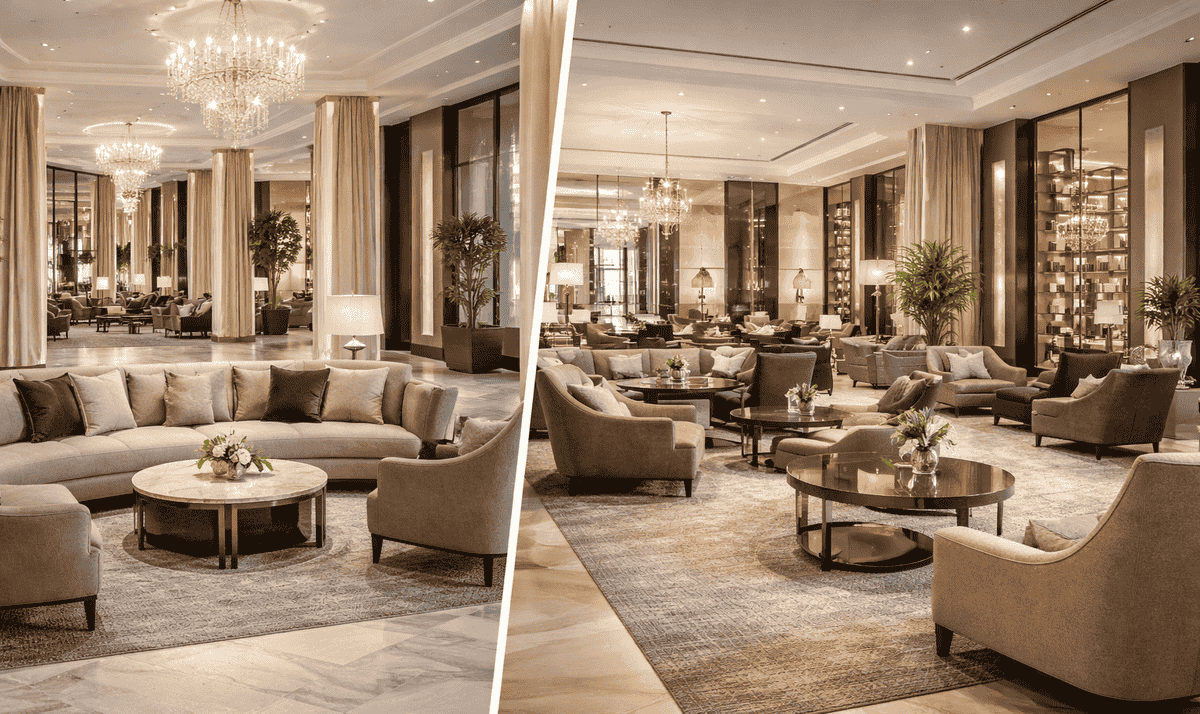
Hotel lobbies have evolved from simple waiting areas into carefully designed social spaces that represent the character of a property. Today, guests expect more than just functional seating—they expect atmosphere, comfort, and design identity the moment they enter the building. For hotel owners across Europe, selecting the right hotel lobby furniture has become essential to creating memorable experiences and reinforcing brand positioning.

Luxury hotels, boutique properties, and premium hospitality spaces are increasingly investing in distinctive luxury hospitality furniture to differentiate themselves in a competitive market. From sculptural seating to nature-inspired layouts, the latest trends show how thoughtful design can elevate both aesthetics and guest engagement.

Below are ten furniture trends shaping the future of luxury hotel lobbies in 2026.


1. Biophilic Lobby Design with Natural Materials

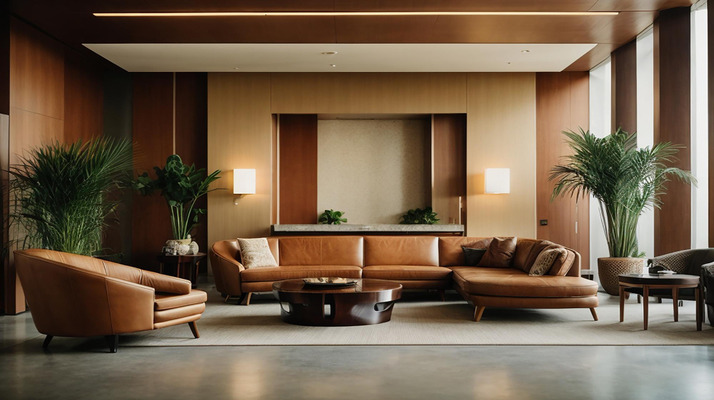
Biophilic design continues to influence hospitality interiors across Europe. Designers are incorporating organic textures, natural woods, and stone elements within hotel lobby furniture to create calming environments.

Large hotel lobby sofas upholstered in earthy fabrics, paired with wooden hotel lobby chairs, help connect interior spaces with nature. This trend not only enhances visual comfort but also improves guest wellbeing by introducing natural elements into the lobby environment.


2. Sculptural Hotel Lobby Sofas as Statement Pieces

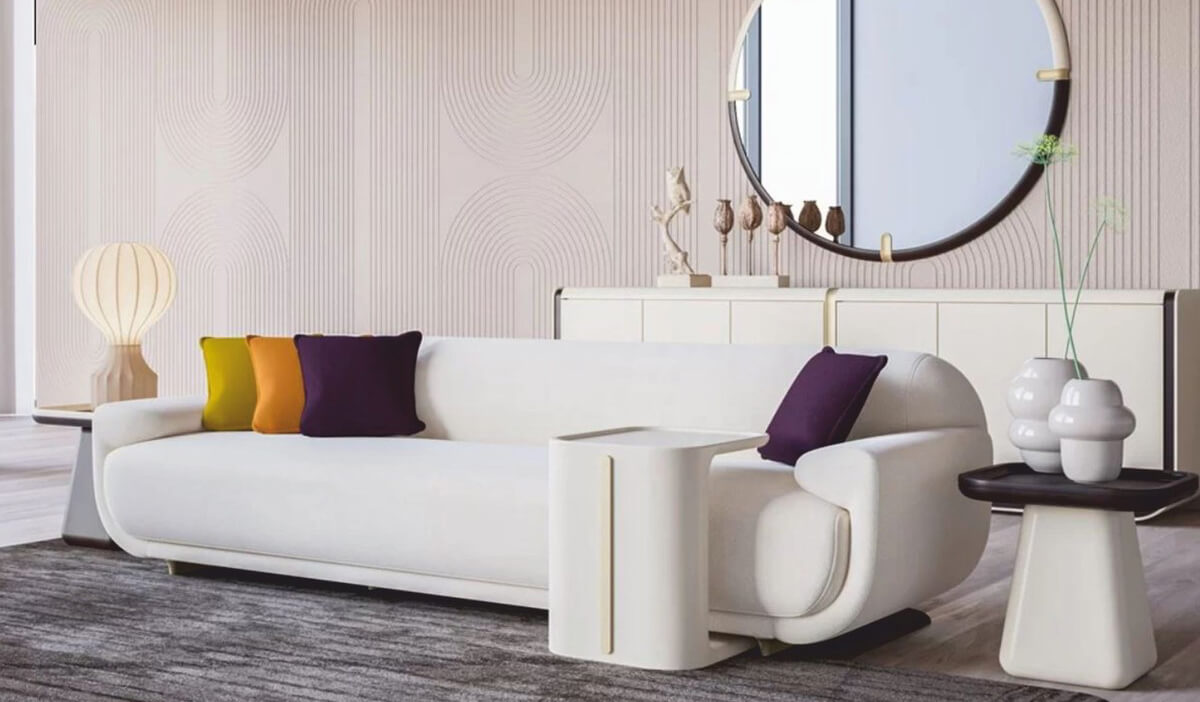
Modern lobbies increasingly revolve around a central seating feature. A striking hotel lobby sofa with curved or modular shapes becomes the focal point of the space.

Luxury hotels often choose oversized sofas crafted with premium materials to emphasise scale and elegance. These statement pieces transform luxury hospitality furniture into functional artwork while encouraging guests to gather, relax, and socialise.


3. Art Déco Revival in Hospitality Furniture

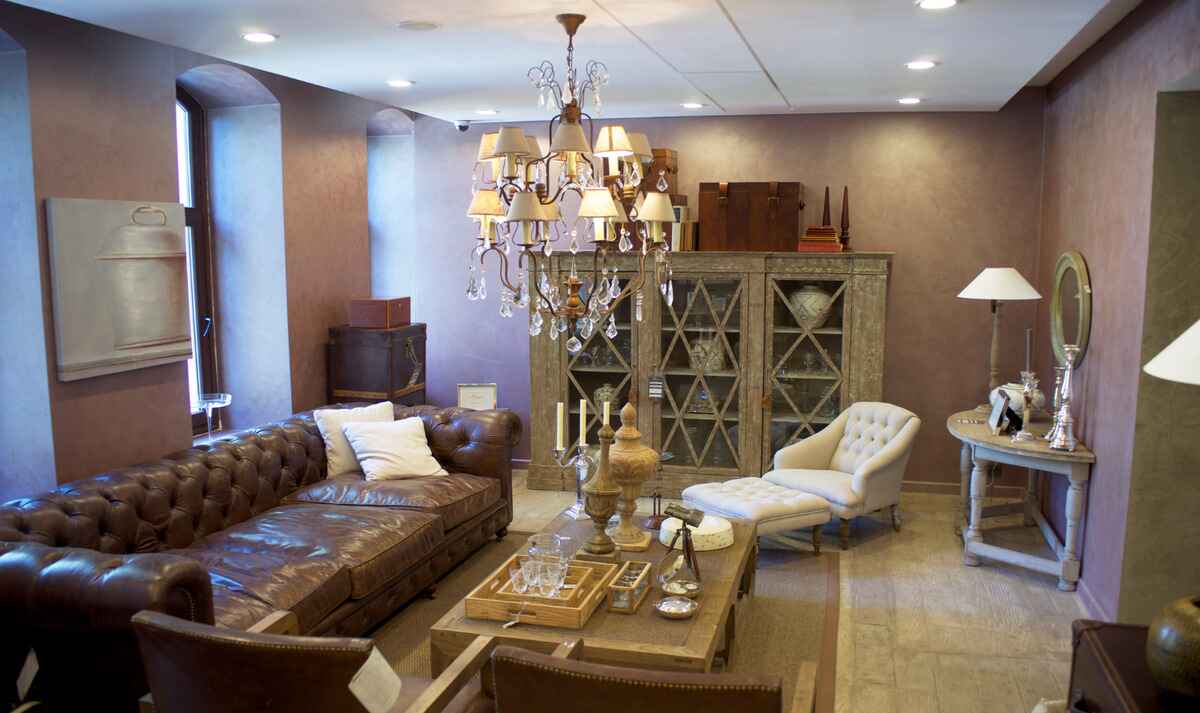
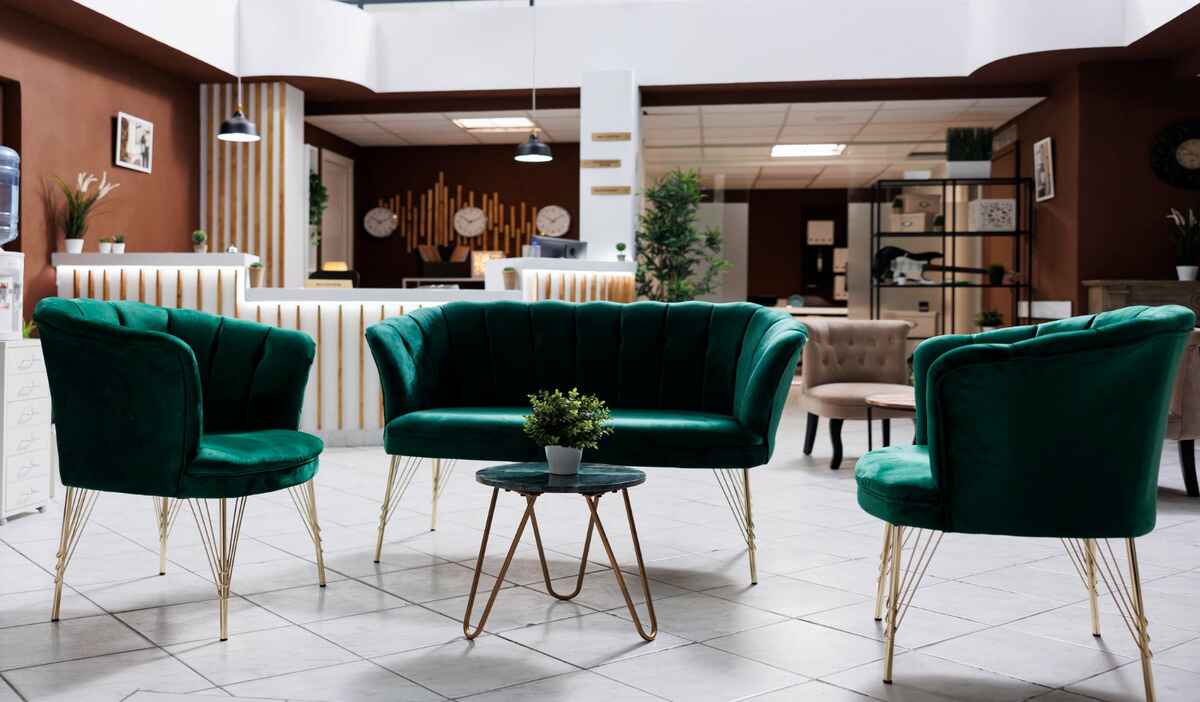
Classic design influences are returning with renewed sophistication. The revival of Art Déco aesthetics brings geometric patterns, metallic accents, and rich materials into hotel lobby furniture collections.

Elegant hotel lobby chairs with velvet upholstery and brass details reflect the timeless glamour associated with European luxury interiors. Paired with a refined hotel reception desk, this style creates a powerful visual impression for arriving guests.


4. Bespoke Craftsmanship for Unique Hotel Identity

Luxury hotels increasingly favour bespoke furniture to distinguish their brand. Custom-designed hotel lobby furniture ensures that every element—from seating to reception counters—aligns with the hotel’s architectural vision.

A tailored hotel reception desk combined with customised hotel lobby sofas reinforces exclusivity. For boutique hotels especially, handcrafted luxury hospitality furniture allows designers to create interiors that guests cannot find elsewhere.


5. Flexible Modular Seating Layouts

Modern hospitality spaces must adapt to changing guest needs. Modular hotel lobby sofas provide flexibility by allowing seating configurations to shift depending on guest flow, events, or seasonal adjustments.

These adaptable seating systems integrate seamlessly with surrounding hotel lobby chairs, making it easier for hotel owners to refresh layouts without replacing entire furniture sets.


6. Warm Minimalism in European Lobby Design

Minimalism continues to influence modern luxury hospitality, but with a warmer approach. Instead of stark interiors, designers now combine clean-lined hotel lobby furniture with soft textures and muted colours.

Subtle tones and comfortable hotel lobby chairs create an inviting atmosphere without overwhelming the architecture. A streamlined hotel reception desk in natural finishes completes the look, offering understated elegance.


7. Integrated Technology in Reception Areas

As hospitality becomes increasingly digital, lobby furniture must support new technologies. Contemporary hotel reception desks now integrate charging stations, concealed lighting, and digital check-in solutions.

When combined with sophisticated hotel lobby furniture, these features enhance operational efficiency while maintaining a seamless luxury aesthetic.


8. Social Seating Zones for Modern Travelers

Lobbies are becoming social environments where guests work, meet, and relax. Designers are creating clusters of hotel lobby sofas and hotel lobby chairs that encourage conversation and collaboration.

These seating zones often include low tables and layered lighting to support both casual meetings and informal gatherings. The result is a lobby that feels both dynamic and welcoming.


9. Sustainable Luxury Furniture Choices

Sustainability is now a priority for many European hospitality brands. Durable materials, responsible sourcing, and long-lasting construction are shaping the design of luxury hospitality furniture.

Hotels are selecting hotel lobby furniture crafted from certified woods, recyclable metals, and environmentally responsible fabrics. This approach supports both environmental goals and long-term operational value.


10. Signature Reception Desks as Architectural Features

The hotel reception desk is evolving into a sculptural architectural element rather than a simple service counter. Designers use bold forms, natural stone, and premium finishes to create reception areas that define the entire lobby.

When combined with complementary hotel lobby sofas and elegant hotel lobby chairs, the reception desk becomes a centerpiece that communicates professionalism and luxury from the first moment guests arrive.


The Future of Luxury Hotel Lobby Furniture

Furniture trends in luxury hospitality are moving toward a balance of design innovation, guest comfort, and operational practicality. Carefully selected hotel lobby furniture not only enhances visual appeal but also supports the functional needs of modern travelers.

For hotel owners and designers, investing in high-quality luxury hospitality furniture ensures that lobbies remain welcoming, adaptable, and memorable. Whether through sculptural hotel lobby sofas, elegant hotel lobby chairs, or striking hotel reception desks, thoughtful furniture choices continue to redefine luxury hospitality across Europe.
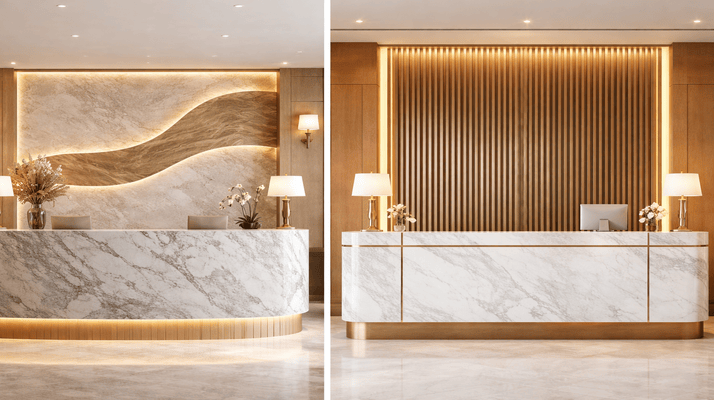
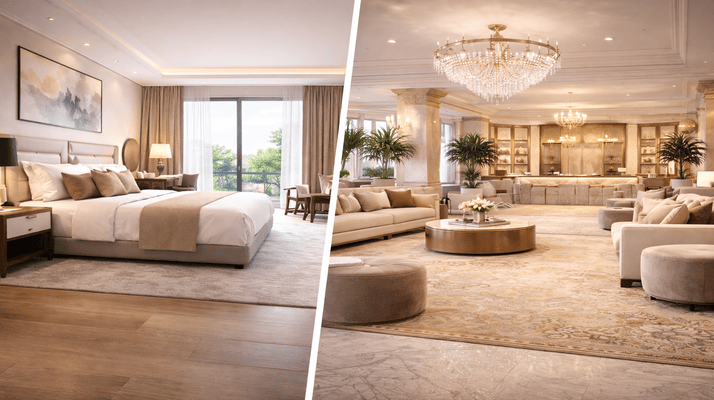
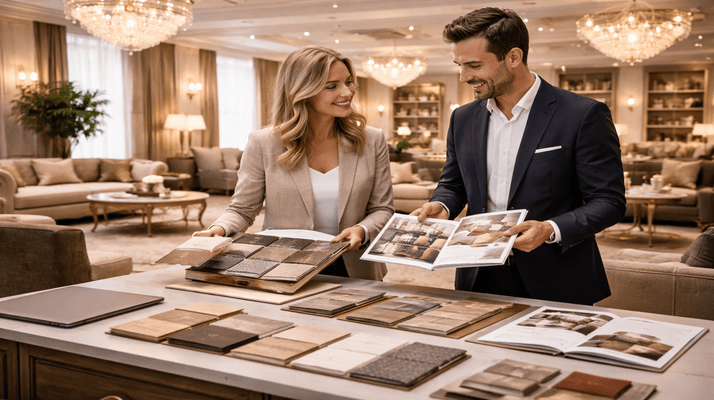
Custom vs. Ready-Made: Which Luxury Hotel Reception Desk is Right for Your Property?

The reception desk is more than a checkpoint; it is the centerpiece of your lobby, the handshake that introduces guests to your brand. For hotel owners, choosing between a custom creation and a ready-made model is a pivotal decision that impacts aesthetics, operations, and budget for years. This guide provides a clear framework to determine whether a bespoke luxury hotel reception desk or a pre-designed alternative is the optimal investment for your European property.

The Case for a Custom Made Luxury Hotel Reception Desk

Commissioning a bespoke piece is about rejecting compromise. It is a commitment to creating a functional work of art that perfectly encapsulates your vision.

Unrivalled Brand Authenticity: A custom made luxury hotel reception desk is a physical manifestation of your hotel’s unique narrative. Whether your property is a restored historic château or a minimalist urban boutique, a custom design allows you to control every line, curve, and material to tell your specific story. This level of authenticity is immediately perceived by guests and sets the tone for a genuine luxury experience.

Perfect Spatial and Functional Integration: No two lobbies are identical. A ready-made desk may fit awkwardly, disrupting flow or limiting service. With custom hotel furniture, you dictate the dimensions to perfectly suit your space. More importantly, you can integrate technology and ergonomics seamlessly—concealing wiring, positioning check-in terminals for ideal staff-guest interaction, and incorporating secure storage exactly where needed.

Material Excellence and Artisanship: When you invest in a bespoke piece, you are also investing in superior craftsmanship. You can select specific, high-grade materials—a particular book-matched marble, sustainably sourced European oak, or hand-worked brass. The result is a piece with a presence and quality that mass-produced items simply cannot replicate, often becoming a talking point featured in guest photography and social media.

The Case for a Ready-Made Hotel Reception Desk

Opting for a pre-designed desk is not a concession; it is a strategic choice that offers distinct advantages, particularly for certain project types.

Cost and Timeline Predictability: The most immediate benefits are often budgetary and logistical. A ready-made luxury hotel reception desk has a fixed price and a significantly shorter lead time. For renovations with tight deadlines or projects with strictly defined budgets, this predictability is invaluable. You can select a finished piece with known specifications and a guaranteed delivery schedule.

Proven Design and Reliability: Reputable suppliers offer ready-made desks with designs that are already optimized for hospitality use. They have been tested for durability and often incorporate industry-standard dimensions and workflows. For a hotelier who values a known quantity and wants to avoid the unknowns of a prototyping phase, a ready-made desk from a curated collection can be a safe, stylish, and highly functional choice.

Making the Final Decision: A Framework

To decide, ask yourself three critical questions:

  1. What is Your Brand Imperative? Is your brand identity so specific that an existing piece will feel like a compromise? If your concept relies on a singular design element, custom is the answer.
  2. What is Your True Timeline? Do you have the 12-20 weeks typically required for design, prototyping, and handcrafted production? If you need a desk next month, a high-quality ready-made option is your only viable path.
  3. Where Does the Desk Sit in Your Priorities? Is the reception desk the signature piece of your public space, or one important component among many? If it is the star, invest in custom. If it needs to be excellent but blend seamlessly, a ready-made piece can excel.

Ultimately, both paths can lead to an exceptional lobby. A ready-made hotel reception furniture piece offers efficiency and proven performance. However, for the hotelier seeking a singular statement that perfectly aligns with their vision and elevates their brand to its highest potential, the bespoke journey of a custom made luxury hotel reception desk is an unparalleled investment. At Hotel-Furniture.store, our expertise lies in guiding you through this decision and bringing that unique vision to life.


Is Investing More in Hotel Room Furniture Better Than Lobby Furniture?

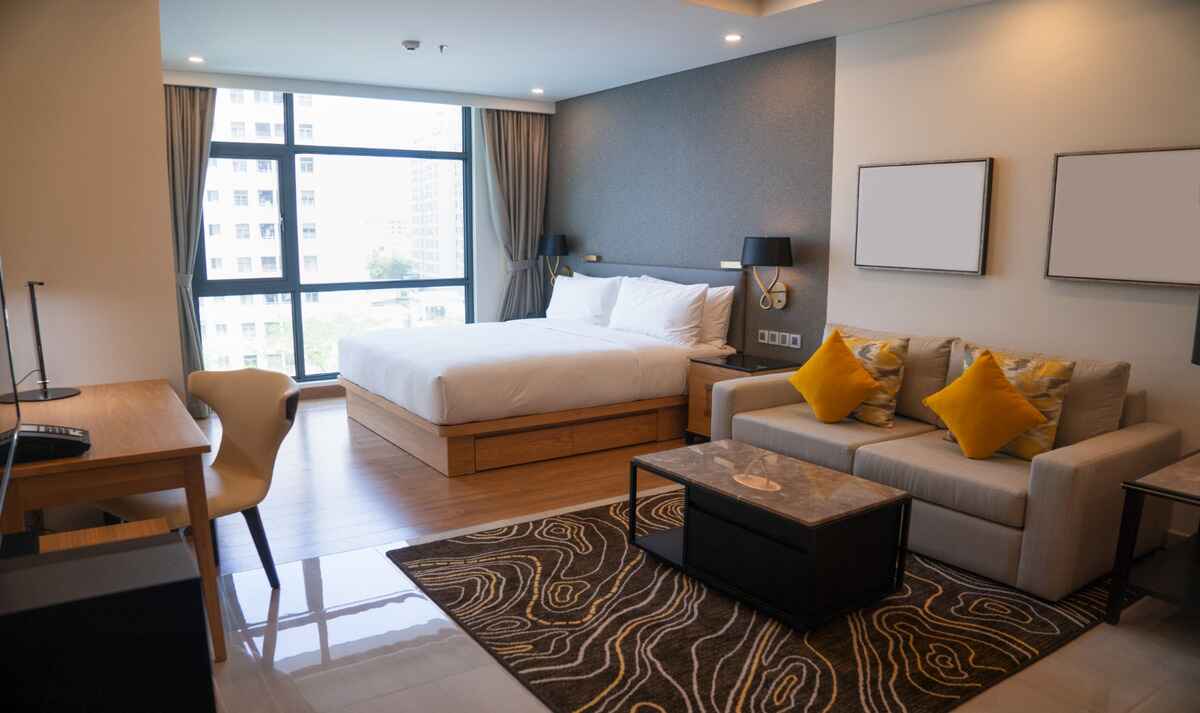
Budget allocation is one of the most strategic decisions a hotel owner must make. When renovating or developing a property, the question often arises: should more investment go into Hotel Room Furniture or into hotel lobby furniture? Both spaces influence perception, yet they serve very different purposes within luxury hospitality.

Understanding how guests interact with rooms versus lobbies is essential for making a financially sound and brand-aligned decision. For luxury, boutique, and premium hotels across Europe, furniture investment must balance comfort, visibility, and long-term return.


Guest Time Spent: Private Comfort vs Public Impression

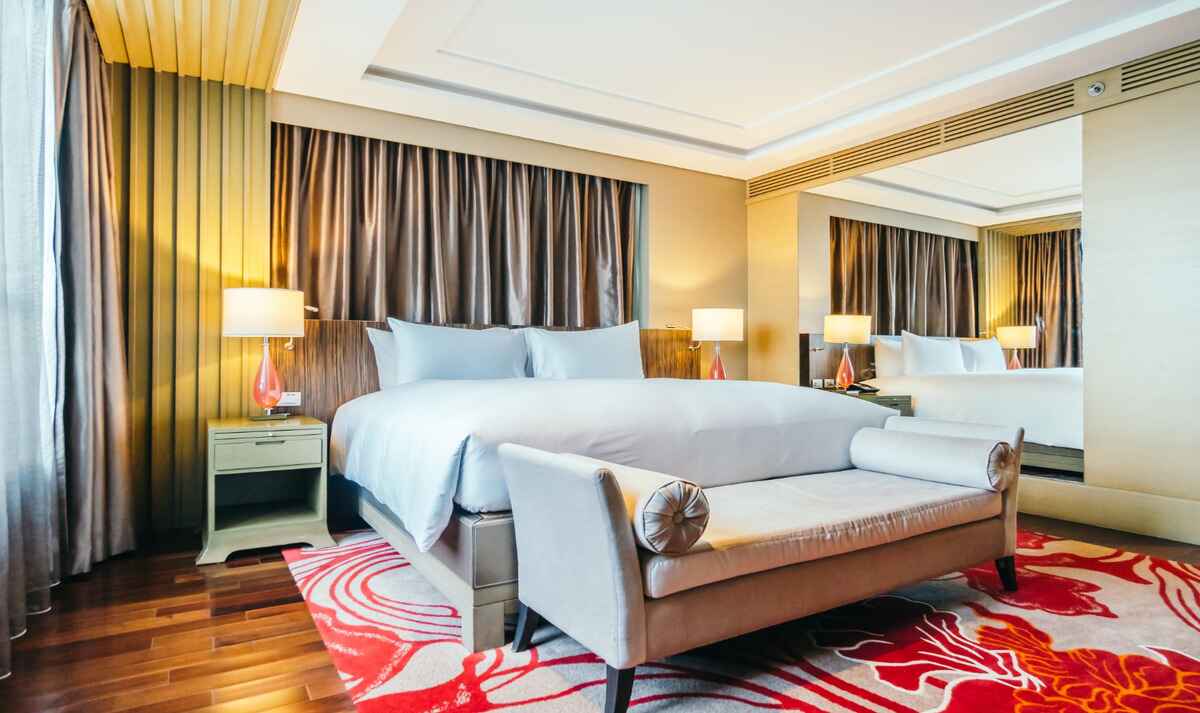
Guests spend significantly more time inside their rooms than in the lobby. Sleep quality, storage convenience, seating comfort, and workspace functionality all depend on well-designed Hotel Room Furniture. If the room fails to meet expectations, even the most impressive entrance experience cannot compensate.

On the other hand, hotel lobby furniture shapes the first impression. It is highly visible, photographed frequently, and often associated with brand identity. A striking lobby may attract attention online, but the room determines whether guests leave satisfied.

For hotel owners, this difference between duration and visibility is crucial. Rooms influence comfort and reviews; lobbies influence perception and marketing impact.


ROI Perspective: Where Does the Money Work Harder?

From a financial standpoint, Hotel Room Furniture directly affects guest satisfaction scores and repeat bookings. Comfortable beds, durable wardrobes, and functional desks enhance everyday experience. Positive room comfort often appears in reviews, strengthening occupancy rates.

Investing in high-quality luxury hospitality furniture for guest rooms also reduces maintenance costs. Durable materials withstand daily use, lowering replacement frequency and protecting long-term profitability.

Conversely, hotel lobby furniture delivers marketing value. A visually impressive lobby increases social media exposure and enhances perceived luxury. However, if rooms lack quality, overall ratings may decline despite lobby appeal.

In most luxury hospitality environments, rooms provide stronger measurable ROI due to direct guest interaction.


Brand Impact: Visibility vs Intimacy

The lobby acts as a brand showcase. Carefully curated hotel lobby furniture communicates sophistication and sets the tone for the property. It is where guests form initial emotional impressions.

Yet true brand loyalty develops in private spaces. Premium Hotel Room Furniture defines how guests sleep, relax, and work. Intimate comfort builds trust and emotional connection.

Luxury hotel brands that prioritise room comfort often achieve higher guest retention because the private experience exceeds expectations. While the lobby attracts, the room convinces.


Boutique Hotels: A Different Balance

Boutique hotels operate differently from large-scale luxury properties. Their lobbies are often smaller, sometimes integrated with lounges or dining areas. In such cases, hotel lobby furniture plays a stronger role in shaping atmosphere and storytelling.

However, boutique guests still evaluate comfort carefully. High-quality Hotel Room Furniture remains essential, particularly in compact urban properties where space efficiency matters.

For boutique hotels, a balanced approach works best—investing strategically in both visible lobby elements and durable room essentials.


Durability and Operational Efficiency

Furniture in guest rooms experiences consistent daily usage. Beds, side tables, wardrobes, and desks endure repetitive wear. Investing in robust Hotel Room Furniture reduces operational disruptions and long-term repair expenses.

Lobby pieces, while visible, may experience uneven usage. Certain seating areas attract higher traffic, requiring durable luxury hospitality furniture solutions to maintain presentation standards.

From an operational perspective, rooms demand higher durability standards due to continuous use patterns.


Guest Reviews and Online Perception

Online reviews frequently mention comfort, sleep quality, and room functionality. These factors depend almost entirely on Hotel Room Furniture quality. A well-designed room can generate strong loyalty and positive feedback even if the lobby design is understated.

However, high-end hotel lobby furniture contributes to visual storytelling. Many guests photograph lobby spaces, influencing digital presence. Luxury properties in Europe often benefit from lobby aesthetics that align with architectural style.

The ideal strategy recognises that lobby investment supports visibility, while room investment supports satisfaction.


Strategic Allocation: What Should Come First?

For new developments or major renovations, prioritising Hotel Room Furniture typically yields stronger long-term returns. Ensuring every guest experiences superior comfort builds sustainable reputation.

Once room standards are secured, allocating funds to elevate hotel lobby furniture enhances brand prestige and public perception.

Premium luxury hospitality furniture solutions should never be chosen purely for aesthetics. Performance, comfort, and longevity must guide decision-making.


Conclusion: Comfort Builds Loyalty, Visibility Builds Attraction

Both spaces matter. Lobby investment enhances visual appeal and brand introduction, while Hotel Room Furniture defines comfort and retention. For hotel owners seeking measurable ROI, room furniture generally offers greater long-term financial value.

That said, successful luxury hotels across Europe balance the two. Prioritise durable, high-quality luxury hospitality furniture in guest rooms first, then elevate the lobby to strengthen brand presence.

In hospitality, impressions attract guests—but comfort keeps them coming back.

How to Select the Right Hospitality Furniture Supplier in Europe

Selecting a supplier is one of the most critical strategic decisions a hotel owner will make. Furniture defines comfort, durability, operational efficiency, and brand perception for years to come. Choosing the right partner for luxury hotel furniture is not simply about price or design preference—it is about reliability, craftsmanship, and long-term performance.

Across Europe’s competitive hospitality landscape, hotel owners must carefully evaluate hospitality furniture suppliers to ensure their investment supports both guest satisfaction and financial sustainability. The right supplier becomes a long-term partner in maintaining premium standards.


Understanding the Importance of Supplier Selection

Furniture is a high-impact investment. Every bed, sofa, chair, and table contributes to daily guest experience. Poor supplier selection can result in delays, inconsistent quality, and costly replacements.

Experienced European hotel furniture suppliers understand:

  • Hospitality-grade durability requirements

  • Safety and compliance standards within the EU

  • Logistics and delivery coordination for large-scale projects

Working with reputable hospitality furniture suppliers ensures that your property maintains consistent quality across all rooms and public areas.


Evaluate Experience in Luxury Hospitality Projects

Not all suppliers specialise in high-end hospitality. When sourcing luxury hospitality furniture, it is essential to review a supplier’s portfolio and past projects.

Look for evidence of:

  • Work with luxury or boutique hotels

  • Large-scale installations across Europe

  • Customisation capabilities for premium environments

A supplier experienced in luxury hotel furniture understands the balance between aesthetics and heavy-duty performance required in high-traffic settings.


Assess Quality Benchmarks and Craftsmanship

Luxury properties demand more than visual appeal. Materials, internal construction, upholstery standards, and finishing details determine long-term durability.

When evaluating European hotel furniture suppliers, ask about:

  • Frame construction (solid wood or reinforced metal)

  • Upholstery durability ratings

  • Fire-retardant and safety certifications

  • Warranty policies

High-quality luxury hospitality furniture should maintain structural integrity and visual refinement even under continuous use.


Customisation and Brand Alignment

Luxury hotels often require bespoke elements that reflect brand identity. The right hospitality furniture suppliers should offer customisation without compromising production timelines.

Custom capabilities may include:

  • Tailored dimensions for specific room layouts

  • Signature finishes or branded colour palettes

  • Exclusive designs for boutique properties

Reliable European hotel furniture suppliers combine design flexibility with technical precision, ensuring each piece aligns with the hotel’s architectural vision.


Production Capacity and Lead Times

Timelines are crucial in hospitality projects. Delays can disrupt opening schedules and marketing campaigns. Before finalising a contract, assess the supplier’s production capacity and delivery efficiency.

Professional hospitality furniture suppliers should provide:

  • Clear production schedules

  • Transparent communication

  • Realistic lead times based on order scale

A supplier experienced in delivering luxury hotel furniture across Europe understands cross-border logistics and compliance requirements.


Long-Term Reliability and After-Sales Support

Furniture is a long-term asset. Reliable after-sales service differentiates exceptional suppliers from average vendors. Maintenance guidance, replacement parts, and responsive communication are vital.

When selecting European hotel furniture suppliers, consider:

  • Availability of spare components

  • Repair and refurbishment services

  • Structured warranty coverage

Durable luxury hospitality furniture supported by dependable service protects operational continuity and brand standards.


Sustainability and Ethical Standards

Sustainability is increasingly important for European luxury hotels. Guests expect environmentally responsible practices, and regulatory standards continue to evolve.

Reputable hospitality furniture suppliers should demonstrate:

  • Sustainable sourcing of materials

  • Responsible manufacturing processes

  • Compliance with EU environmental standards

High-quality luxury hotel furniture that prioritises longevity and responsible production aligns with modern luxury values.


Cost vs Value: A Strategic Perspective

Price comparisons can be misleading. Lower initial costs often lead to higher lifetime expenses due to repairs and replacements. Investing in premium luxury hospitality furniture provides measurable long-term value.

Consider:

  • Expected lifespan of materials

  • Maintenance frequency

  • Impact on guest satisfaction and reviews

Well-crafted luxury hotel furniture strengthens brand perception, supports positive feedback, and reduces long-term refurbishment costs.


Red Flags to Avoid

When reviewing potential hospitality furniture suppliers, be cautious of:

  • Unclear material specifications

  • Limited hospitality project experience

  • Unrealistically short lead times

  • Lack of EU compliance documentation

Trustworthy European hotel furniture suppliers operate transparently and provide detailed product documentation.


Building a Long-Term Partnership

The most successful luxury hotels treat suppliers as strategic partners rather than transactional vendors. Consistent collaboration ensures future renovations and expansions remain aligned with established standards.

By working with experienced hospitality furniture suppliers, hotel owners can maintain design continuity, protect investment value, and reinforce their property’s premium identity.


Conclusion: Making the Right Supplier Decision

Choosing the right partner for luxury hotel furniture in Europe requires thorough research, quality assessment, and long-term thinking. A dependable supplier delivers more than products—they provide stability, craftsmanship, and reliability.

For luxury, boutique, and premium hotels, investing in trusted European hotel furniture suppliers ensures that every guest interaction reflects excellence. When luxury hospitality furniture meets rigorous quality standards, it supports both brand integrity and operational success.

Hotel Lobby Sofa vs Lounge Seating: What Works Best for Luxury Hotels?

The hotel lobby is no longer a space guests simply pass through. It has evolved into a social hub, waiting lounge, meeting point, and first emotional connection with the brand. For hotel owners across Europe, choosing between a hotel lobby sofa and loose lounge seating is a strategic decision that directly affects guest flow, comfort, and perceived luxury.

Both options sit at the core of modern hotel lobby furniture planning, yet they serve different purposes. Understanding how each performs within a luxury hospitality environment helps owners make informed, brand-aligned choices.


The Role of Seating in Luxury Lobby Design

Seating defines how guests interact with a lobby. It controls movement, dwell time, and even social behaviour. Well-planned luxury hotel furniture encourages guests to relax, wait comfortably, or engage in conversation without feeling crowded or disconnected.

From a design perspective, seating must balance aesthetics with function. A visually impressive lobby that lacks comfortable seating quickly loses its appeal, while an overfurnished space can feel cluttered and restrictive.


Hotel Lobby Sofa: Structure, Comfort, and Visual Impact

A hotel lobby sofa creates a strong sense of structure within the space. Sofas naturally anchor seating zones, making large lobbies feel organised and intentional. In luxury hotels, sofas often become the visual centrepiece of the lobby.

Key advantages of a hotel lobby sofa include:

  • Clear definition of seating areas
  • Consistent comfort across multiple guests
  • Strong visual presence that enhances perceived luxury

From a guest perspective, a well-designed hotel lobby sofa communicates stability and refinement. It encourages longer stays, casual meetings, and relaxed waiting—particularly important for premium and boutique hotels where atmosphere matters.


Lounge Seating: Flexibility and Spatial Freedom

Loose lounge seating typically includes individual armchairs, accent chairs, and side tables. This approach offers flexibility, especially in lobbies that serve multiple functions throughout the day.

Benefits of lounge seating include:

  • Easier reconfiguration for events or seasonal changes
  • Greater sense of openness in smaller lobbies
  • More personal seating experiences for individual guests

When integrated thoughtfully, lounge seating complements hotel lobby furniture layouts that prioritise movement and adaptability. However, without careful planning, it can lack cohesion and feel visually fragmented in larger luxury spaces.


Space Planning: Sofa Zones vs Scattered Seating

Space planning is where the real comparison begins. A hotel lobby sofa works best in medium to large lobbies where defined zones enhance flow. Sofas naturally guide guests, reducing confusion and creating intuitive circulation paths.

Loose lounge seating suits:

  • Compact boutique hotel lobbies
  • Multi-purpose spaces requiring flexibility
  • Informal, lifestyle-oriented hotel concepts

For luxury hotels, a hybrid approach is often the most effective—using a central hotel lobby sofa as an anchor, supported by complementary lounge chairs to soften transitions.


Guest Flow and Movement Efficiency

Guest flow is a critical operational factor. Poor seating placement can obstruct pathways, cause congestion, or create awkward circulation. A strategically positioned hotel lobby sofa helps channel movement while offering clear resting points.

Lounge seating, when scattered without intention, may disrupt flow. In contrast, structured luxury hotel furniture layouts improve navigation and maintain visual calm—an essential quality in high-end hospitality environments.


Perceived Luxury: Visual Weight vs Personal Comfort

Perceived luxury is shaped by scale, proportion, and material quality. A large, well-crafted hotel lobby sofa instantly signals investment and permanence. It reflects confidence and brand maturity, particularly in premium hotels.

Lounge seating, while comfortable, relies heavily on design consistency to achieve the same effect. Mismatched or lightweight pieces can dilute the luxury message if not curated carefully.

For European luxury hotels, guests often associate sofas with grandeur and reliability, while lounge chairs feel more casual and residential.


Boutique Hotels: Choosing the Right Balance

Boutique hotels face a unique challenge. Their lobbies are often smaller, yet expectations remain high. In these spaces, a compact hotel lobby sofa can provide structure without overwhelming the room.

Pairing a sofa with select lounge seating allows boutique hotels to:

  • Maintain intimacy
  • Offer varied seating experiences
  • Preserve visual harmony

This balance ensures hotel lobby furniture supports both brand storytelling and guest comfort.


Long-Term Value and Maintenance Considerations

From an ownership perspective, durability and maintenance matter. A high-quality hotel lobby sofa typically offers better long-term value due to uniform wear and easier upholstery management.

Loose lounge seating may require more frequent replacement due to uneven usage. Investing in durable luxury hotel furniture ensures visual consistency and reduces operational costs over time.


Conclusion: Which Seating Works Best?

There is no universal answer—but there is a strategic one. A hotel lobby sofa excels at creating structure, comfort, and a strong luxury impression. Lounge seating offers flexibility and intimacy when used intentionally.

For luxury, boutique, and premium hotels across Europe, the most effective solution often combines both. Anchoring the lobby with a statement hotel lobby sofa, supported by carefully selected lounge seating, delivers balance, efficiency, and refined elegance.

When hotel lobby furniture aligns with space planning and brand identity, the lobby becomes more than an entrance—it becomes an experience.

Why Furniture Quality Matters More Than Décor in Luxury Hotels

First impressions may be shaped by lighting, colours, and decorative accents, but long-term guest satisfaction is built on what guests actually use. Beds, seating, tables, and storage pieces define how a hotel feels day after day. For hotel owners across Europe, understanding the difference between visual décor and structural quality is essential. Luxury hotel furniture is not a styling accessory—it is a performance asset that directly impacts return on investment, guest comfort, and brand credibility.

While décor trends change rapidly, well-crafted hotel furniture continues to deliver value for years. This distinction is especially critical for luxury hotels, boutique properties, and premium hospitality spaces where expectations are uncompromising.


Décor Attracts Attention, Furniture Sustains Experience

Décor elements are often selected for visual appeal: wall finishes, artwork, decorative lighting, and accessories. These features enhance atmosphere but rarely interact with guests in a meaningful way. Furniture, on the other hand, supports every core guest activity—sleeping, sitting, dining, working, and relaxing.

High-quality luxury hotel furniture provides:

  • Physical comfort throughout the stay

  • Functional reliability under constant use

  • Visual consistency that reinforces brand standards

Guests may admire décor briefly, but they remember comfort. When furniture performs well, décor becomes a supporting layer rather than the focus.


The True Cost of Poor-Quality Hotel Furniture

Low-quality hotel furniture may appear cost-effective at the time of purchase, but it introduces hidden expenses over time. Frequent repairs, early replacement, and guest complaints quickly erode initial savings.

Common issues include:

  • Sagging seating and mattresses

  • Surface damage in high-traffic areas

  • Structural instability affecting safety

By contrast, high-end hotel furniture is engineered for hospitality-grade use. It maintains comfort, appearance, and structural integrity even under daily operational stress.


Furniture Quality and Long-Term ROI

Luxury hotels operate on reputation and consistency. Replacing furniture every few years disrupts operations and weakens brand perception. Investing in durable luxury hotel furniture delivers measurable financial benefits over time.

Long-term ROI advantages include:

  • Reduced refurbishment frequency

  • Lower maintenance and replacement costs

  • Stable visual standards across seasons

For hotel owners, quality furniture transforms capital expenditure into long-term operational efficiency.


Guest Satisfaction Is Built on Comfort and Reliability

Guest reviews often reflect emotional responses rather than technical details. However, discomfort, instability, or wear are quickly noticed—even if not explicitly named. Poor furniture quality often appears in reviews as “uncomfortable,” “tired,” or “not worth the price.”

Well-made luxury hotel furniture supports:

  • Better sleep quality

  • Relaxed public spaces

  • Confidence in the hotel’s overall standards

Consistent comfort leads to stronger reviews, repeat bookings, and increased loyalty—key performance drivers in Europe’s competitive luxury hospitality market.


High-End Furniture Protects Brand Positioning

Luxury brands are built on trust. Guests expect premium hotels to feel refined, solid, and well-maintained at every touchpoint. High-end hotel furniture reinforces this perception through craftsmanship, materials, and finish quality.

When furniture shows visible wear too soon, it undermines the brand message—regardless of décor quality. Durable materials, strong frames, and professional upholstery ensure that hotel furniture continues to represent the brand accurately over time.


Durability Matters More Than Trends

Décor trends shift quickly, influenced by social media and seasonal design movements. Furniture quality, however, must transcend trends. Durable luxury hotel furniture is designed with timeless proportions and neutral foundations that adapt to changing décor styles.

This approach allows hotels to:

  • Refresh décor without replacing furniture

  • Maintain relevance without full renovations

  • Protect long-term design investments

Quality furniture becomes a stable foundation upon which décor can evolve.


Boutique Hotels and the Importance of Substance

Boutique hotels rely heavily on atmosphere, intimacy, and storytelling. Guests choose these properties for character and authenticity, not mass-market uniformity. In this context, luxury hotel furniture plays a crucial role.

Poor-quality furniture disrupts the experience quickly in smaller spaces where guests are closer to details. By contrast, well-crafted hotel furniture enhances the boutique narrative, offering both comfort and credibility.


Operational Efficiency and Staff Experience

Furniture quality affects more than guests—it impacts staff operations as well. Sturdy, well-designed hotel furniture simplifies housekeeping, reduces damage during cleaning, and lowers safety risks.

Operational benefits include:

  • Faster room turnover

  • Fewer maintenance issues

  • Improved staff efficiency and morale

These efficiencies contribute indirectly to guest satisfaction by supporting smoother daily operations.


Sustainability Through Longevity

European luxury hospitality increasingly values sustainability. Long-lasting high-end hotel furniture supports sustainable practices by reducing waste and resource consumption.

Choosing durable luxury hotel furniture aligns with:

  • Reduced material turnover

  • Lower environmental impact over time

  • Responsible luxury positioning

Sustainability in luxury hotels is no longer optional—it is an expectation, especially among EU travelers.


Décor Can Change, Quality Should Not

Décor refreshes are part of brand evolution. Furniture replacement should not be. Hotels that prioritise quality over surface appeal create interiors that age gracefully rather than deteriorate visibly.

Strong luxury hotel furniture allows owners to adjust décor layers—textiles, lighting, accessories—without disrupting core infrastructure. This flexibility is essential for long-term success in premium hospitality.


Conclusion: Furniture Quality as a Strategic Decision

Visual appeal may attract attention, but quality sustains reputation. For hotel owners, luxury hotel furniture is a strategic investment that influences guest satisfaction, operational efficiency, and financial performance. While décor enhances atmosphere, furniture defines experience.

By choosing high-end hotel furniture built for durability and comfort, luxury hotels and boutique properties across Europe protect their brand, maximise ROI, and deliver the level of excellence guests expect.

Modern vs Classic Hotel Furniture: What Suits Luxury Properties Best

Every luxury hotel tells a story the moment a guest walks inside. That story is expressed not only through architecture and service, but through furniture choices that define atmosphere, comfort, and identity. For hotel owners and designers across Europe, selecting between modern hotel furniture and classic European hotel furniture is a strategic decision—one that directly shapes brand perception and guest expectations.

Both styles hold a strong place in luxury hospitality. The challenge lies in understanding which approach aligns best with the hotel’s positioning, audience, and long-term vision.


Understanding Style as a Brand Language

Furniture functions as a visual language in hospitality. Guests may not consciously analyze design choices, but they immediately feel their impact. Well-selected luxury hotel furniture reinforces whether a property feels contemporary and forward-thinking or timeless and heritage-driven.

From boutique hotels to premium city properties, aligning hotel furniture style with brand identity ensures coherence across every guest touchpoint—from lobby to bedroom.


The Appeal of Modern Hotel Furniture in Luxury Settings

Modern design has become increasingly popular in European luxury hotels, especially in urban destinations and lifestyle-driven properties. Modern hotel furniture emphasizes clean lines, balanced proportions, and understated elegance.

Key characteristics include:

  • Minimalist silhouettes with refined detailing
  • Neutral color palettes enhanced by texture
  • Functional forms designed for contemporary living

Modern luxury hotel furniture appeals strongly to younger luxury travelers and design-conscious guests who value clarity, comfort, and visual calm. It also photographs exceptionally well, supporting social media visibility and digital branding.

For boutique hotels, modern furniture helps create a fresh, curated environment that feels exclusive without being formal.


The Enduring Prestige of Classic European Hotel Furniture

Classic design remains deeply rooted in European luxury culture. Classic European hotel furniture draws inspiration from heritage craftsmanship, symmetry, and rich materials that convey permanence and tradition.

This style is defined by:

  • Ornamental detailing and elegant profiles
  • Warm finishes and tactile fabrics
  • A sense of grandeur balanced by comfort

Luxury hotels housed in historic buildings or cultural landmarks often favor classic hotel furniture to honor architectural context. Guests associate these interiors with authenticity, refinement, and timeless quality—values that continue to resonate strongly in the European market.


Guest Expectations: Modern Comfort vs Timeless Elegance

Guest expectations vary based on location, hotel category, and brand promise. A design-led boutique hotel in Berlin may benefit from sleek modern hotel furniture, while a grand hotel in Vienna may feel more authentic with classic European hotel furniture.

Both styles can deliver luxury when executed correctly. The difference lies in emotional response:

  • Modern interiors feel calm, efficient, and contemporary
  • Classic interiors feel reassuring, indulgent, and storied

The most successful luxury hotels understand their audience and use luxury hotel furniture to meet emotional as well as functional needs.


Blending Modern and Classic for Boutique Luxury

Many European boutique hotels now adopt a hybrid approach. Carefully blending modern comfort with classic references allows properties to feel distinctive rather than formulaic.

Examples include:

  • Modern seating paired with classic architectural details
  • Contemporary layouts using traditionally inspired materials
  • Minimalist forms finished with heritage textures

This balanced approach ensures hotel furniture feels relevant today while remaining timeless tomorrow. It also allows hotels to stand out in competitive luxury markets.


Durability, Maintenance, and Long-Term Value

Beyond aesthetics, furniture decisions must consider longevity. High-quality luxury hotel furniture, whether modern or classic, should withstand constant use without losing its visual integrity.

Modern furniture perceived as trend-driven must be chosen carefully to avoid quick visual fatigue. Classic furniture, while timeless, requires skilled craftsmanship to avoid feeling dated. In both cases, investing in premium materials ensures long-term value and consistent guest satisfaction.


Choosing the Right Style for Your Luxury Property

Selecting between modern hotel furniture and classic European hotel furniture starts with clarity on brand identity. Hotel owners should consider:

  • Target guest profile and cultural expectations
  • Architectural context of the property
  • Desired emotional response at first impression

When hotel furniture aligns seamlessly with these factors, it strengthens brand recognition and guest loyalty.


Conclusion: Style as a Strategic Luxury Decision

Modern and classic styles are not competing choices but distinct expressions of luxury. The right luxury hotel furniture amplifies a hotel’s personality, supports guest comfort, and reinforces brand values.

For luxury hotels, boutique properties, and premium hospitality spaces across Europe, success lies in intentional design. Whether embracing the clean sophistication of modern interiors or the enduring elegance of classic European design, furniture should always serve as a confident extension of the hotel’s identity.

How Luxury Hotel Furniture Influences Guest Reviews & Loyalty

First impressions may open the door, but lasting impressions decide whether guests return—or recommend a hotel to others. Across Europe’s luxury hospitality market, furniture has become a silent driver of online reviews, repeat bookings, and long-term brand loyalty. Every chair, bed, and table contributes to how guests feel, rest, and remember their stay. This is where luxury hotel furniture moves from design choice to business strategy.

For luxury shoppers, interior designers, and hotel owners, understanding this connection is essential in a review-driven hospitality landscape.


Furniture as the Foundation of Guest Experience

Guests may comment on service and location, but their experience is lived through physical spaces. Comfort, ease of use, and visual harmony shape daily interactions within the hotel. Well-designed premium hotel interiors create an environment where guests feel cared for without being consciously aware of why.

High-quality luxury hotel furniture supports:

  • Physical comfort throughout long stays 
  • Emotional ease that reduces travel fatigue 
  • A sense of refinement expected in premium hotels 

When furniture fails to meet expectations, it often appears indirectly in reviews through phrases like “uncomfortable,” “dated,” or “not worth the price.”


How Furniture Choices Influence Online Reviews

Online reviews reflect moments—sleep quality, lobby comfort, dining experience. Furniture is present in all of them. Guests may not mention furniture explicitly, yet it shapes their satisfaction behind the scenes.

Positive reviews often stem from:

  • Beds and seating that support real rest 
  • Quiet confidence in well-crafted interiors 
  • Visual consistency across rooms and public areas 

Hotels that invest in guest experience luxury hotel furniture see fewer negative comments related to discomfort, wear, or mismatch between branding and reality.


Premium Interiors Encourage Longer Stays and Repeat Visits

Luxury travelers in Europe value familiarity combined with excellence. When guests feel comfortable and visually connected to a space, they are more likely to return. Premium hotel interiors built around refined furniture create an emotional anchor that guests recognize and trust.

Repeat bookings are often driven by:

  • A sense of “feeling at home” within a luxury setting 
  • Consistency between first visit and return stay 
  • Furniture that maintains comfort and appearance over time 

This consistency reinforces the hotel’s promise, turning first-time guests into loyal patrons.


Boutique Hotels: Furniture as a Loyalty Builder

Boutique hotels rely heavily on atmosphere to differentiate themselves. In these properties, luxury hotel furniture becomes part of the hotel’s personality. Guests choose boutique hotels for uniqueness, not uniformity.

Carefully curated premium hotel interiors allow boutique hotels to:

  • Create memorable visual identities 
  • Encourage emotional attachment to the space 
  • Inspire guests to share photos and reviews online 

This organic visibility strengthens brand recognition and trust, especially among design-conscious travelers.


Social Proof, Visual Appeal, and Guest Advocacy

Furniture influences how often guests photograph and share hotel spaces. A beautifully furnished lobby or bedroom frequently appears in social media posts and review platforms, extending the hotel’s reach beyond traditional marketing.

High-impact guest experience luxury hotel furniture contributes to:

  • Increased visual content in reviews 
  • Stronger emotional language in feedback 
  • Higher likelihood of personal recommendations 

These authentic signals play a major role in attracting new guests who rely on peer validation when booking luxury accommodations.


Long-Term Brand Loyalty Through Quality Investment

Luxury furniture is designed to endure—both physically and aesthetically. Hotels that choose well-crafted luxury hotel furniture protect their brand image over time, avoiding the negative impact of worn or outdated interiors.

From a business perspective, this leads to:

  • Lower refurbishment frequency 
  • Consistent guest satisfaction across seasons 
  • Stronger loyalty built on reliability and comfort 

When guests trust the environment, they trust the brand.


Conclusion: Furniture as a Driver of Reputation

Guest loyalty is built on details experienced daily, not marketing claims. Thoughtfully selected luxury hotel furniture shapes comfort, perception, and memory at every touchpoint. Combined with cohesive premium hotel interiors, furniture becomes a powerful influence on reviews, repeat bookings, and long-term success.

For luxury and boutique hotels across Europe, investing in the right furniture is not only about aesthetics—it is about earning trust, advocacy, and lasting loyalty.

Luxury Hotel Lobby Furniture That Makes a Powerful First Impression

A guest’s first emotional response to a hotel is shaped long before check-in is complete. The moment they step through the entrance, the lobby silently communicates what kind of experience awaits them. Texture, scale, comfort, and craftsmanship come together instantly—and at the center of this experience lies carefully chosen hotel lobby furniture.

For luxury hotels and boutique properties across Europe, lobby design is not decorative filler. It is a deliberate expression of quality, confidence, and hospitality philosophy. When executed well, luxury lobby seating and reception furniture set expectations that resonate throughout the entire stay.

Why First Impressions Matter More Than Ever in Luxury Hospitality

Luxury travelers are increasingly experience-driven. They expect spaces to feel curated, authentic, and emotionally engaging from the first moment. Research into hospitality psychology consistently shows that guests form lasting opinions within seconds of arrival.

Well-designed hotel lobby furniture creates:

  • A feeling of reassurance after travel
  • Immediate trust in the hotel’s standards
  • Emotional comfort that reduces stress and fatigue

In the European luxury market, where design literacy is high, guests instinctively recognize the difference between average furnishings and truly refined craftsmanship.

Lobby Furniture as a Visual Promise of the Brand

The lobby is the most public representation of a hotel’s identity. It reflects whether a property is contemporary, heritage-inspired, minimalist, or richly layered. Luxury hotel reception furniture Europe must visually align with the story the hotel wants to tell.

Furniture choices communicate messages such as:

  • Exclusivity and discretion in boutique hotels
  • Grandeur and permanence in luxury city hotels
  • Relaxed sophistication in resort-style properties

When hotel lobby furniture supports the brand narrative, guests subconsciously feel they have chosen the right destination.

The Role of Luxury Lobby Seating in Guest Comfort

Seating is the emotional anchor of the lobby. Guests may wait, socialize, work, or simply pause—often all within the same space. Thoughtfully arranged luxury lobby seating ensures the lobby feels welcoming rather than transitional.

High-end seating design focuses on:

  • Ergonomic comfort without sacrificing elegance
  • Balanced layouts that encourage interaction and privacy
  • Materials that age beautifully under frequent use

Luxury seating should feel closer to a refined living room than a commercial waiting area. This residential quality is especially valued by European travelers seeking warmth and authenticity.

Reception Furniture That Builds Confidence and Trust

The reception desk is the focal point of human interaction. Its design influences how guests perceive service quality before a single word is spoken. Luxury hotel reception furniture Europe must convey authority without intimidation.

Key elements of premium reception furniture include:

  • Solid construction that suggests longevity
  • Finishes that reflect the hotel’s interior language
  • Proportions that feel approachable and refined

When reception furniture flows seamlessly with surrounding hotel lobby furniture, the entire arrival process feels intuitive and professional.

European Design Values Reflected Through Lobby Furniture

European luxury is rarely loud. Instead, it is defined by restraint, proportion, and material honesty. This philosophy strongly influences modern hotel lobby furniture across the EU.

Common characteristics include:

  • Neutral palettes accented with subtle contrasts
  • Natural materials such as wood, stone, and fine textiles
  • Furniture forms that balance modern comfort with timeless appeal

For boutique hotels, these design values allow luxury lobby seating to feel distinctive without being trend-driven, ensuring longevity in both style and function.

Boutique Hotels and the Power of Intimate Lobby Spaces

Boutique hotels often rely on atmosphere rather than scale to create impact. Their lobbies frequently double as lounges, social hubs, or informal meeting spaces. This makes furniture selection even more critical.

Well-planned hotel lobby furniture allows boutique hotels to:

  • Create layered seating zones within compact spaces
  • Encourage guests to linger rather than pass through
  • Strengthen emotional connection with the property

In this context, luxury lobby seating becomes a strategic tool for storytelling and guest engagement.

Long-Term Value of Investing in Luxury Lobby Furniture

Luxury furniture is an investment, not an expense. High-quality hotel lobby furniture retains its visual appeal and structural integrity over time, even in high-traffic environments.

The benefits extend beyond aesthetics:

  • Reduced replacement and maintenance costs
  • Stronger guest reviews influenced by first impressions
  • Increased social media visibility through shared lobby images

Choosing refined luxury hotel reception furniture Europe supports both operational efficiency and long-term brand equity.

Furniture as the Silent Host of the Lobby

Before staff offer assistance, before amenities are noticed, furniture sets the tone. Elegant hotel lobby furniture welcomes guests without words, while luxury lobby seating invites them to pause, relax, and feel valued.

For luxury and boutique hotels across Europe, investing in thoughtful lobby furniture design is one of the most effective ways to create a powerful first impression—one that lingers long after check-out.

How modular furniture minimizes downtime.

Hotel operations depend on efficiency. Even minor delays in room turnovers, lobby resets, or restaurant layouts can affect guest satisfaction. Modular furniture has emerged as a key solution—offering flexibility, speed, and cost efficiency without compromising style.

1. The Hospitality Industry’s Need for Adaptability

Hotels must adjust layouts constantly:

  • Events and conferences

  • Seasonal demands

  • Guest preferences

  • Maintenance or repair issues

Traditional fixed furniture slows down operations. Modular solutions ensure rapid adaptation.

2. Quick-Swap Components Reduce Service Interruptions

Modular pieces are engineered with interchangeable parts, allowing teams to perform replacements or reconfigurations in minutes.

Examples include:

  • Swapable tabletops

  • Replaceable seat panels

  • Clip-on armrests

  • Magnetic joinery systems

  • Stackable or nestable units

This drastically reduces the time furniture spends out of service.

3. Magnetic Joinery: A Game-Changer

Magnetic joinery eliminates complex hardware and tools. Staff can connect or separate components quickly, ensuring:

  • Faster room reconfigurations

  • Reduced labor costs

  • Increased safety

  • More precise alignments

It is especially valuable in conferences, lounges, and banquet setups.

4. Enhancing Guest Experience Through Flexibility

Modular furniture supports evolving guest behaviors such as:

  • Remote work

  • Informal gatherings

  • Social dining

  • Hybrid event formats

Hotels can redesign a space within minutes to accommodate new demands.

5. Lower Long-Term Maintenance Costs

Modular systems allow selective replacement instead of full-unit replacement.

Benefits include:

  • Lower capital expenditure

  • Less waste

  • Simple housekeeping repairs

  • Extended furniture lifecycle

This aligns with both business goals and sustainability commitments.

6. Versatile Aesthetics for Modern Brands

Modular furniture fits seamlessly into diverse hotel design languages:

  • Minimalist

  • Modern luxury

  • Industrial

  • Nature-inspired

  • Boutique artisanal styles

Manufacturers now offer modular lines with premium materials like oak, marble composites, and brushed metal, ensuring flexibility without sacrificing aesthetic

Conclusion

Modular furniture is transforming hotel operations by minimizing downtime, reducing costs, and offering unmatched flexibility. With magnetic joinery and quick-swap components, engineering teams can refresh spaces overnight—ensuring hotels remain dynamic, efficient, and guest-ready at all times.