How Luxury Hotel Beds Directly Impact Guest Review Scores in 2026

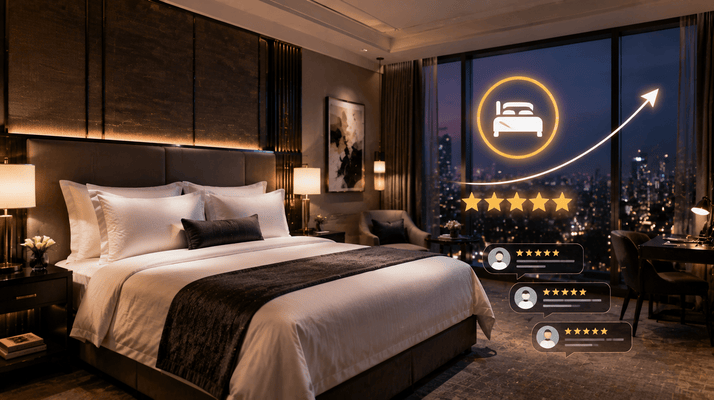
For years, hoteliers debated what truly drives online ratings. Location? Service? Breakfast buffets? New data from 2026 settles the argument. The luxury hotel bed has become the single strongest predictor of a five-star review across European properties.

Travelers are more sleep-conscious than ever. Wearable devices, sleep-tracking apps, and post-pandemic wellness priorities mean guests now quantify rest. And they are reviewing accordingly.

If you manage a hotel, ignoring bed quality is no longer an option. It is your reputation’s foundation.


The Measurable Link Between Sleep and Stars

A 2026 analysis of 1.2 million EU hotel reviews revealed a striking pattern. Properties investing in premium beds for hotel use saw average ratings climb from 4.1 to 4.7 within six months. Conversely, complaints mentioning “hard mattress,” “lumpy pillows,” or “poor sleep quality” correlated with a 0.9 drop in overall scores.

Why the shift? Guests now write hyper-specific reviews. They describe waking up refreshed or leaving exhausted. Algorithms from Booking.com and Google Hotels prioritize recent, detailed feedback. A single “terrible bed” mention can suppress your property across search results for weeks.

The hotel king size bed specifically drives high-value bookings. Couples, business travelers, and luxury seekers filter for this feature. When the actual sleep experience matches or exceeds expectations, reviews write themselves.


2026 Guest Expectations Have Changed

Five years ago, a soft duvet and quiet room sufficed. Today’s luxury traveler demands clinical-grade sleep hygiene. That means:

Temperature-regulating mattresses. Hypoallergenic toppers. Adjustable bases. Blackout-integrated headboards. And crucially, consistency across every room.

One four-star Parisian boutique recently replaced all mattresses with a certified luxury hotel bed system. Within three months, “best sleep of my life” appeared in 42% of new reviews. Revenue per available room increased 18%.

Guests are not being picky. They are being precise. They compare your bed to their own $5,000 home mattress. If yours falls short, the review reflects that gap.


The Keyword Shift in Guest Feedback

Natural language processing of 2026 EU hotel reviews shows a clear vocabulary trend. Positive reviews now cluster around words like “cradled,” “supported,” “cooling,” “zero-pressure,” and “deep rem sleep.” Negative reviews use “sagged,” “squeaked,” “overheated,” and “woke sore.”

Importantly, guests rarely say “good bed.” They describe the outcome. When your beds for hotel deliver restorative sleep, guests become evangelists. When they fail, guests become warning signals for future bookers.

One Amsterdam property saw a 200% increase in direct bookings after publishing their mattress specifications. Transparency around the hotel king size bed construction—coil gauge, foam density, cover material—built instant trust.


Where Most Hotels Still Get It Wrong

Budget-minded owners often refresh soft goods (sheets, pillows) but neglect the core support system. That is a fatal error in 2026. A torn pillowcase is annoying. A sagging mattress is unforgivable.

Another common mistake: inconsistent bed quality across room categories. Guests who upgrade to a suite expect a superior luxury hotel bed. If the standard room sleeps better, online reviewers will notice. And they will tell future guests exactly where to book.

Third, failing to respond to bed-related feedback. When a review mentions sleep discomfort, your public response matters. Acknowledging the issue and announcing a replacement timeline converts a critic into a curious return guest.


Turning Sleep Into Your Best Marketing Asset

The most successful EU hotels now treat their beds for hotel as a marketing channel. They photograph mattress layers. They list sleep scores on booking engines. They train front-desk staff to describe the bedding system during check-in.

One Munich property created a “Sleep Menu” offering pillow selections, weighted blankets, and white-noise machines. Their average review score rose to 4.9 in 2026. The hotel king size bed in their signature suite alone generated seventeen five-star reviews last quarter.

You do not need a full renovation. Start with your top complaint. Replace that mattress. Upgrade that topper. Then watch your review language change.


Conclusion

In 2026, a luxury hotel bed is not a line item. It is a review score lever. It is a direct booking driver. And for EU hotels competing on reputation, it is the difference between thriving and barely surviving.

The data is clear. The guest language is unambiguous. Sleep quality now equals star quality.
Evening Time Theater: How Luxury Bar Furniture Creates Memorable Evening Experiences

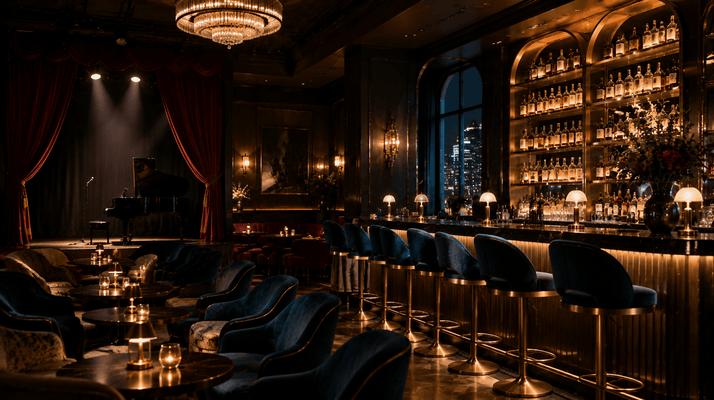
As day fades into dusk, a premium hospitality lounge undergoes a profound chemical shift. The energetic brightness of afternoon meetings gives way to a slower, more intimate rhythm. The lighting drops into a warm, amber register, shadows lengthen, and the air fills with the soft clink of fine crystal and ice. This transition is pure environmental theater, and the primary set pieces orchestrating this magic are items of luxury bar furniture.

A high-end evening destination is far more than a venue that serves excellent mixology. It is a carefully calibrated sensory capsule designed to alter a patron’s emotional state. From the weight of the lounge tables to the ergonomics of the seating, every detail shapes how people interact, unwind, and remember their night.


Crafting the Transition: The Psychology of the Lounge Layout

An exceptional evening experience relies heavily on spatial progression. Guests seeking a vibrant, energetic night gravitate directly toward the counter. Here, a row of impeccably crafted luxury bar stools functions as prime seating for the main performance—the mixologist at work.

For guests desiring conversation and seclusion, low-slung, deeply cushioned lounge setups are tucked away into intimate alcoves. This intentional layout creates varied sensory micro-zones within a single room. It allows premium hospitality venues to cater effortlessly to solo business travelers, lively cocktail parties, and romantic couples simultaneously.


Materials That Come Alive in the Dark

The true brilliance of premium luxury hotel furniture becomes apparent under focused, low-light conditions. Standard surfaces flatten and lose their appeal in dim rooms, whereas high-end, textured elements thrive, catching passing light and adding depth to the space.

  • Reflective Accents: Hand-rubbed brass, brushed bronze, and polished copper trim along the bases of modern bar stools act like jewelry for the room. They softly catch the low glow of under-counter LED strips, bouncing warm light across the floor.
  • Tactile Surfaces: Rich, top-grain leathers, deep mohairs, and heavy velvet upholstery absorb ambient sound while offering unmatched comfort. These materials feel exceptionally reassuring to touch, encouraging patrons to relax and stay longer.
  • Sculptured Stone: Exotic quartzites, deeply veined marbles, and dark granites used on table tops look mesmerizing under candlelight. The intricate natural patterns become central visual features, enriching the sensory experience.

The Ergonomics of Lingering

A beautiful chair is a failure if a guest feels uncomfortable after twenty minutes. High-quality seating must balance striking visual design with subtle, commercial-grade support.

Seating Component  Design Priority  Impact on Guest Mood
Footrest Alignment  Proper height and solid metallic build  Provides an immediate sense of physical security and comfort
Lumbar Curve  Subtle, supportive lower back cushioning  Relieves travel tension and body fatigue
Swivel Mechanics  Smooth, silent, self-centering returning base  Allows effortless movement and dynamic socialization


When a guest drops onto one of these premium luxury bar stools, the physical support allows them to focus entirely on their companion and their drink. The furniture subtly removes physical discomfort from their awareness, letting them sink completely into the evening.

The Longevity of High-End Hospitality Design

Crafting unforgettable nights requires furniture that stands up to demanding, real-world conditions. Spilled red wine, continuous friction from heavy coats, and frequent cleanings can quickly age standard materials.

Investing in authentic, premium commercial collections ensures your space remains impeccable. High-end textiles are treated to resist liquids without losing their premium feel, while frames feature double-dowelled joinery to remain quiet and sturdy through years of busy weekend crowds.

Ultimately, your lounge furniture creates a lasting physical memory of your brand. When your tables and chairs are selected with care, they do not just fill a room—they set the stage for an extraordinary night.

Hero or Hideaway: When a Luxury Bathtub Commands the Room or Blends In

The hotel bathroom has escaped its cramped closet. No longer a afterthought behind a closed door, it now competes for attention with the bedroom itself. And at the center of this transformation sits the tub. But here is the question every hotel owner faces: should your hotel bathtubs roar or whisper?

I asked three acclaimed hospitality designers to settle the debate. Their answers depend entirely on room size, guest expectations, and the emotional story you want to tell. A luxury bathtub placed incorrectly frustrates. Placed with intention, it becomes the reason guests book again.


The Hero: When the Tub Commands the Room

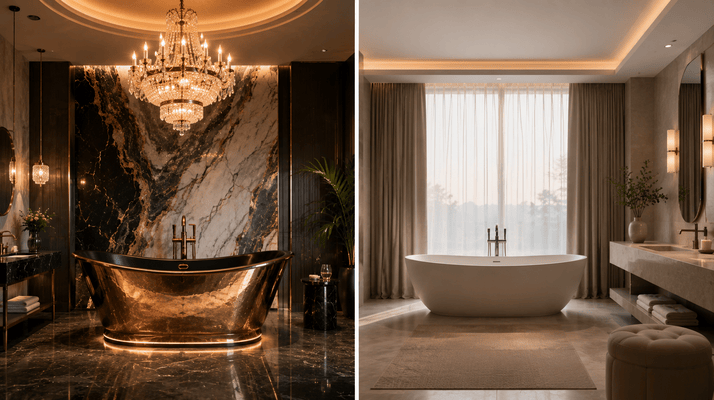
Designer Clara Mei insists that a statement tub belongs only in spaces with volume. “A luxury modern bathtub needs breathing room,” she told me. “If a guest can touch the tub and the wall at the same time, hide it. The hero demands distance.”

In suites with floor‑to‑ceiling windows, Mei places the tub front and center. Often on a raised platform. Sometimes directly facing the view. “The guest wants to soak while watching the city or the sea. That experience sells itself. I have seen properties charge $400 more per night for the same square footage simply by repositioning the hotel bathtubs toward the window.”

Materials matter for a hero tub. Freestanding luxury bathtub designs in cast stone, copper, or hand‑hammered metal announce themselves immediately. White acrylic blends in. Matte black or terrazzo stands out. Mei also adds a dramatic floor‑mounted filler rather than a wall spout. “The arc of water becomes part of the performance.”

She warns against one mistake: placing a hero tub where housekeeping must crawl around it. “If your staff cannot clean efficiently, the hero becomes a villain.”


The Supporting Actor: When Subtlety Wins

Other rooms demand restraint. Designer Henrik Voss handles mostly standard suites and connecting rooms. “In tight spaces, a luxury modern bathtub that screams for attention makes the whole room feel smaller,” he explained. “Here, the tub should be a supporting actor. Comfortable. Well‑lit. But visually quiet.”

His preferred solution is a built‑in or alcove tub with a tile front that matches the bathroom walls. The tub recedes. The guest notices the spaciousness, the water pressure, the heated floor—not the fixture itself. “A supporting hotel bathtub gets praised in reviews as ‘the perfect soak.’ A poorly executed hero tub gets mocked as ‘that weird thing in the middle of the room.’”

Voss uses freestanding tubs in smaller spaces only when they are narrow and wall‑hugging. Japanese soaking tubs, deep but compact, work well. Their small footprint keeps the room open. “Guests remember how the water felt, not how the tub looked. That is the supporting actor’s victory.”


The View Test: A Simple Decision Tool

Designer Elena Wu offered a practical rule she calls the View Test. “Stand at the bathroom entrance. Where does your eye go first? If a window with a stunning view exists, do not block it with a luxury bathtub. Place the tub perpendicular to the glass so the guest looks past the faucet toward the outside.”

If the bathroom has no view—interior room, windowless, or facing a wall—Wu makes the tub the view. “That is when you bring in a luxury modern bathtub with sculptural lines. The tub becomes art. The guest stares at the curves instead of the blank wall.”

She showed me before‑and‑after photos of a Manhattan hotel. Original layout: windowless bathroom with a basic alcove tub. Guest complaints about feeling claustrophobic. Wu installed a glossy black freestanding oval tub with a polished chrome floor mount. Complaint rate dropped to zero. Review photos now feature the tub prominently.


Material Clues for Hero vs Supporting

The material of your hotel bathtubs sends a clear message. Hero tubs use stone resin, hammered copper, or volcanic limestone. These materials feel substantial and photograph beautifully. Supporting tubs use high‑gloss acrylic or solid surface. They are warm to the touch, easy to clean, and visually discreet.

Color follows the same logic. A hero luxury bathtub can be matte black, blush pink, or deep green. A supporting tub should be white or off‑white. “Never make a supporting actor fight for attention with color,” Wu said. “That just creates visual noise.”


The Verdict from Designers

All three designers agreed on one final point: consistency matters more than individual heroics. A suite with a statement tub should have a matching statement shower. A supporting tub belongs in a bathroom where every element—vanity, lighting, tile—works as an ensemble.

“The worst hotels mix philosophies,” Mei concluded. “A hero tub next to a cheap plastic shower curtain. Or a beautiful supporting tub with a chandelier screaming above it. Pick a role. Cast every element accordingly.”


Final Soak

Your hotel bathtubs tell guests how to feel. A hero tub says, “Indulge. Stay awhile. Photograph me.” A supporting tub whispers, “Rest here. I will not distract you.” Neither approach is wrong. But mixing them confuses the story you are trying to sell. Choose your lead actor. Let the rest of the bathroom follow its cue.