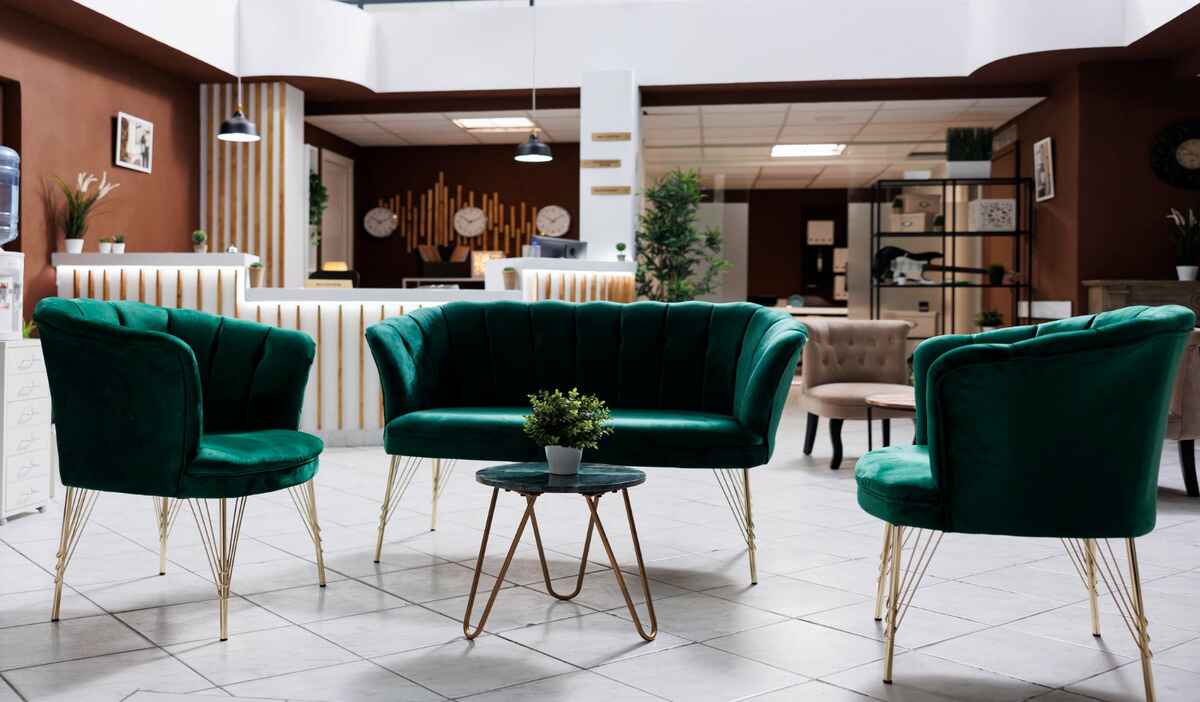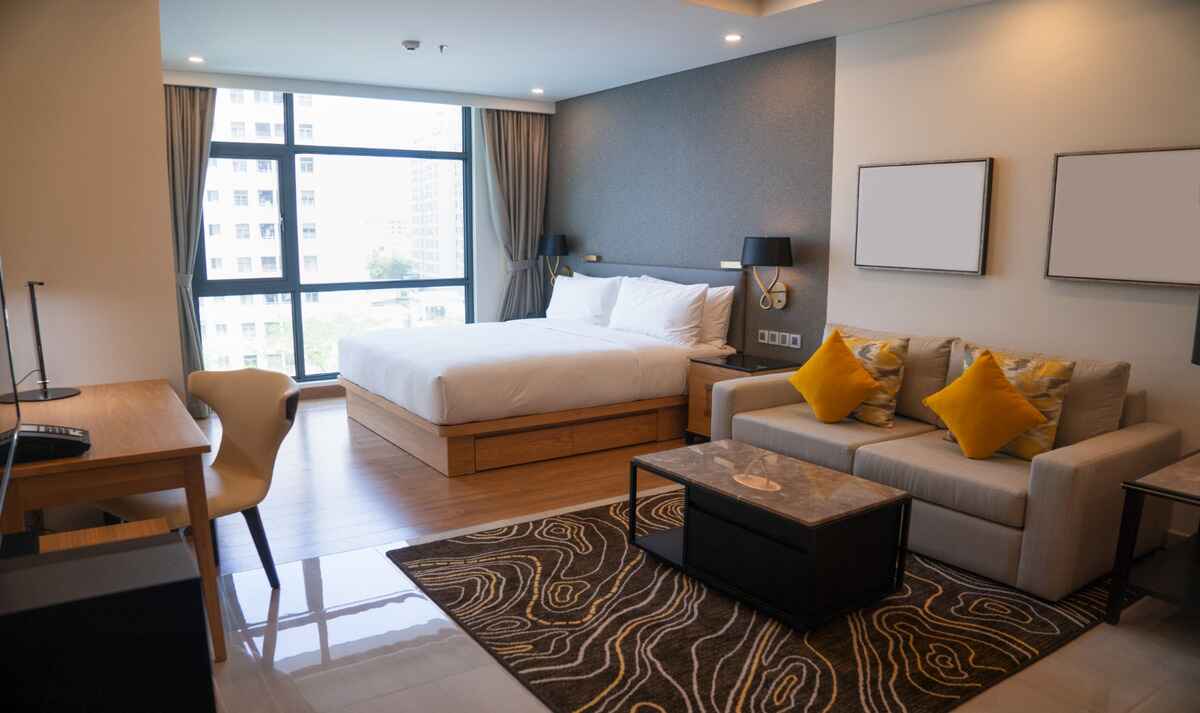
Why Furniture Quality Matters More Than Décor in Luxury Hotels

First impressions may be shaped by lighting, colours, and decorative accents, but long-term guest satisfaction is built on what guests actually use. Beds, seating, tables, and storage pieces define how a hotel feels day after day. For hotel owners across Europe, understanding the difference between visual décor and structural quality is essential. Luxury hotel furniture is not a styling accessory—it is a performance asset that directly impacts return on investment, guest comfort, and brand credibility.

While décor trends change rapidly, well-crafted hotel furniture continues to deliver value for years. This distinction is especially critical for luxury hotels, boutique properties, and premium hospitality spaces where expectations are uncompromising.


Décor Attracts Attention, Furniture Sustains Experience

Décor elements are often selected for visual appeal: wall finishes, artwork, decorative lighting, and accessories. These features enhance atmosphere but rarely interact with guests in a meaningful way. Furniture, on the other hand, supports every core guest activity—sleeping, sitting, dining, working, and relaxing.

High-quality luxury hotel furniture provides:

  • Physical comfort throughout the stay

  • Functional reliability under constant use

  • Visual consistency that reinforces brand standards

Guests may admire décor briefly, but they remember comfort. When furniture performs well, décor becomes a supporting layer rather than the focus.


The True Cost of Poor-Quality Hotel Furniture

Low-quality hotel furniture may appear cost-effective at the time of purchase, but it introduces hidden expenses over time. Frequent repairs, early replacement, and guest complaints quickly erode initial savings.

Common issues include:

  • Sagging seating and mattresses

  • Surface damage in high-traffic areas

  • Structural instability affecting safety

By contrast, high-end hotel furniture is engineered for hospitality-grade use. It maintains comfort, appearance, and structural integrity even under daily operational stress.


Furniture Quality and Long-Term ROI

Luxury hotels operate on reputation and consistency. Replacing furniture every few years disrupts operations and weakens brand perception. Investing in durable luxury hotel furniture delivers measurable financial benefits over time.

Long-term ROI advantages include:

  • Reduced refurbishment frequency

  • Lower maintenance and replacement costs

  • Stable visual standards across seasons

For hotel owners, quality furniture transforms capital expenditure into long-term operational efficiency.


Guest Satisfaction Is Built on Comfort and Reliability

Guest reviews often reflect emotional responses rather than technical details. However, discomfort, instability, or wear are quickly noticed—even if not explicitly named. Poor furniture quality often appears in reviews as “uncomfortable,” “tired,” or “not worth the price.”

Well-made luxury hotel furniture supports:

  • Better sleep quality

  • Relaxed public spaces

  • Confidence in the hotel’s overall standards

Consistent comfort leads to stronger reviews, repeat bookings, and increased loyalty—key performance drivers in Europe’s competitive luxury hospitality market.


High-End Furniture Protects Brand Positioning

Luxury brands are built on trust. Guests expect premium hotels to feel refined, solid, and well-maintained at every touchpoint. High-end hotel furniture reinforces this perception through craftsmanship, materials, and finish quality.

When furniture shows visible wear too soon, it undermines the brand message—regardless of décor quality. Durable materials, strong frames, and professional upholstery ensure that hotel furniture continues to represent the brand accurately over time.


Durability Matters More Than Trends

Décor trends shift quickly, influenced by social media and seasonal design movements. Furniture quality, however, must transcend trends. Durable luxury hotel furniture is designed with timeless proportions and neutral foundations that adapt to changing décor styles.

This approach allows hotels to:

  • Refresh décor without replacing furniture

  • Maintain relevance without full renovations

  • Protect long-term design investments

Quality furniture becomes a stable foundation upon which décor can evolve.


Boutique Hotels and the Importance of Substance

Boutique hotels rely heavily on atmosphere, intimacy, and storytelling. Guests choose these properties for character and authenticity, not mass-market uniformity. In this context, luxury hotel furniture plays a crucial role.

Poor-quality furniture disrupts the experience quickly in smaller spaces where guests are closer to details. By contrast, well-crafted hotel furniture enhances the boutique narrative, offering both comfort and credibility.


Operational Efficiency and Staff Experience

Furniture quality affects more than guests—it impacts staff operations as well. Sturdy, well-designed hotel furniture simplifies housekeeping, reduces damage during cleaning, and lowers safety risks.

Operational benefits include:

  • Faster room turnover

  • Fewer maintenance issues

  • Improved staff efficiency and morale

These efficiencies contribute indirectly to guest satisfaction by supporting smoother daily operations.


Sustainability Through Longevity

European luxury hospitality increasingly values sustainability. Long-lasting high-end hotel furniture supports sustainable practices by reducing waste and resource consumption.

Choosing durable luxury hotel furniture aligns with:

  • Reduced material turnover

  • Lower environmental impact over time

  • Responsible luxury positioning

Sustainability in luxury hotels is no longer optional—it is an expectation, especially among EU travelers.


Décor Can Change, Quality Should Not

Décor refreshes are part of brand evolution. Furniture replacement should not be. Hotels that prioritise quality over surface appeal create interiors that age gracefully rather than deteriorate visibly.

Strong luxury hotel furniture allows owners to adjust décor layers—textiles, lighting, accessories—without disrupting core infrastructure. This flexibility is essential for long-term success in premium hospitality.


Conclusion: Furniture Quality as a Strategic Decision

Visual appeal may attract attention, but quality sustains reputation. For hotel owners, luxury hotel furniture is a strategic investment that influences guest satisfaction, operational efficiency, and financial performance. While décor enhances atmosphere, furniture defines experience.

By choosing high-end hotel furniture built for durability and comfort, luxury hotels and boutique properties across Europe protect their brand, maximise ROI, and deliver the level of excellence guests expect.
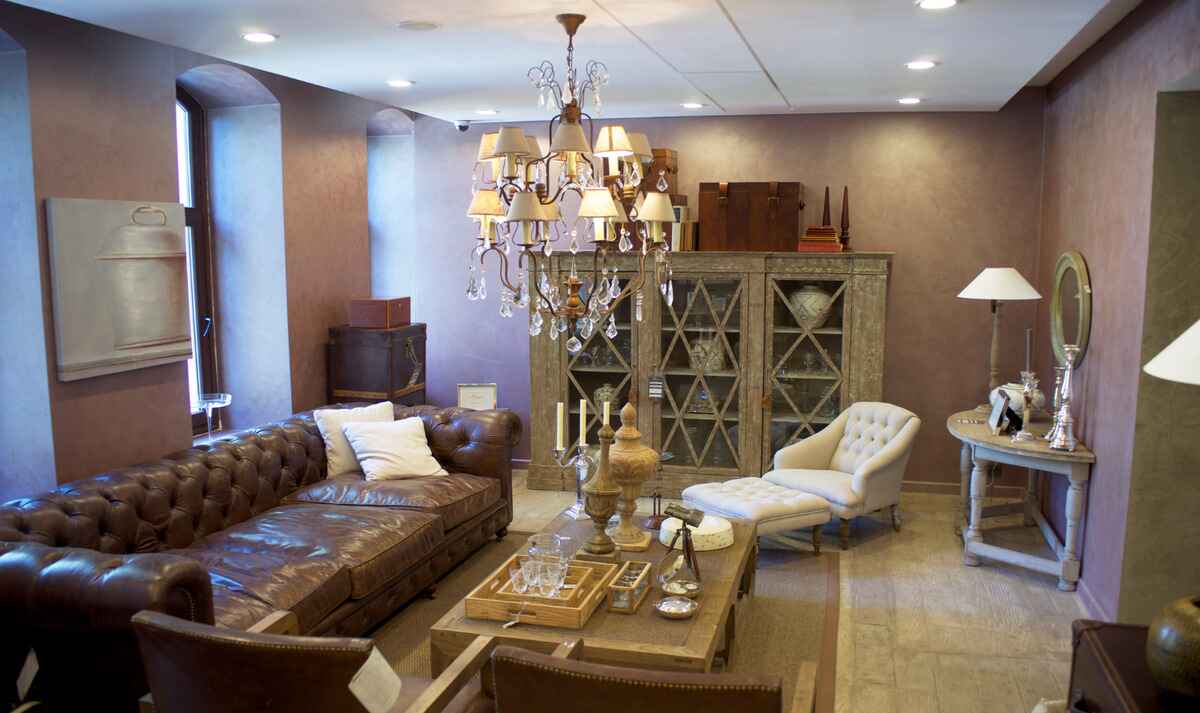
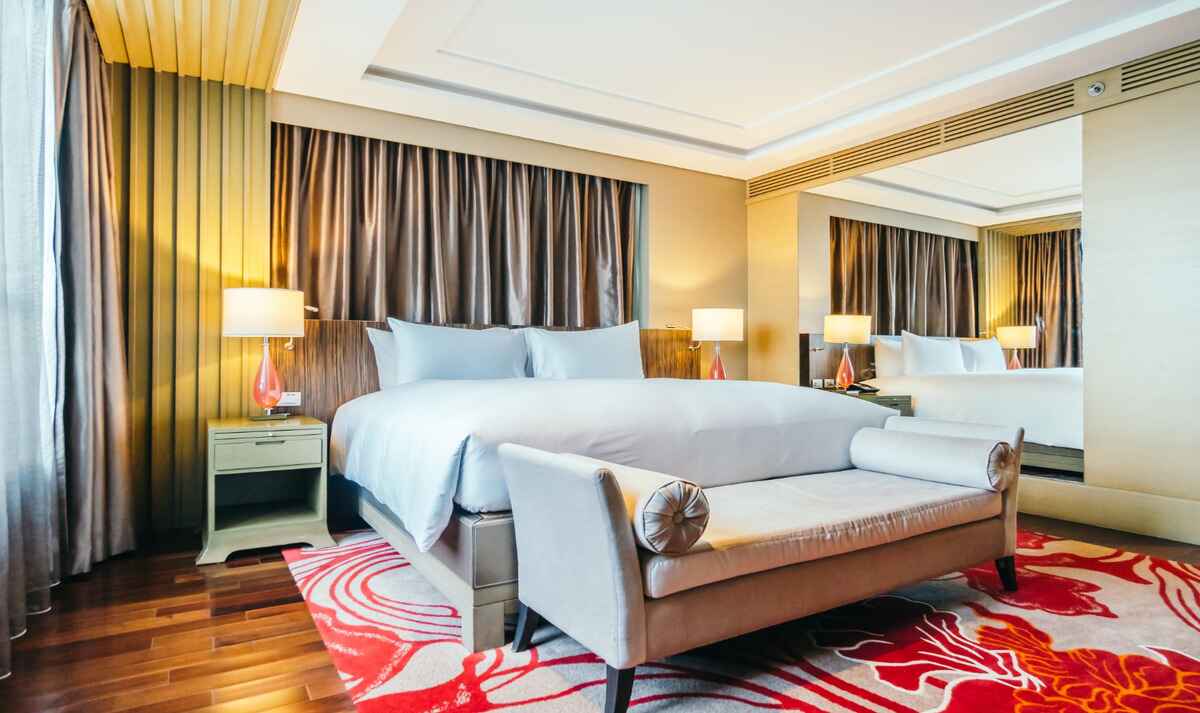
Modern vs Classic Hotel Furniture: What Suits Luxury Properties Best

Every luxury hotel tells a story the moment a guest walks inside. That story is expressed not only through architecture and service, but through furniture choices that define atmosphere, comfort, and identity. For hotel owners and designers across Europe, selecting between modern hotel furniture and classic European hotel furniture is a strategic decision—one that directly shapes brand perception and guest expectations.

Both styles hold a strong place in luxury hospitality. The challenge lies in understanding which approach aligns best with the hotel’s positioning, audience, and long-term vision.


Understanding Style as a Brand Language

Furniture functions as a visual language in hospitality. Guests may not consciously analyze design choices, but they immediately feel their impact. Well-selected luxury hotel furniture reinforces whether a property feels contemporary and forward-thinking or timeless and heritage-driven.

From boutique hotels to premium city properties, aligning hotel furniture style with brand identity ensures coherence across every guest touchpoint—from lobby to bedroom.


The Appeal of Modern Hotel Furniture in Luxury Settings

Modern design has become increasingly popular in European luxury hotels, especially in urban destinations and lifestyle-driven properties. Modern hotel furniture emphasizes clean lines, balanced proportions, and understated elegance.

Key characteristics include:

  • Minimalist silhouettes with refined detailing
  • Neutral color palettes enhanced by texture
  • Functional forms designed for contemporary living

Modern luxury hotel furniture appeals strongly to younger luxury travelers and design-conscious guests who value clarity, comfort, and visual calm. It also photographs exceptionally well, supporting social media visibility and digital branding.

For boutique hotels, modern furniture helps create a fresh, curated environment that feels exclusive without being formal.


The Enduring Prestige of Classic European Hotel Furniture

Classic design remains deeply rooted in European luxury culture. Classic European hotel furniture draws inspiration from heritage craftsmanship, symmetry, and rich materials that convey permanence and tradition.

This style is defined by:

  • Ornamental detailing and elegant profiles
  • Warm finishes and tactile fabrics
  • A sense of grandeur balanced by comfort

Luxury hotels housed in historic buildings or cultural landmarks often favor classic hotel furniture to honor architectural context. Guests associate these interiors with authenticity, refinement, and timeless quality—values that continue to resonate strongly in the European market.


Guest Expectations: Modern Comfort vs Timeless Elegance

Guest expectations vary based on location, hotel category, and brand promise. A design-led boutique hotel in Berlin may benefit from sleek modern hotel furniture, while a grand hotel in Vienna may feel more authentic with classic European hotel furniture.

Both styles can deliver luxury when executed correctly. The difference lies in emotional response:

  • Modern interiors feel calm, efficient, and contemporary
  • Classic interiors feel reassuring, indulgent, and storied

The most successful luxury hotels understand their audience and use luxury hotel furniture to meet emotional as well as functional needs.


Blending Modern and Classic for Boutique Luxury

Many European boutique hotels now adopt a hybrid approach. Carefully blending modern comfort with classic references allows properties to feel distinctive rather than formulaic.

Examples include:

  • Modern seating paired with classic architectural details
  • Contemporary layouts using traditionally inspired materials
  • Minimalist forms finished with heritage textures

This balanced approach ensures hotel furniture feels relevant today while remaining timeless tomorrow. It also allows hotels to stand out in competitive luxury markets.


Durability, Maintenance, and Long-Term Value

Beyond aesthetics, furniture decisions must consider longevity. High-quality luxury hotel furniture, whether modern or classic, should withstand constant use without losing its visual integrity.

Modern furniture perceived as trend-driven must be chosen carefully to avoid quick visual fatigue. Classic furniture, while timeless, requires skilled craftsmanship to avoid feeling dated. In both cases, investing in premium materials ensures long-term value and consistent guest satisfaction.


Choosing the Right Style for Your Luxury Property

Selecting between modern hotel furniture and classic European hotel furniture starts with clarity on brand identity. Hotel owners should consider:

  • Target guest profile and cultural expectations
  • Architectural context of the property
  • Desired emotional response at first impression

When hotel furniture aligns seamlessly with these factors, it strengthens brand recognition and guest loyalty.


Conclusion: Style as a Strategic Luxury Decision

Modern and classic styles are not competing choices but distinct expressions of luxury. The right luxury hotel furniture amplifies a hotel’s personality, supports guest comfort, and reinforces brand values.

For luxury hotels, boutique properties, and premium hospitality spaces across Europe, success lies in intentional design. Whether embracing the clean sophistication of modern interiors or the enduring elegance of classic European design, furniture should always serve as a confident extension of the hotel’s identity.

How Luxury Hotel Furniture Influences Guest Reviews & Loyalty

First impressions may open the door, but lasting impressions decide whether guests return—or recommend a hotel to others. Across Europe’s luxury hospitality market, furniture has become a silent driver of online reviews, repeat bookings, and long-term brand loyalty. Every chair, bed, and table contributes to how guests feel, rest, and remember their stay. This is where luxury hotel furniture moves from design choice to business strategy.

For luxury shoppers, interior designers, and hotel owners, understanding this connection is essential in a review-driven hospitality landscape.


Furniture as the Foundation of Guest Experience

Guests may comment on service and location, but their experience is lived through physical spaces. Comfort, ease of use, and visual harmony shape daily interactions within the hotel. Well-designed premium hotel interiors create an environment where guests feel cared for without being consciously aware of why.

High-quality luxury hotel furniture supports:

  • Physical comfort throughout long stays 
  • Emotional ease that reduces travel fatigue 
  • A sense of refinement expected in premium hotels 

When furniture fails to meet expectations, it often appears indirectly in reviews through phrases like “uncomfortable,” “dated,” or “not worth the price.”


How Furniture Choices Influence Online Reviews

Online reviews reflect moments—sleep quality, lobby comfort, dining experience. Furniture is present in all of them. Guests may not mention furniture explicitly, yet it shapes their satisfaction behind the scenes.

Positive reviews often stem from:

  • Beds and seating that support real rest 
  • Quiet confidence in well-crafted interiors 
  • Visual consistency across rooms and public areas 

Hotels that invest in guest experience luxury hotel furniture see fewer negative comments related to discomfort, wear, or mismatch between branding and reality.


Premium Interiors Encourage Longer Stays and Repeat Visits

Luxury travelers in Europe value familiarity combined with excellence. When guests feel comfortable and visually connected to a space, they are more likely to return. Premium hotel interiors built around refined furniture create an emotional anchor that guests recognize and trust.

Repeat bookings are often driven by:

  • A sense of “feeling at home” within a luxury setting 
  • Consistency between first visit and return stay 
  • Furniture that maintains comfort and appearance over time 

This consistency reinforces the hotel’s promise, turning first-time guests into loyal patrons.


Boutique Hotels: Furniture as a Loyalty Builder

Boutique hotels rely heavily on atmosphere to differentiate themselves. In these properties, luxury hotel furniture becomes part of the hotel’s personality. Guests choose boutique hotels for uniqueness, not uniformity.

Carefully curated premium hotel interiors allow boutique hotels to:

  • Create memorable visual identities 
  • Encourage emotional attachment to the space 
  • Inspire guests to share photos and reviews online 

This organic visibility strengthens brand recognition and trust, especially among design-conscious travelers.


Social Proof, Visual Appeal, and Guest Advocacy

Furniture influences how often guests photograph and share hotel spaces. A beautifully furnished lobby or bedroom frequently appears in social media posts and review platforms, extending the hotel’s reach beyond traditional marketing.

High-impact guest experience luxury hotel furniture contributes to:

  • Increased visual content in reviews 
  • Stronger emotional language in feedback 
  • Higher likelihood of personal recommendations 

These authentic signals play a major role in attracting new guests who rely on peer validation when booking luxury accommodations.


Long-Term Brand Loyalty Through Quality Investment

Luxury furniture is designed to endure—both physically and aesthetically. Hotels that choose well-crafted luxury hotel furniture protect their brand image over time, avoiding the negative impact of worn or outdated interiors.

From a business perspective, this leads to:

  • Lower refurbishment frequency 
  • Consistent guest satisfaction across seasons 
  • Stronger loyalty built on reliability and comfort 

When guests trust the environment, they trust the brand.


Conclusion: Furniture as a Driver of Reputation

Guest loyalty is built on details experienced daily, not marketing claims. Thoughtfully selected luxury hotel furniture shapes comfort, perception, and memory at every touchpoint. Combined with cohesive premium hotel interiors, furniture becomes a powerful influence on reviews, repeat bookings, and long-term success.

For luxury and boutique hotels across Europe, investing in the right furniture is not only about aesthetics—it is about earning trust, advocacy, and lasting loyalty.

Luxury Hotel Lobby Furniture That Makes a Powerful First Impression

A guest’s first emotional response to a hotel is shaped long before check-in is complete. The moment they step through the entrance, the lobby silently communicates what kind of experience awaits them. Texture, scale, comfort, and craftsmanship come together instantly—and at the center of this experience lies carefully chosen hotel lobby furniture.

For luxury hotels and boutique properties across Europe, lobby design is not decorative filler. It is a deliberate expression of quality, confidence, and hospitality philosophy. When executed well, luxury lobby seating and reception furniture set expectations that resonate throughout the entire stay.

Why First Impressions Matter More Than Ever in Luxury Hospitality

Luxury travelers are increasingly experience-driven. They expect spaces to feel curated, authentic, and emotionally engaging from the first moment. Research into hospitality psychology consistently shows that guests form lasting opinions within seconds of arrival.

Well-designed hotel lobby furniture creates:

  • A feeling of reassurance after travel
  • Immediate trust in the hotel’s standards
  • Emotional comfort that reduces stress and fatigue

In the European luxury market, where design literacy is high, guests instinctively recognize the difference between average furnishings and truly refined craftsmanship.

Lobby Furniture as a Visual Promise of the Brand

The lobby is the most public representation of a hotel’s identity. It reflects whether a property is contemporary, heritage-inspired, minimalist, or richly layered. Luxury hotel reception furniture Europe must visually align with the story the hotel wants to tell.

Furniture choices communicate messages such as:

  • Exclusivity and discretion in boutique hotels
  • Grandeur and permanence in luxury city hotels
  • Relaxed sophistication in resort-style properties

When hotel lobby furniture supports the brand narrative, guests subconsciously feel they have chosen the right destination.

The Role of Luxury Lobby Seating in Guest Comfort

Seating is the emotional anchor of the lobby. Guests may wait, socialize, work, or simply pause—often all within the same space. Thoughtfully arranged luxury lobby seating ensures the lobby feels welcoming rather than transitional.

High-end seating design focuses on:

  • Ergonomic comfort without sacrificing elegance
  • Balanced layouts that encourage interaction and privacy
  • Materials that age beautifully under frequent use

Luxury seating should feel closer to a refined living room than a commercial waiting area. This residential quality is especially valued by European travelers seeking warmth and authenticity.

Reception Furniture That Builds Confidence and Trust

The reception desk is the focal point of human interaction. Its design influences how guests perceive service quality before a single word is spoken. Luxury hotel reception furniture Europe must convey authority without intimidation.

Key elements of premium reception furniture include:

  • Solid construction that suggests longevity
  • Finishes that reflect the hotel’s interior language
  • Proportions that feel approachable and refined

When reception furniture flows seamlessly with surrounding hotel lobby furniture, the entire arrival process feels intuitive and professional.

European Design Values Reflected Through Lobby Furniture

European luxury is rarely loud. Instead, it is defined by restraint, proportion, and material honesty. This philosophy strongly influences modern hotel lobby furniture across the EU.

Common characteristics include:

  • Neutral palettes accented with subtle contrasts
  • Natural materials such as wood, stone, and fine textiles
  • Furniture forms that balance modern comfort with timeless appeal

For boutique hotels, these design values allow luxury lobby seating to feel distinctive without being trend-driven, ensuring longevity in both style and function.

Boutique Hotels and the Power of Intimate Lobby Spaces

Boutique hotels often rely on atmosphere rather than scale to create impact. Their lobbies frequently double as lounges, social hubs, or informal meeting spaces. This makes furniture selection even more critical.

Well-planned hotel lobby furniture allows boutique hotels to:

  • Create layered seating zones within compact spaces
  • Encourage guests to linger rather than pass through
  • Strengthen emotional connection with the property

In this context, luxury lobby seating becomes a strategic tool for storytelling and guest engagement.

Long-Term Value of Investing in Luxury Lobby Furniture

Luxury furniture is an investment, not an expense. High-quality hotel lobby furniture retains its visual appeal and structural integrity over time, even in high-traffic environments.

The benefits extend beyond aesthetics:

  • Reduced replacement and maintenance costs
  • Stronger guest reviews influenced by first impressions
  • Increased social media visibility through shared lobby images

Choosing refined luxury hotel reception furniture Europe supports both operational efficiency and long-term brand equity.

Furniture as the Silent Host of the Lobby

Before staff offer assistance, before amenities are noticed, furniture sets the tone. Elegant hotel lobby furniture welcomes guests without words, while luxury lobby seating invites them to pause, relax, and feel valued.

For luxury and boutique hotels across Europe, investing in thoughtful lobby furniture design is one of the most effective ways to create a powerful first impression—one that lingers long after check-out.