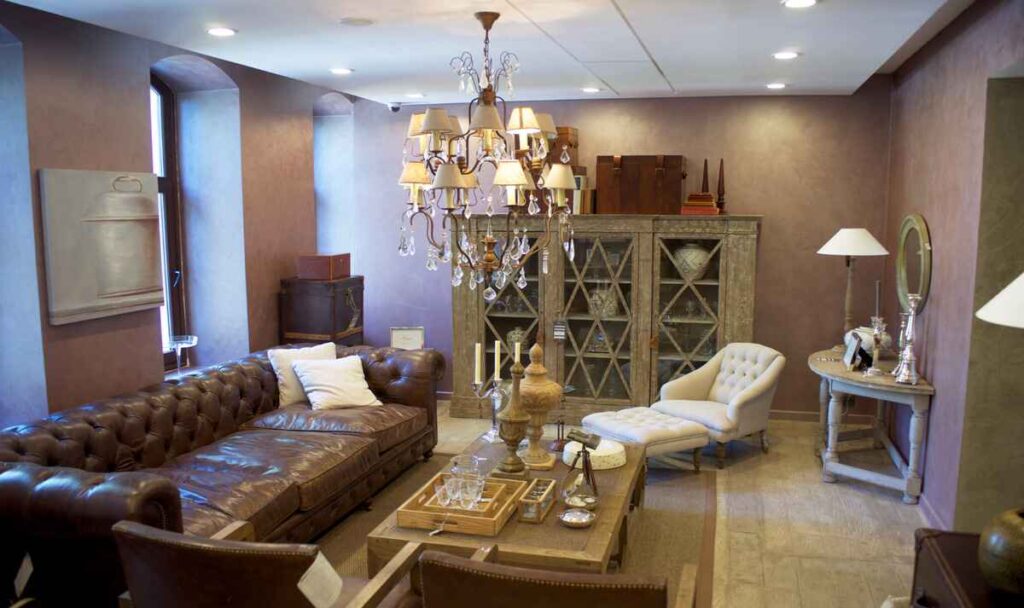
Every luxury hotel tells a story the moment a guest walks inside. That story is expressed not only through architecture and service, but through furniture choices that define atmosphere, comfort, and identity. For hotel owners and designers across Europe, selecting between modern hotel furniture and classic European hotel furniture is a strategic decision—one that directly shapes brand perception and guest expectations.
Both styles hold a strong place in luxury hospitality. The challenge lies in understanding which approach aligns best with the hotel’s positioning, audience, and long-term vision.
Understanding Style as a Brand Language
Furniture functions as a visual language in hospitality. Guests may not consciously analyze design choices, but they immediately feel their impact. Well-selected luxury hotel furniture reinforces whether a property feels contemporary and forward-thinking or timeless and heritage-driven.
From boutique hotels to premium city properties, aligning hotel furniture style with brand identity ensures coherence across every guest touchpoint—from lobby to bedroom.
The Appeal of Modern Hotel Furniture in Luxury Settings
Modern design has become increasingly popular in European luxury hotels, especially in urban destinations and lifestyle-driven properties. Modern hotel furniture emphasizes clean lines, balanced proportions, and understated elegance.
Key characteristics include:
- Minimalist silhouettes with refined detailing
- Neutral color palettes enhanced by texture
- Functional forms designed for contemporary living
Modern luxury hotel furniture appeals strongly to younger luxury travelers and design-conscious guests who value clarity, comfort, and visual calm. It also photographs exceptionally well, supporting social media visibility and digital branding.
For boutique hotels, modern furniture helps create a fresh, curated environment that feels exclusive without being formal.
The Enduring Prestige of Classic European Hotel Furniture
Classic design remains deeply rooted in European luxury culture. Classic European hotel furniture draws inspiration from heritage craftsmanship, symmetry, and rich materials that convey permanence and tradition.
This style is defined by:
- Ornamental detailing and elegant profiles
- Warm finishes and tactile fabrics
- A sense of grandeur balanced by comfort
Luxury hotels housed in historic buildings or cultural landmarks often favor classic hotel furniture to honor architectural context. Guests associate these interiors with authenticity, refinement, and timeless quality—values that continue to resonate strongly in the European market.
Guest Expectations: Modern Comfort vs Timeless Elegance
Guest expectations vary based on location, hotel category, and brand promise. A design-led boutique hotel in Berlin may benefit from sleek modern hotel furniture, while a grand hotel in Vienna may feel more authentic with classic European hotel furniture.
Both styles can deliver luxury when executed correctly. The difference lies in emotional response:
- Modern interiors feel calm, efficient, and contemporary
- Classic interiors feel reassuring, indulgent, and storied
The most successful luxury hotels understand their audience and use luxury hotel furniture to meet emotional as well as functional needs.
Blending Modern and Classic for Boutique Luxury
Many European boutique hotels now adopt a hybrid approach. Carefully blending modern comfort with classic references allows properties to feel distinctive rather than formulaic.
Examples include:
- Modern seating paired with classic architectural details
- Contemporary layouts using traditionally inspired materials
- Minimalist forms finished with heritage textures
This balanced approach ensures hotel furniture feels relevant today while remaining timeless tomorrow. It also allows hotels to stand out in competitive luxury markets.
Durability, Maintenance, and Long-Term Value
Beyond aesthetics, furniture decisions must consider longevity. High-quality luxury hotel furniture, whether modern or classic, should withstand constant use without losing its visual integrity.
Modern furniture perceived as trend-driven must be chosen carefully to avoid quick visual fatigue. Classic furniture, while timeless, requires skilled craftsmanship to avoid feeling dated. In both cases, investing in premium materials ensures long-term value and consistent guest satisfaction.
Choosing the Right Style for Your Luxury Property
Selecting between modern hotel furniture and classic European hotel furniture starts with clarity on brand identity. Hotel owners should consider:
- Target guest profile and cultural expectations
- Architectural context of the property
- Desired emotional response at first impression
When hotel furniture aligns seamlessly with these factors, it strengthens brand recognition and guest loyalty.
Conclusion: Style as a Strategic Luxury Decision
Modern and classic styles are not competing choices but distinct expressions of luxury. The right luxury hotel furniture amplifies a hotel’s personality, supports guest comfort, and reinforces brand values.
For luxury hotels, boutique properties, and premium hospitality spaces across Europe, success lies in intentional design. Whether embracing the clean sophistication of modern interiors or the enduring elegance of classic European design, furniture should always serve as a confident extension of the hotel’s identity.