Is Investing More in Hotel Room Furniture Better Than Lobby Furniture?

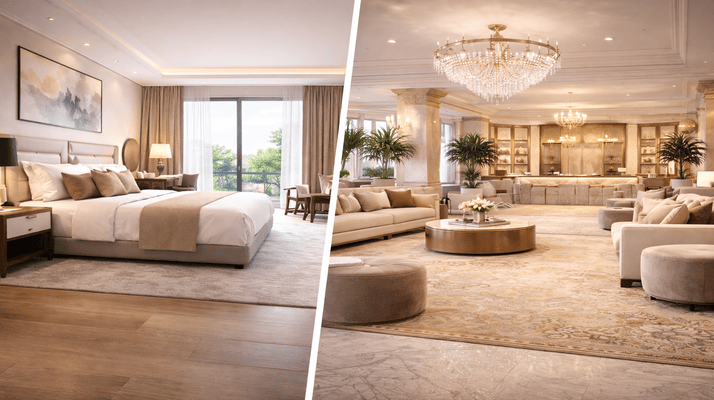
Budget allocation is one of the most strategic decisions a hotel owner must make. When renovating or developing a property, the question often arises: should more investment go into Hotel Room Furniture or into hotel lobby furniture? Both spaces influence perception, yet they serve very different purposes within luxury hospitality.

Understanding how guests interact with rooms versus lobbies is essential for making a financially sound and brand-aligned decision. For luxury, boutique, and premium hotels across Europe, furniture investment must balance comfort, visibility, and long-term return.


Guest Time Spent: Private Comfort vs Public Impression

Guests spend significantly more time inside their rooms than in the lobby. Sleep quality, storage convenience, seating comfort, and workspace functionality all depend on well-designed Hotel Room Furniture. If the room fails to meet expectations, even the most impressive entrance experience cannot compensate.

On the other hand, hotel lobby furniture shapes the first impression. It is highly visible, photographed frequently, and often associated with brand identity. A striking lobby may attract attention online, but the room determines whether guests leave satisfied.

For hotel owners, this difference between duration and visibility is crucial. Rooms influence comfort and reviews; lobbies influence perception and marketing impact.


ROI Perspective: Where Does the Money Work Harder?

From a financial standpoint, Hotel Room Furniture directly affects guest satisfaction scores and repeat bookings. Comfortable beds, durable wardrobes, and functional desks enhance everyday experience. Positive room comfort often appears in reviews, strengthening occupancy rates.

Investing in high-quality luxury hospitality furniture for guest rooms also reduces maintenance costs. Durable materials withstand daily use, lowering replacement frequency and protecting long-term profitability.

Conversely, hotel lobby furniture delivers marketing value. A visually impressive lobby increases social media exposure and enhances perceived luxury. However, if rooms lack quality, overall ratings may decline despite lobby appeal.

In most luxury hospitality environments, rooms provide stronger measurable ROI due to direct guest interaction.


Brand Impact: Visibility vs Intimacy

The lobby acts as a brand showcase. Carefully curated hotel lobby furniture communicates sophistication and sets the tone for the property. It is where guests form initial emotional impressions.

Yet true brand loyalty develops in private spaces. Premium Hotel Room Furniture defines how guests sleep, relax, and work. Intimate comfort builds trust and emotional connection.

Luxury hotel brands that prioritise room comfort often achieve higher guest retention because the private experience exceeds expectations. While the lobby attracts, the room convinces.


Boutique Hotels: A Different Balance

Boutique hotels operate differently from large-scale luxury properties. Their lobbies are often smaller, sometimes integrated with lounges or dining areas. In such cases, hotel lobby furniture plays a stronger role in shaping atmosphere and storytelling.

However, boutique guests still evaluate comfort carefully. High-quality Hotel Room Furniture remains essential, particularly in compact urban properties where space efficiency matters.

For boutique hotels, a balanced approach works best—investing strategically in both visible lobby elements and durable room essentials.


Durability and Operational Efficiency

Furniture in guest rooms experiences consistent daily usage. Beds, side tables, wardrobes, and desks endure repetitive wear. Investing in robust Hotel Room Furniture reduces operational disruptions and long-term repair expenses.

Lobby pieces, while visible, may experience uneven usage. Certain seating areas attract higher traffic, requiring durable luxury hospitality furniture solutions to maintain presentation standards.

From an operational perspective, rooms demand higher durability standards due to continuous use patterns.


Guest Reviews and Online Perception

Online reviews frequently mention comfort, sleep quality, and room functionality. These factors depend almost entirely on Hotel Room Furniture quality. A well-designed room can generate strong loyalty and positive feedback even if the lobby design is understated.

However, high-end hotel lobby furniture contributes to visual storytelling. Many guests photograph lobby spaces, influencing digital presence. Luxury properties in Europe often benefit from lobby aesthetics that align with architectural style.

The ideal strategy recognises that lobby investment supports visibility, while room investment supports satisfaction.


Strategic Allocation: What Should Come First?

For new developments or major renovations, prioritising Hotel Room Furniture typically yields stronger long-term returns. Ensuring every guest experiences superior comfort builds sustainable reputation.

Once room standards are secured, allocating funds to elevate hotel lobby furniture enhances brand prestige and public perception.

Premium luxury hospitality furniture solutions should never be chosen purely for aesthetics. Performance, comfort, and longevity must guide decision-making.


Conclusion: Comfort Builds Loyalty, Visibility Builds Attraction

Both spaces matter. Lobby investment enhances visual appeal and brand introduction, while Hotel Room Furniture defines comfort and retention. For hotel owners seeking measurable ROI, room furniture generally offers greater long-term financial value.

That said, successful luxury hotels across Europe balance the two. Prioritise durable, high-quality luxury hospitality furniture in guest rooms first, then elevate the lobby to strengthen brand presence.

In hospitality, impressions attract guests—but comfort keeps them coming back.

How to Select the Right Hospitality Furniture Supplier in Europe

Selecting a supplier is one of the most critical strategic decisions a hotel owner will make. Furniture defines comfort, durability, operational efficiency, and brand perception for years to come. Choosing the right partner for luxury hotel furniture is not simply about price or design preference—it is about reliability, craftsmanship, and long-term performance.

Across Europe’s competitive hospitality landscape, hotel owners must carefully evaluate hospitality furniture suppliers to ensure their investment supports both guest satisfaction and financial sustainability. The right supplier becomes a long-term partner in maintaining premium standards.


Understanding the Importance of Supplier Selection

Furniture is a high-impact investment. Every bed, sofa, chair, and table contributes to daily guest experience. Poor supplier selection can result in delays, inconsistent quality, and costly replacements.

Experienced European hotel furniture suppliers understand:

  • Hospitality-grade durability requirements

  • Safety and compliance standards within the EU

  • Logistics and delivery coordination for large-scale projects

Working with reputable hospitality furniture suppliers ensures that your property maintains consistent quality across all rooms and public areas.


Evaluate Experience in Luxury Hospitality Projects

Not all suppliers specialise in high-end hospitality. When sourcing luxury hospitality furniture, it is essential to review a supplier’s portfolio and past projects.

Look for evidence of:

  • Work with luxury or boutique hotels

  • Large-scale installations across Europe

  • Customisation capabilities for premium environments

A supplier experienced in luxury hotel furniture understands the balance between aesthetics and heavy-duty performance required in high-traffic settings.


Assess Quality Benchmarks and Craftsmanship

Luxury properties demand more than visual appeal. Materials, internal construction, upholstery standards, and finishing details determine long-term durability.

When evaluating European hotel furniture suppliers, ask about:

  • Frame construction (solid wood or reinforced metal)

  • Upholstery durability ratings

  • Fire-retardant and safety certifications

  • Warranty policies

High-quality luxury hospitality furniture should maintain structural integrity and visual refinement even under continuous use.


Customisation and Brand Alignment

Luxury hotels often require bespoke elements that reflect brand identity. The right hospitality furniture suppliers should offer customisation without compromising production timelines.

Custom capabilities may include:

  • Tailored dimensions for specific room layouts

  • Signature finishes or branded colour palettes

  • Exclusive designs for boutique properties

Reliable European hotel furniture suppliers combine design flexibility with technical precision, ensuring each piece aligns with the hotel’s architectural vision.


Production Capacity and Lead Times

Timelines are crucial in hospitality projects. Delays can disrupt opening schedules and marketing campaigns. Before finalising a contract, assess the supplier’s production capacity and delivery efficiency.

Professional hospitality furniture suppliers should provide:

  • Clear production schedules

  • Transparent communication

  • Realistic lead times based on order scale

A supplier experienced in delivering luxury hotel furniture across Europe understands cross-border logistics and compliance requirements.


Long-Term Reliability and After-Sales Support

Furniture is a long-term asset. Reliable after-sales service differentiates exceptional suppliers from average vendors. Maintenance guidance, replacement parts, and responsive communication are vital.

When selecting European hotel furniture suppliers, consider:

  • Availability of spare components

  • Repair and refurbishment services

  • Structured warranty coverage

Durable luxury hospitality furniture supported by dependable service protects operational continuity and brand standards.


Sustainability and Ethical Standards

Sustainability is increasingly important for European luxury hotels. Guests expect environmentally responsible practices, and regulatory standards continue to evolve.

Reputable hospitality furniture suppliers should demonstrate:

  • Sustainable sourcing of materials

  • Responsible manufacturing processes

  • Compliance with EU environmental standards

High-quality luxury hotel furniture that prioritises longevity and responsible production aligns with modern luxury values.


Cost vs Value: A Strategic Perspective

Price comparisons can be misleading. Lower initial costs often lead to higher lifetime expenses due to repairs and replacements. Investing in premium luxury hospitality furniture provides measurable long-term value.

Consider:

  • Expected lifespan of materials

  • Maintenance frequency

  • Impact on guest satisfaction and reviews

Well-crafted luxury hotel furniture strengthens brand perception, supports positive feedback, and reduces long-term refurbishment costs.


Red Flags to Avoid

When reviewing potential hospitality furniture suppliers, be cautious of:

  • Unclear material specifications

  • Limited hospitality project experience

  • Unrealistically short lead times

  • Lack of EU compliance documentation

Trustworthy European hotel furniture suppliers operate transparently and provide detailed product documentation.


Building a Long-Term Partnership

The most successful luxury hotels treat suppliers as strategic partners rather than transactional vendors. Consistent collaboration ensures future renovations and expansions remain aligned with established standards.

By working with experienced hospitality furniture suppliers, hotel owners can maintain design continuity, protect investment value, and reinforce their property’s premium identity.


Conclusion: Making the Right Supplier Decision

Choosing the right partner for luxury hotel furniture in Europe requires thorough research, quality assessment, and long-term thinking. A dependable supplier delivers more than products—they provide stability, craftsmanship, and reliability.

For luxury, boutique, and premium hotels, investing in trusted European hotel furniture suppliers ensures that every guest interaction reflects excellence. When luxury hospitality furniture meets rigorous quality standards, it supports both brand integrity and operational success.

Why Modular Outdoor Furniture is the Game-Changer for Luxury Hotel Event Spaces

In today’s fast-paced hospitality industry, luxury hotel event spaces must deliver flexibility, elegance, and unforgettable experiences. Modular outdoor furniture has emerged as the ultimate solution for hoteliers seeking to transform terraces, rooftops, poolside areas, and gardens into versatile venues. As 2026 trends emphasize adaptability and sustainability, luxury outdoor furniture with modular designs allows hotels to quickly reconfigure spaces for weddings, corporate events, wellness retreats, or intimate dinners—without compromising on sophistication. This post explores why modular luxury hotel furniture is revolutionizing event spaces, backed by market insights and real-world benefits.


Modular Luxury Outdoor Furniture: The Secret to Effortless Event Transformations

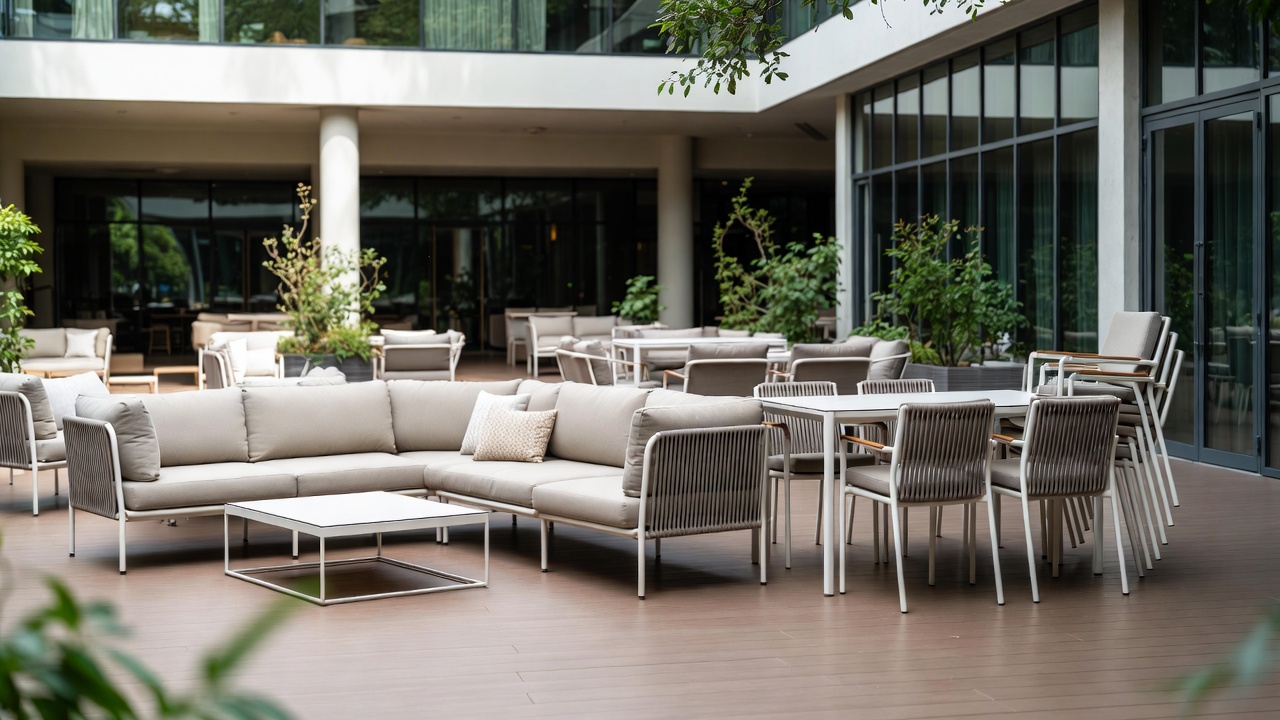
Modular outdoor furniture—reconfigurable sofas, stackable lounge chairs, and extendable tables—lets hotel staff adapt layouts in minutes rather than hours. A morning yoga session on a spacious terrace can seamlessly shift into an evening cocktail reception or a formal dinner setup. This level of flexibility is especially valuable in luxury hotels where event spaces serve multiple purposes daily, helping maximize bookings and revenue while maintaining the high-end aesthetic guests expect from premium properties.


Boost ROI with Sustainable and Durable Luxury Garden Furniture

Sustainability and cost-efficiency are top priorities in 2026, and modular luxury garden furniture delivers both. Crafted from FSC-certified teak, recycled aluminum, and high-performance fabrics, these pieces are built to withstand heavy use and harsh weather while reducing replacement frequency. Hotels benefit from lower long-term maintenance costs and appeal to eco-conscious travelers. Industry reports show that sustainable, multifunctional designs are driving growth in the luxury hospitality segment, making modular furniture a smart investment with strong ROI.


Create Stunning, Instagram-Worthy Spaces with Versatile Luxury Hotel Furniture

In an era where social media drives bookings, modular luxury hotel furniture helps create photogenic, adaptable event spaces that guests love to share. Curved modular lounges, earthy neutrals, and clean lines blend seamlessly with biophilic design trends, turning ordinary terraces into captivating backdrops. Hotels using modular systems report higher engagement on platforms like Instagram, as guests capture and tag their memorable experiences—effectively turning attendees into brand ambassadors.


Why Europe’s Top Luxury Hotels Are Switching to Modular Designs in 2026

Market data confirms the shift: Europe’s outdoor furniture sector is valued at USD 4.4 billion in 2026 and growing steadily, with modular and sustainable pieces leading demand in hospitality. Luxury properties in cities like Paris, Milan, and London are adopting modular luxury outdoor furniture to optimize limited urban space and meet guest expectations for personalized, nature-connected experiences. Experts note that modular designs not only future-proof venues but also position hotels as innovative leaders in the competitive luxury market.

In summary, modular outdoor furniture is no longer a nice-to-have—it’s a must-have for luxury hotel event spaces in 2026. By combining unmatched versatility, sustainability, visual appeal, and strong financial returns, these designs help properties stand out, delight guests, and drive repeat business. Ready to rethink your outdoor event areas? Share this post with your team and let us know in the comments: Which modular piece would transform your hotel’s terrace the most?

Hotel Lobby Sofa vs Lounge Seating: What Works Best for Luxury Hotels?

The hotel lobby is no longer a space guests simply pass through. It has evolved into a social hub, waiting lounge, meeting point, and first emotional connection with the brand. For hotel owners across Europe, choosing between a hotel lobby sofa and loose lounge seating is a strategic decision that directly affects guest flow, comfort, and perceived luxury.

Both options sit at the core of modern hotel lobby furniture planning, yet they serve different purposes. Understanding how each performs within a luxury hospitality environment helps owners make informed, brand-aligned choices.


The Role of Seating in Luxury Lobby Design

Seating defines how guests interact with a lobby. It controls movement, dwell time, and even social behaviour. Well-planned luxury hotel furniture encourages guests to relax, wait comfortably, or engage in conversation without feeling crowded or disconnected.

From a design perspective, seating must balance aesthetics with function. A visually impressive lobby that lacks comfortable seating quickly loses its appeal, while an overfurnished space can feel cluttered and restrictive.


Hotel Lobby Sofa: Structure, Comfort, and Visual Impact

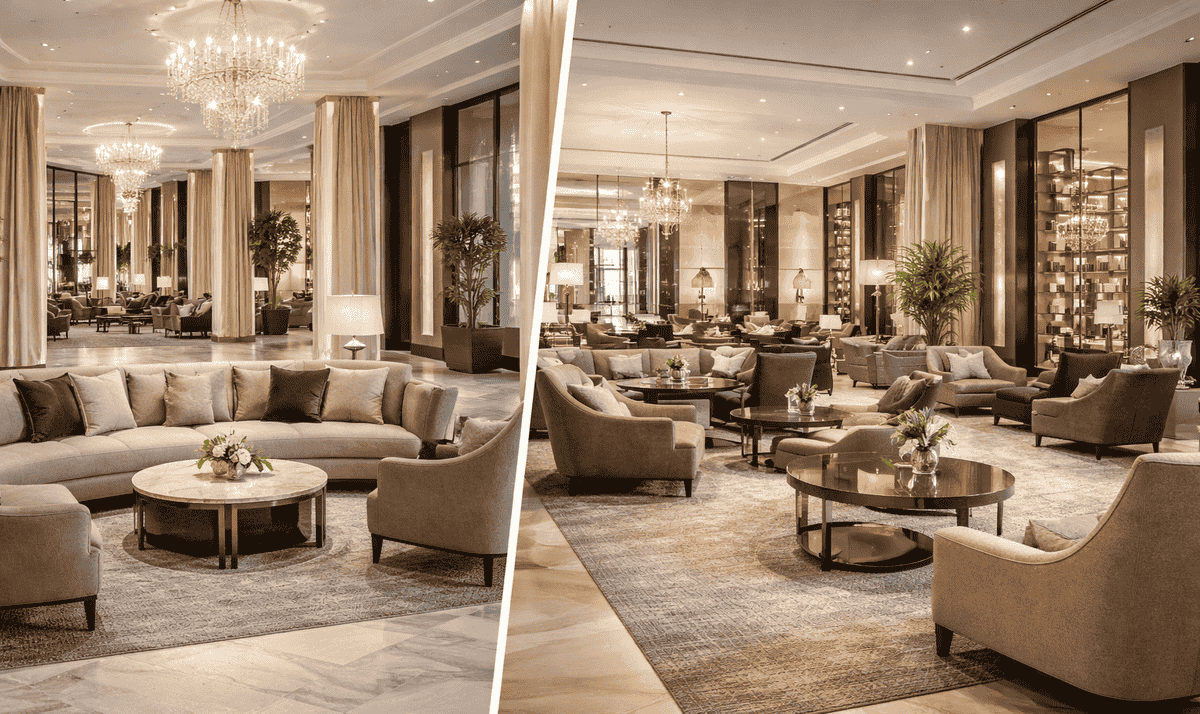
A hotel lobby sofa creates a strong sense of structure within the space. Sofas naturally anchor seating zones, making large lobbies feel organised and intentional. In luxury hotels, sofas often become the visual centrepiece of the lobby.

Key advantages of a hotel lobby sofa include:

  • Clear definition of seating areas
  • Consistent comfort across multiple guests
  • Strong visual presence that enhances perceived luxury

From a guest perspective, a well-designed hotel lobby sofa communicates stability and refinement. It encourages longer stays, casual meetings, and relaxed waiting—particularly important for premium and boutique hotels where atmosphere matters.


Lounge Seating: Flexibility and Spatial Freedom

Loose lounge seating typically includes individual armchairs, accent chairs, and side tables. This approach offers flexibility, especially in lobbies that serve multiple functions throughout the day.

Benefits of lounge seating include:

  • Easier reconfiguration for events or seasonal changes
  • Greater sense of openness in smaller lobbies
  • More personal seating experiences for individual guests

When integrated thoughtfully, lounge seating complements hotel lobby furniture layouts that prioritise movement and adaptability. However, without careful planning, it can lack cohesion and feel visually fragmented in larger luxury spaces.


Space Planning: Sofa Zones vs Scattered Seating

Space planning is where the real comparison begins. A hotel lobby sofa works best in medium to large lobbies where defined zones enhance flow. Sofas naturally guide guests, reducing confusion and creating intuitive circulation paths.

Loose lounge seating suits:

  • Compact boutique hotel lobbies
  • Multi-purpose spaces requiring flexibility
  • Informal, lifestyle-oriented hotel concepts

For luxury hotels, a hybrid approach is often the most effective—using a central hotel lobby sofa as an anchor, supported by complementary lounge chairs to soften transitions.


Guest Flow and Movement Efficiency

Guest flow is a critical operational factor. Poor seating placement can obstruct pathways, cause congestion, or create awkward circulation. A strategically positioned hotel lobby sofa helps channel movement while offering clear resting points.

Lounge seating, when scattered without intention, may disrupt flow. In contrast, structured luxury hotel furniture layouts improve navigation and maintain visual calm—an essential quality in high-end hospitality environments.


Perceived Luxury: Visual Weight vs Personal Comfort

Perceived luxury is shaped by scale, proportion, and material quality. A large, well-crafted hotel lobby sofa instantly signals investment and permanence. It reflects confidence and brand maturity, particularly in premium hotels.

Lounge seating, while comfortable, relies heavily on design consistency to achieve the same effect. Mismatched or lightweight pieces can dilute the luxury message if not curated carefully.

For European luxury hotels, guests often associate sofas with grandeur and reliability, while lounge chairs feel more casual and residential.


Boutique Hotels: Choosing the Right Balance

Boutique hotels face a unique challenge. Their lobbies are often smaller, yet expectations remain high. In these spaces, a compact hotel lobby sofa can provide structure without overwhelming the room.

Pairing a sofa with select lounge seating allows boutique hotels to:

  • Maintain intimacy
  • Offer varied seating experiences
  • Preserve visual harmony

This balance ensures hotel lobby furniture supports both brand storytelling and guest comfort.


Long-Term Value and Maintenance Considerations

From an ownership perspective, durability and maintenance matter. A high-quality hotel lobby sofa typically offers better long-term value due to uniform wear and easier upholstery management.

Loose lounge seating may require more frequent replacement due to uneven usage. Investing in durable luxury hotel furniture ensures visual consistency and reduces operational costs over time.


Conclusion: Which Seating Works Best?

There is no universal answer—but there is a strategic one. A hotel lobby sofa excels at creating structure, comfort, and a strong luxury impression. Lounge seating offers flexibility and intimacy when used intentionally.

For luxury, boutique, and premium hotels across Europe, the most effective solution often combines both. Anchoring the lobby with a statement hotel lobby sofa, supported by carefully selected lounge seating, delivers balance, efficiency, and refined elegance.

When hotel lobby furniture aligns with space planning and brand identity, the lobby becomes more than an entrance—it becomes an experience.