Climate-Resilient Luxury: Outdoor Furniture That Adapts to Extreme Weather in 2026

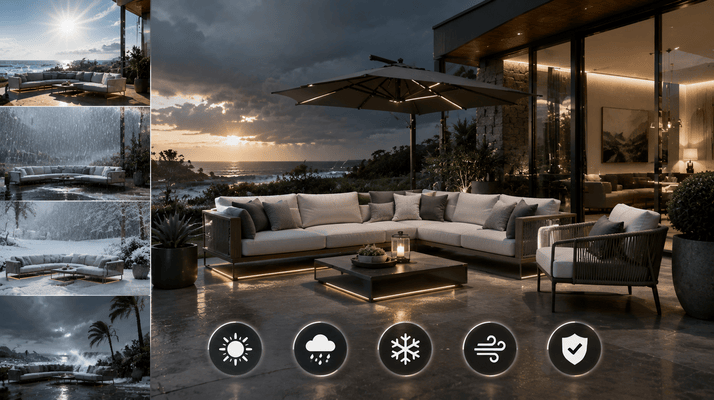
The definition of luxury living has fundamentally shifted. For years, designing an elite terrace or resort poolside was strictly about aesthetics—bringing the plush, sophisticated comfort of the indoor living room out into the open air. However, as global weather patterns present more frequent heat waves, unpredictable torrential downpours, and intense UV exposure, visual appeal is no longer enough.

In 2026, true luxury is defined by resilience. Today’s high-end consumers and elite commercial properties demand pieces that preserve their flawless look while braving environmental extremes. To understand how the industry is meeting this demand, we interviewed leading hospitality designers to uncover how the latest innovations in weatherproof outdoor furniture are redefining open-air spaces.


The New Engineering of All-Weather Elegance

“We are no longer just designing furniture; we are engineering micro-architectures that interact with changing microclimates,” explains architectural designer Elena Rossi. Rossi notes that high-end clients refuse to compromise on tactile comfort, yet they expect their investments to survive brutal summers and heavy monsoons.

The solution lies in advanced material science. High-gloss finishes and delicate natural wickers have been replaced by ultra-durable alternatives.


Sourcing Materials Built for Extremes

  • Marine-Grade Metals: Powder-coated, marine-grade aluminum and sandblasted stainless steel form the structural foundation for premium collections. These metals completely resist corrosion, ensuring that luxury hotel patio furniture handles coastal salt air or high humidity without structural degradation.
  • High-Density Polymers & Performance Weaves: Natural rattan has evolved into high-density polyethylene (HDPE) synthetic fibers and UV-stabilized olefin cords. These materials are hand-woven to mirror the warmth of organic fibers while remaining completely impervious to fading, splitting, or water absorption.
  • Thermally Modified Hardwoods: While grade-A Indonesian teak remains an industry golden standard due to its natural, self-protecting oils, thermally modified ash has emerged as a sustainable powerhouse. The thermal treatment alters the wood’s cellular structure, rendering it non-porous and highly resistant to warping under extreme heat.

Hospitality Standards Coming to Residential Spaces

The boundary between commercial resorts and private residences has officially dissolved. Homeowners are increasingly looking to premium hotel outdoor furniture specifications to guarantee longevity for their private oases.

Commercial spaces require furniture that handles high traffic and constant exposure to intense sun, pool chemicals, and heavy rain. Luxury residential buyers are adopting these exact procurement habits—investing in heavy, wind-resistant silhouettes and fast-drying foam technologies that allow cushions to dry completely within minutes of a heavy downpour.

Material Group Weather Defense 2026 Design Aesthetic
Powder-Coated Aluminum Zero rust, high wind stability Matte charcoal, sage, and sand-beige frames
UV-Stabilized HDPE Rope Won’t fade or crack in 40°C+ heat Thick, architectural basket-weave patterns
Solution-Dyed Acrylics Hydrophobic, mold-resistant Textured bouclés and stone-washed linen finishes


Designing With a Low-Profile, High-Impact Aesthetic

The visual trend for 2026 focuses on low-slung, modular systems that blend naturally into the surrounding landscape. Instead of rigid structures, designers are favoring soft, flowing lines and deep-seating configurations.

Color palettes have shifted away from stark, clinical whites toward warm, earth-rooted tones like olive green, terracottas, and sun-softened neutrals. These muted shades are intentional; they naturally reflect harsh sunlight to reduce heat retention, ensuring that surfaces remain comfortable to the touch even during peak afternoon hours.

Furthermore, these systems offer immense flexibility. Modular luxury setups allow properties to easily reconfigure layouts based on shifting seasonal winds or specific event needs, combining structural lightness with heavy-duty environmental defense.


Protecting Your Open-Air Investment

Even the most resilient, premium-grade materials benefit from strategic care. To maintain the showroom look of your luxury setup through the off-season, brief maintenance checks are key.

  • Post-Season Wash: Wipe down metal and woven frames with a mild, non-abrasive soap once a quarter to remove salt and pollution residues.
  • Cushion Care: While high-performance fabrics naturally repel water, storing cushions in a ventilated deck box during extended periods of severe storms prevents long-term debris buildup.
  • Annual Touch-ups: For wooden components like teak, applying a light coat of protective sealer once a year helps retain its signature warm honey hue, though letting it naturally weather to a classic silver-gray is an equally stunning luxury choice.

What’s the biggest weather challenge for your outdoor area?

Whether you are managing an expansive resort terrace or curating a private backyard oasis, choosing the right material combination can save you from replacing damaged sets year after year. Investing in high-performance, climate-resilient pieces guarantees that your open-air sanctuary remains beautiful, functional, and deeply inviting, no matter what the horizon brings.
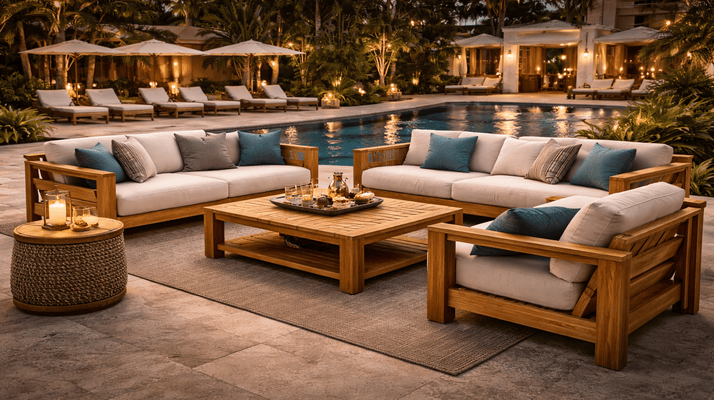
Modern vs Classic Hotel Pool Lounge Chairs: Which Style Fits Your Resort?

Outdoor spaces have become central to the luxury hospitality experience. Guests no longer view the poolside as a secondary feature—it is now a defining part of their stay. The choice between modern and classic hotel pool lounge chairs plays a crucial role in shaping how guests perceive comfort, design, and overall atmosphere.

For hotel owners and resort developers, selecting the right style is not just about aesthetics. It is about aligning hotel pool furniture with brand identity, guest expectations, and long-term usability. Both modern and classic styles offer unique advantages, and understanding their differences helps create a more intentional outdoor environment.


Why Poolside Design Matters in Luxury Hospitality

Pool areas are among the most photographed and shared spaces in a hotel. They are where guests relax, socialize, and spend extended periods throughout the day. Comfortable and well-designed hotel pool chairs can influence how long guests stay outdoors and how they interact with the space.

A cohesive poolside design enhances the visual appeal of the property while supporting functionality. The right hotel pool furniture ensures that the pool area feels inviting, balanced, and aligned with the overall design narrative of the hotel.


The Appeal of Modern Hotel Pool Lounge Chairs

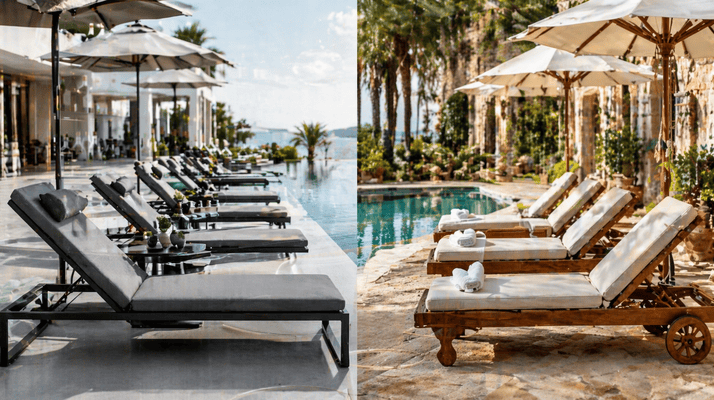
Modern design focuses on simplicity, clean lines, and functional elegance. Modern outdoor furniture often features minimalist silhouettes, neutral tones, and innovative materials that suit contemporary resorts and urban hotels.

Modern hotel pool lounge chairs are typically:

  • Sleek in form with low-profile structures
  • Built with lightweight yet durable materials
  • Designed for easy maintenance and flexibility

This style works particularly well in properties that emphasize sophistication and modern luxury. Resorts targeting younger or design-conscious guests often prefer modern hotel pool chairs because they create a calm and uncluttered visual experience.

Another advantage of modern design is adaptability. Minimalist hotel pool furniture can be easily paired with different textures, cushions, and accessories, allowing hotels to refresh the look without changing core pieces.


The Timeless Charm of Classic Resort Lounge Chairs

Classic styles draw inspiration from traditional resort aesthetics. They often incorporate warm tones, textured finishes, and more detailed craftsmanship. Classic hotel pool lounge chairs create a sense of familiarity and comfort that appeals to a broad audience.

Key features of classic designs include:

  • Rich materials such as wood or woven textures
  • Slightly more structured and decorative frames
  • A welcoming, relaxed resort feel

Classic hotel pool chairs are especially suitable for heritage properties, beach resorts, and Mediterranean-style hotels. They convey a sense of tradition and relaxation, which many luxury travelers associate with a premium holiday experience.

Unlike modern styles, classic hotel pool furniture often emphasizes comfort through deeper seating and softer visual appeal, making it ideal for leisure-focused environments.


Matching Style with Brand Identity

Choosing between modern and classic hotel pool lounge chairs should always reflect the identity of the property. A contemporary city hotel benefits from sleek, minimalist furniture, while a traditional resort may feel more authentic with classic designs.

Consider the following:

  • Modern style aligns with innovation, simplicity, and urban luxury
  • Classic style aligns with heritage, comfort, and timeless elegance

Consistency is key. Poolside furniture should complement other outdoor elements such as landscaping, lighting, and architectural details. When hotel pool furniture aligns with the brand story, it creates a more immersive guest experience.


Guest Expectations and Comfort

Comfort remains the most important factor regardless of style. Guests expect hotel pool chairs to support relaxation over extended periods. Ergonomic design, adjustable features, and durable materials are essential in both modern and classic options.

Modern hotel pool lounge chairs often provide streamlined comfort with adjustable backrests, while classic styles focus on a more cushioned and inviting feel. The choice depends on how guests are expected to use the space.

Luxury hospitality requires balancing visual appeal with physical comfort. High-quality hotel pool furniture ensures that guests feel relaxed and valued.


Durability and Maintenance Considerations

Outdoor environments demand resilient materials. Exposure to sunlight, moisture, and frequent use requires furniture that maintains both structure and appearance over time.

Modern hotel pool furniture typically uses advanced materials designed for weather resistance and low maintenance. Classic designs, while visually appealing, may require more attention depending on the materials used.

Selecting durable hotel pool lounge chairs helps reduce maintenance efforts and ensures long-term performance, making them a practical investment for hotel owners.


Can You Combine Modern and Classic Styles?

Many resorts are now blending both styles to create a distinctive look. Combining modern hotel pool lounge chairs with classic accents can result in a balanced and unique outdoor space.

For example, minimalist loungers paired with textured cushions or traditional side tables can create visual contrast while maintaining harmony. This approach allows hotels to stand out without committing fully to one style.


Conclusion: Finding the Right Balance

There is no single answer to which style is better. Both modern and classic hotel pool lounge chairs offer valuable design advantages. The key is understanding the brand, guest expectations, and overall atmosphere you want to create.

Modern designs bring clarity and sophistication, while classic styles offer warmth and familiarity. When chosen thoughtfully, the right hotel pool furniture enhances guest experience, strengthens brand identity, and elevates the overall appeal of the resort.

For hotel owners, the most effective approach is not to follow trends blindly, but to create a consistent and comfortable environment where guests naturally want to relax and stay longer.

Sustainable Luxury Hotel Pool Furniture: Handcrafted Teak and Recycled Materials That Last Decades

In the modern hospitality landscape, luxury is no longer defined solely by opulence, but by responsibility. As global travelers become increasingly eco-conscious, the demand for hotel pool furniture that respects the environment without sacrificing style has reached an all-time high.

The challenge for high-end resorts is finding that perfect intersection where sustainability meets the timeless glamour of Art Déco or Neoclassical design. By focusing on handcrafted teak and innovative recycled composites, properties can invest in a future that looks as good as it feels.

The Gold Standard: Sustainably Sourced Handcrafted Teak

Teak has long been the preferred choice for hotel outdoor furniture due to its natural oils and incredible density. However, not all wood is created equal. Sustainable luxury relies on FSC-certified (Forest Stewardship Council) teak, ensuring that every piece of furniture supports responsible forest management.

When teak is handcrafted into Neoclassical silhouettes—featuring elegant tapered legs and subtle carvings—it provides a warmth and character that synthetic materials simply cannot replicate. These hotel pool chairs don’t just sit on a deck; they age gracefully, developing a sophisticated silver patina that speaks to the history and longevity of the property.

Eco-Friendly Composites: The New Age of Art Déco

While wood remains a classic, 2026 has seen a surge in high-end eco-friendly composites. These materials often utilize ocean-bound plastics and recycled resins to create sleek, high-gloss finishes reminiscent of the Art Déco era.

Imagine hotel pool lounge chairs with bold, geometric lines and smooth, ivory-like surfaces. These pieces offer the visual weight and premium feel of traditional materials while diverting waste from our ecosystems. These composites are non-porous and incredibly easy to sanitize, making them an ideal choice for high-traffic poolside environments.

Balancing Green Credentials with Timeless Glamour

The misconception that “green” furniture looks rustic or “DIY” is a thing of the past. Sustainable hotel pool furniture today is indistinguishable from the most expensive bespoke collections.

By utilizing traditional joinery techniques and artisan craftsmanship, eco-friendly pieces maintain the structural integrity required for commercial use. Whether it is a grand poolside table with an ornate pedestal base or minimalist hotel pool chairs, the focus remains on “slow furniture”—pieces designed to be maintained and repaired rather than replaced every three seasons.

The Longevity Dividend: Decades of Performance

Sustainability is inherently linked to durability. A product that lasts twenty years is infinitely better for the planet than a “budget” option that ends up in a landfill after twenty months.

Premium hotel outdoor furniture built from high-grade teak or recycled composites is engineered to withstand:

  • Extreme UV exposure without warping.
  • Constant moisture and chlorine splashes.
  • Heavy daily use by diverse guest demographics.

This longevity offers significant long-term savings by reducing the frequency of procurement cycles. Investing in quality once means avoiding the logistical and environmental costs of constant replacement.

Certifications That Build Guest Trust

Transparency is the currency of the modern guest. Displaying certifications like Greenguard Gold or Cradle to Cradle for your hotel pool lounge chairs provides a narrative of care.

When guests lounge by the water, knowing that the furniture beneath them was created without toxic glues or endangered timbers, their relaxation is deepened. It fosters a sense of alignment between the guest’s personal values and the hotel’s brand identity, often sparking positive reviews and word-of-mouth recommendations.

Maintenance and the “Before/After” Story

One of the most engaging aspects of sustainable materials like teak is their ability to be restored. Unlike plastic furniture that becomes brittle and dull, handcrafted hotel outdoor furniture can be sanded and oiled to look brand new.

Sharing these “durability stories” with your audience—showing a chair after ten years of service vs. a freshly restored piece—proves the value of the investment. It highlights a commitment to craftsmanship and stewardship that resonates with sophisticated travelers who appreciate the “old world” approach to quality.

Conclusion: A Greener Vision for the Poolside

The shift toward sustainable luxury is a permanent evolution in design. By choosing hotel pool furniture that prioritizes recycled materials and responsibly sourced woods, hoteliers are making a statement about their brand’s longevity and ethics.

The result is a poolside environment that feels curated, luxurious, and deeply connected to the natural world. As we look toward the future of hospitality, the most successful properties will be those that realize the most beautiful furniture is the kind that protects the environment it inhabits.

The Essential Guide to Materials: What to Look for in Hotel Outdoor Furniture

For the discerning hotel owner, the outdoor space is not merely an extension of the property; it is a strategic asset. It is the setting for first impressions, guest relaxation, and premium al fresco dining. However, the wrong choice in hotel outdoor furniture can lead to rapid deterioration, safety hazards, and a tarnished brand image. Selecting the right materials is therefore not just a design decision—it is an operational and financial imperative. This guide cuts through the noise to outline exactly what to look for when sourcing hotel patio furniture for your European property.

The High-Stakes Challenge of the Outdoors

Unlike residential gardens, your furniture must withstand a relentless cycle of use, weather, and cleaning. The best outdoor furniture materials for a luxury hotel in the South of France will differ from those needed for a ski resort in the Alps. Your investment must resist UV radiation, rain, wind, and temperature fluctuations while remaining comfortable and aesthetically flawless. Understanding material science is the key to achieving this balance.

The Gold Standard: Materials That Perform

When evaluating options, focus on these core categories of weather resistant hotel furniture:

  1. Premium Hardwoods (Especially Teak): For a classic, timeless look, plantation-grown teak is the undisputed champion. Its high natural oil content makes it impervious to rot, insects, and moisture. It weathers gracefully to a silver patina, or can be maintained with oils to preserve its honey-brown hue. For a European audience that values sustainability and longevity, FSC-certified teak is a powerful selling point.
  2. High-Grade Aluminum (Not Just Any Metal): For sleek, modern lines, look for powder-coated, marine-grade or architectural aluminum. It is incredibly lightweight for easy housekeeping rearrangement yet structurally sound. Crucially, it is rust-proof, making it ideal for poolside or coastal locations. The powder-coating process ensures the finish stays flawless against the elements.
  3. Synthetic Woven Fibers (HDPE or Resin): The natural look of wicker remains popular for a relaxed vibe, but natural wicker has no place in a commercial setting. Instead, demand high-density polyethylene (HDPE) or virgin resin wicker. These materials are UV-stabilized to prevent fading and cracking, are completely waterproof, and easy to sanitize—a non-negotiable for modern hygiene standards.
  4. Performance Fabrics (Solution-Dyed Acrylic): The cushions are the first thing to fail on inferior hotel patio furniture. Specify fabrics made from solution-dyed acrylic (brands like Sunbrella are the benchmark). Here, the color is part of the fiber itself, not just coated on top, ensuring it resists fading, mold, and mildew. These fabrics are also quick-drying and can be cleaned with mild soap and water.

Making the Strategic Choice

The best materials for hotel outdoor furniture are those that align with your specific concept and climate. Don’t be swayed by low-cost imitations. A cheap resin wicker will become brittle and snap; a low-grade steel will rust and stain your terraces.

Invest in materials engineered for the rigors of hospitality. By prioritizing structural integrity, weather resistance, and timeless design, you ensure your outdoor furniture remains a profit-generating asset that enhances your brand for years to come. At Hotel-Furniture.store, we specialize in curating and custom crafting pieces that meet these exacting standards, ensuring your outdoor spaces are always guest-ready.

Why Modular Outdoor Furniture is the Game-Changer for Luxury Hotel Event Spaces

In today’s fast-paced hospitality industry, luxury hotel event spaces must deliver flexibility, elegance, and unforgettable experiences. Modular outdoor furniture has emerged as the ultimate solution for hoteliers seeking to transform terraces, rooftops, poolside areas, and gardens into versatile venues. As 2026 trends emphasize adaptability and sustainability, luxury outdoor furniture with modular designs allows hotels to quickly reconfigure spaces for weddings, corporate events, wellness retreats, or intimate dinners—without compromising on sophistication. This post explores why modular luxury hotel furniture is revolutionizing event spaces, backed by market insights and real-world benefits.


Modular Luxury Outdoor Furniture: The Secret to Effortless Event Transformations

Modular outdoor furniture—reconfigurable sofas, stackable lounge chairs, and extendable tables—lets hotel staff adapt layouts in minutes rather than hours. A morning yoga session on a spacious terrace can seamlessly shift into an evening cocktail reception or a formal dinner setup. This level of flexibility is especially valuable in luxury hotels where event spaces serve multiple purposes daily, helping maximize bookings and revenue while maintaining the high-end aesthetic guests expect from premium properties.


Boost ROI with Sustainable and Durable Luxury Garden Furniture

Sustainability and cost-efficiency are top priorities in 2026, and modular luxury garden furniture delivers both. Crafted from FSC-certified teak, recycled aluminum, and high-performance fabrics, these pieces are built to withstand heavy use and harsh weather while reducing replacement frequency. Hotels benefit from lower long-term maintenance costs and appeal to eco-conscious travelers. Industry reports show that sustainable, multifunctional designs are driving growth in the luxury hospitality segment, making modular furniture a smart investment with strong ROI.


Create Stunning, Instagram-Worthy Spaces with Versatile Luxury Hotel Furniture

In an era where social media drives bookings, modular luxury hotel furniture helps create photogenic, adaptable event spaces that guests love to share. Curved modular lounges, earthy neutrals, and clean lines blend seamlessly with biophilic design trends, turning ordinary terraces into captivating backdrops. Hotels using modular systems report higher engagement on platforms like Instagram, as guests capture and tag their memorable experiences—effectively turning attendees into brand ambassadors.


Why Europe’s Top Luxury Hotels Are Switching to Modular Designs in 2026

Market data confirms the shift: Europe’s outdoor furniture sector is valued at USD 4.4 billion in 2026 and growing steadily, with modular and sustainable pieces leading demand in hospitality. Luxury properties in cities like Paris, Milan, and London are adopting modular luxury outdoor furniture to optimize limited urban space and meet guest expectations for personalized, nature-connected experiences. Experts note that modular designs not only future-proof venues but also position hotels as innovative leaders in the competitive luxury market.

In summary, modular outdoor furniture is no longer a nice-to-have—it’s a must-have for luxury hotel event spaces in 2026. By combining unmatched versatility, sustainability, visual appeal, and strong financial returns, these designs help properties stand out, delight guests, and drive repeat business. Ready to rethink your outdoor event areas? Share this post with your team and let us know in the comments: Which modular piece would transform your hotel’s terrace the most?