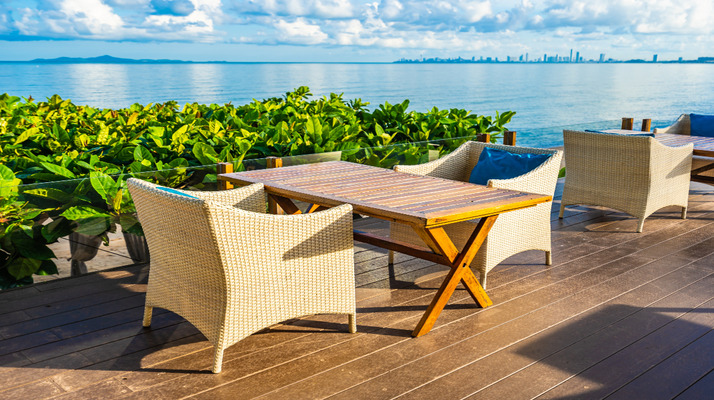
For the discerning hotel owner, the outdoor space is not merely an extension of the property; it is a strategic asset. It is the setting for first impressions, guest relaxation, and premium al fresco dining. However, the wrong choice in hotel outdoor furniture can lead to rapid deterioration, safety hazards, and a tarnished brand image. Selecting the right materials is therefore not just a design decision—it is an operational and financial imperative. This guide cuts through the noise to outline exactly what to look for when sourcing hotel patio furniture for your European property.
The High-Stakes Challenge of the Outdoors
Unlike residential gardens, your furniture must withstand a relentless cycle of use, weather, and cleaning. The best outdoor furniture materials for a luxury hotel in the South of France will differ from those needed for a ski resort in the Alps. Your investment must resist UV radiation, rain, wind, and temperature fluctuations while remaining comfortable and aesthetically flawless. Understanding material science is the key to achieving this balance.
The Gold Standard: Materials That Perform
When evaluating options, focus on these core categories of weather resistant hotel furniture:
- Premium Hardwoods (Especially Teak): For a classic, timeless look, plantation-grown teak is the undisputed champion. Its high natural oil content makes it impervious to rot, insects, and moisture. It weathers gracefully to a silver patina, or can be maintained with oils to preserve its honey-brown hue. For a European audience that values sustainability and longevity, FSC-certified teak is a powerful selling point.
- High-Grade Aluminum (Not Just Any Metal): For sleek, modern lines, look for powder-coated, marine-grade or architectural aluminum. It is incredibly lightweight for easy housekeeping rearrangement yet structurally sound. Crucially, it is rust-proof, making it ideal for poolside or coastal locations. The powder-coating process ensures the finish stays flawless against the elements.
- Synthetic Woven Fibers (HDPE or Resin): The natural look of wicker remains popular for a relaxed vibe, but natural wicker has no place in a commercial setting. Instead, demand high-density polyethylene (HDPE) or virgin resin wicker. These materials are UV-stabilized to prevent fading and cracking, are completely waterproof, and easy to sanitize—a non-negotiable for modern hygiene standards.
- Performance Fabrics (Solution-Dyed Acrylic): The cushions are the first thing to fail on inferior hotel patio furniture. Specify fabrics made from solution-dyed acrylic (brands like Sunbrella are the benchmark). Here, the color is part of the fiber itself, not just coated on top, ensuring it resists fading, mold, and mildew. These fabrics are also quick-drying and can be cleaned with mild soap and water.
Making the Strategic Choice
The best materials for hotel outdoor furniture are those that align with your specific concept and climate. Don’t be swayed by low-cost imitations. A cheap resin wicker will become brittle and snap; a low-grade steel will rust and stain your terraces.
Invest in materials engineered for the rigors of hospitality. By prioritizing structural integrity, weather resistance, and timeless design, you ensure your outdoor furniture remains a profit-generating asset that enhances your brand for years to come. At Hotel-Furniture.store, we specialize in curating and custom crafting pieces that meet these exacting standards, ensuring your outdoor spaces are always guest-ready.