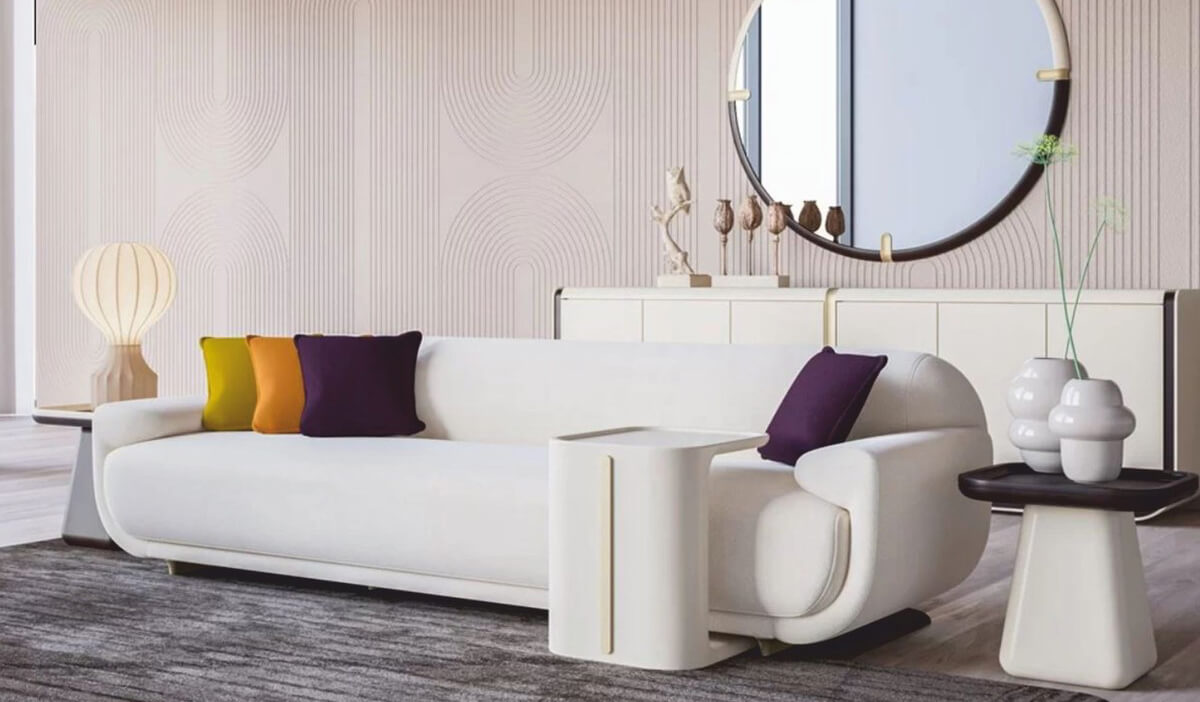
How modular furniture minimizes downtime.

Hotel operations depend on efficiency. Even minor delays in room turnovers, lobby resets, or restaurant layouts can affect guest satisfaction. Modular furniture has emerged as a key solution—offering flexibility, speed, and cost efficiency without compromising style.

1. The Hospitality Industry’s Need for Adaptability

Hotels must adjust layouts constantly:

  • Events and conferences

  • Seasonal demands

  • Guest preferences

  • Maintenance or repair issues

Traditional fixed furniture slows down operations. Modular solutions ensure rapid adaptation.

2. Quick-Swap Components Reduce Service Interruptions

Modular pieces are engineered with interchangeable parts, allowing teams to perform replacements or reconfigurations in minutes.

Examples include:

  • Swapable tabletops

  • Replaceable seat panels

  • Clip-on armrests

  • Magnetic joinery systems

  • Stackable or nestable units

This drastically reduces the time furniture spends out of service.

3. Magnetic Joinery: A Game-Changer

Magnetic joinery eliminates complex hardware and tools. Staff can connect or separate components quickly, ensuring:

  • Faster room reconfigurations

  • Reduced labor costs

  • Increased safety

  • More precise alignments

It is especially valuable in conferences, lounges, and banquet setups.

4. Enhancing Guest Experience Through Flexibility

Modular furniture supports evolving guest behaviors such as:

  • Remote work

  • Informal gatherings

  • Social dining

  • Hybrid event formats

Hotels can redesign a space within minutes to accommodate new demands.

5. Lower Long-Term Maintenance Costs

Modular systems allow selective replacement instead of full-unit replacement.

Benefits include:

  • Lower capital expenditure

  • Less waste

  • Simple housekeeping repairs

  • Extended furniture lifecycle

This aligns with both business goals and sustainability commitments.

6. Versatile Aesthetics for Modern Brands

Modular furniture fits seamlessly into diverse hotel design languages:

  • Minimalist

  • Modern luxury

  • Industrial

  • Nature-inspired

  • Boutique artisanal styles

Manufacturers now offer modular lines with premium materials like oak, marble composites, and brushed metal, ensuring flexibility without sacrificing aesthetic

Conclusion

Modular furniture is transforming hotel operations by minimizing downtime, reducing costs, and offering unmatched flexibility. With magnetic joinery and quick-swap components, engineering teams can refresh spaces overnight—ensuring hotels remain dynamic, efficient, and guest-ready at all times.
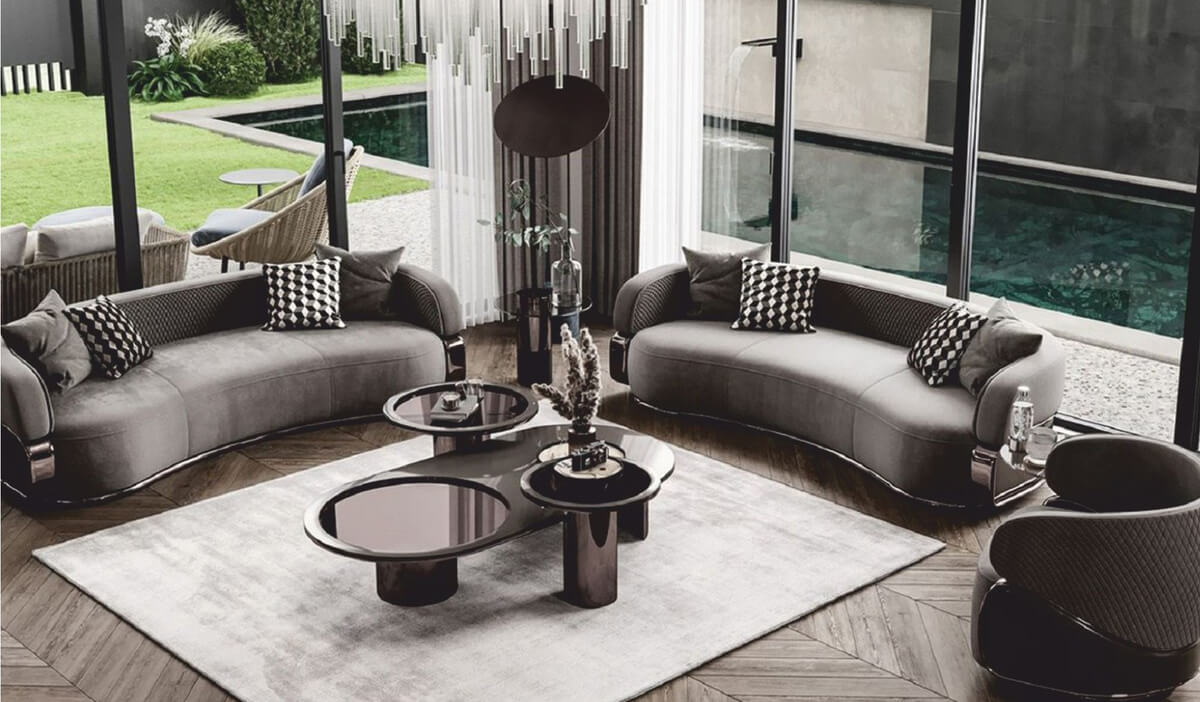
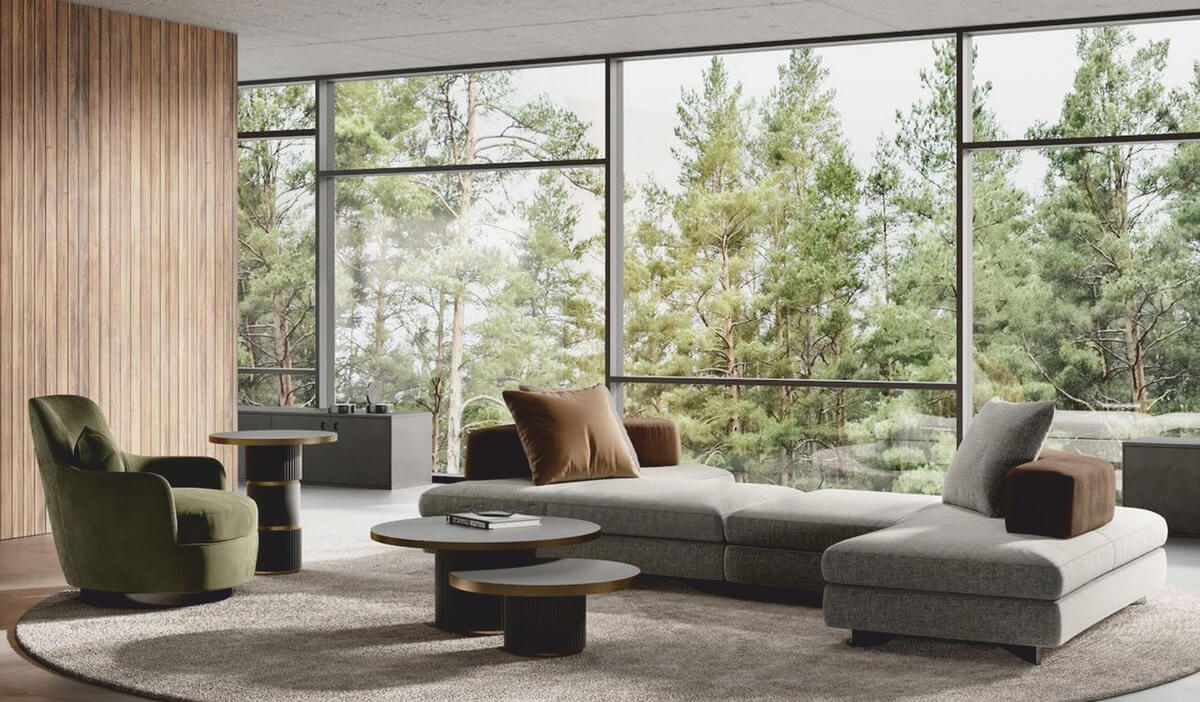
Eco-finishes that withstand housekeeping cycles.

The hospitality industry faces a unique challenge: creating beautiful interiors that can survive rigorous daily housekeeping routines. In 2025, designers are turning to eco-friendly finishes that combine durability with sustainability. The goal is simple—limit environmental impact without sacrificing performance.

1. Why Finishes Matter in Hospitality

Hotel furniture and surfaces endure far more wear than residential spaces. They are exposed to:

  • Frequent cleaning

  • Commercial-grade disinfectants

  • High guest turnover

  • Spills, stains, and abrasion

Traditional finishes often degrade quickly, requiring costly replacements. Eco-finishes offer a more resilient alternative.

2. Water-Based Lacquers: The New Standard

Eight advanced water-based lacquer systems were tested to find the balance between:

  • Durability

  • Low VOC emissions

  • Gloss retention

  • Scratch resistance

These lacquers outperform older solvent-based options while greatly reducing environmental toxins.

Benefits include:

  • Faster drying times

  • Improved air quality during application

  • Safer for workers and guests

  • Resistant to frequent cleaning and UV exposure

3. High-Performance Natural Oils

Natural oils like linseed, tung, and walnut oils have been reformulated to meet hotel-grade standards.

Modern oil finishes now offer:

  • Deep wood penetration for long-term protection

  • Resistance to alcohol and mild cleaners

  • Easy spot-repair options

  • A warm, matte aesthetic that fits biophilic design trends

These oils are ideal for boutique hotels aiming for an organic, handcrafted look.

4. Powder-Coated Metals for Sustainability

Metal furniture with powder coating continues to dominate both indoor and outdoor settings.

Why?

Because powder coating is:

  • VOC-free

  • Extremely durable

  • Resistant to chipping and corrosion

  • Low-maintenance for housekeeping teams

It also provides a consistent, elegant finish across large furniture inventories.

5. Bio-Resins & Plant-Based Composites

Innovative plant-derived resin technologies now produce finishes that rival petrochemical-based products.

They offer:

  • High impact resistance

  • Heat and moisture protection

  • Smooth, uniform surfaces

  • Compatibility with recycled wood substrates

Hotels committed to sustainability certifications benefit greatly from these cutting-edge materials.

6. Balancing Durability with Aesthetics

The sweet spot lies in finishes that endure commercial cleaning cycles while supporting the design identity of the hotel.

2025 eco-finishes successfully combine:

  • A luxurious tactile feel

  • Extended product lifespan

  • Environmentally responsible formulation

Conclusion

Eco-finishes are no longer niche—they are the future of hospitality furniture. With enhanced durability and reduced VOC emissions, these innovative materials allow hotels to achieve long-term performance while supporting global sustainability goals. Interior designers and procurement teams now have access to finishes that meet both aesthetic and environmental expectations.

Why curved silhouettes dominate 2025 lobbies.

In 2025, hotel lobbies have evolved beyond being simple waiting spaces—they have become immersive environments designed to influence mood, movement, and guest engagement. One of the most notable design shifts this year is the rise of curved silhouettes in furniture and architectural elements. These softened lines are not just visually appealing; they carry deep practical and psychological benefits.

1. The Psychology of Curves

Humans naturally respond positively to rounded forms. Research shows that curves evoke feelings of comfort, safety, and approachability. In contrast, sharp edges and angular lines may feel formal or even intimidating.

In high-traffic hotel environments, curves help achieve:

  • A more welcoming atmosphere

  • Reduced visual stress

  • A sense of flow and harmony

  • A softer, hospitality-driven aesthetic

2. Enhancing Spatial Flow

Curved furniture supports natural human movement. In bustling lobby areas, guests often move unpredictably—checking in, waiting, socializing, or simply passing through.

Soft radii encourage smoother circulation by:

  • Reducing bottlenecks around seating clusters

  • Guiding guests through transitional spaces

  • Creating intuitive pathways

  • Making furniture safer and more flexible in tight areas

This design approach subtly improves traffic flow while enhancing the overall guest experience.

3. Redefining Comfort & Dwell Time

Hotels thrive when guests feel encouraged to linger. Curved silhouettes create informal environments that increase “dwell time”—the amount of time guests naturally spend in a space.

Why? Because curves signal relaxation.

Rounded sofas, cocoon-style lounge chairs, and circular ottomans give a sense of enclosure without feeling restrictive. They invite conversation, work sessions, casual meetings, or solo relaxation.

4. Supporting Modern Luxury Trends

Luxury in 2025 is less about extravagance and more about effortless comfort. Curves align perfectly with this shift.

They complement materials like:

  • Plush upholstery

  • Natural woods

  • Soft metals

  • Neutral palettes

Curves pair seamlessly with biophilic design, acoustical elements, and warm, ambient lighting—key components of modern hospitality interiors.

5. Versatility Across Brand Identities

A major reason curves dominate lobby design is their ability to adapt to multiple hotel styles:

  • Boutique hotels → artistic, sculptural organic forms

  • Business hotels → minimal curved silhouettes promoting comfort

  • Luxury resorts → curvilinear seating that blends with natural themes

  • Urban hotels → modular curved seating for dynamic layouts

No matter the aesthetic, curves help unify the interior language.

Conclusion

Curved silhouettes are more than a trend—they represent a shift toward human-centric hospitality design. They enhance comfort, circulation, and emotional well-being while elevating modern interiors. As hotels continue to prioritize guest experience over rigid formality, curves will remain a defining feature of contemporary lobby spaces.