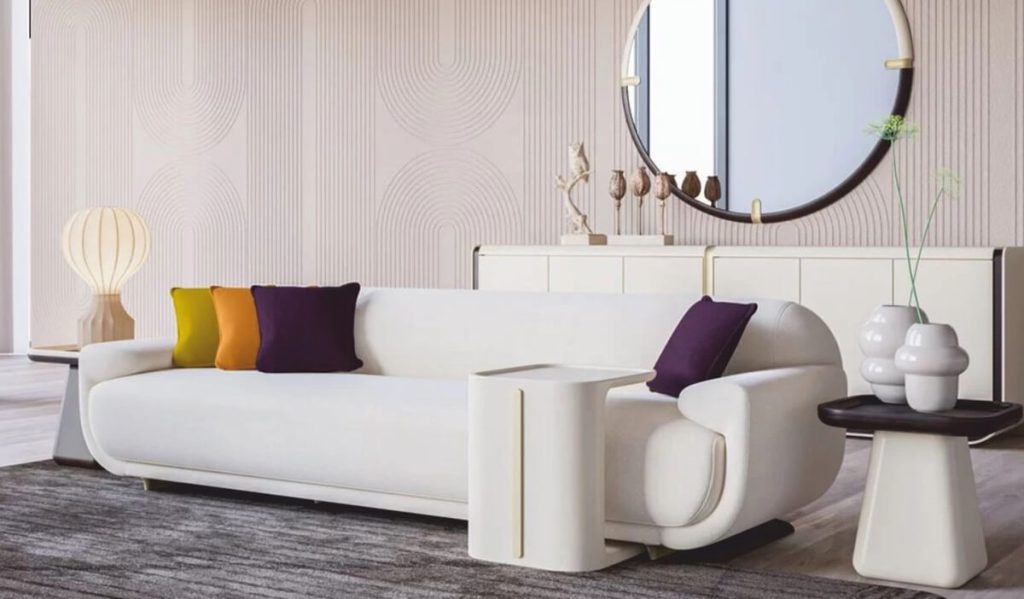
Hotel operations depend on efficiency. Even minor delays in room turnovers, lobby resets, or restaurant layouts can affect guest satisfaction. Modular furniture has emerged as a key solution—offering flexibility, speed, and cost efficiency without compromising style.
1. The Hospitality Industry’s Need for Adaptability
Hotels must adjust layouts constantly:
-
Events and conferences
-
Seasonal demands
-
Guest preferences
-
Maintenance or repair issues
Traditional fixed furniture slows down operations. Modular solutions ensure rapid adaptation.
2. Quick-Swap Components Reduce Service Interruptions
Modular pieces are engineered with interchangeable parts, allowing teams to perform replacements or reconfigurations in minutes.
Examples include:
-
Swapable tabletops
-
Replaceable seat panels
-
Clip-on armrests
-
Magnetic joinery systems
-
Stackable or nestable units
This drastically reduces the time furniture spends out of service.
3. Magnetic Joinery: A Game-Changer
Magnetic joinery eliminates complex hardware and tools. Staff can connect or separate components quickly, ensuring:
-
Faster room reconfigurations
-
Reduced labor costs
-
Increased safety
-
More precise alignments
It is especially valuable in conferences, lounges, and banquet setups.
4. Enhancing Guest Experience Through Flexibility
Modular furniture supports evolving guest behaviors such as:
-
Remote work
-
Informal gatherings
-
Social dining
-
Hybrid event formats
Hotels can redesign a space within minutes to accommodate new demands.
5. Lower Long-Term Maintenance Costs
Modular systems allow selective replacement instead of full-unit replacement.
Benefits include:
-
Lower capital expenditure
-
Less waste
-
Simple housekeeping repairs
-
Extended furniture lifecycle
This aligns with both business goals and sustainability commitments.
6. Versatile Aesthetics for Modern Brands
Modular furniture fits seamlessly into diverse hotel design languages:
-
Minimalist
-
Modern luxury
-
Industrial
-
Nature-inspired
-
Boutique artisanal styles
Manufacturers now offer modular lines with premium materials like oak, marble composites, and brushed metal, ensuring flexibility without sacrificing aesthetic
Conclusion
Modular furniture is transforming hotel operations by minimizing downtime, reducing costs, and offering unmatched flexibility. With magnetic joinery and quick-swap components, engineering teams can refresh spaces overnight—ensuring hotels remain dynamic, efficient, and guest-ready at all times.