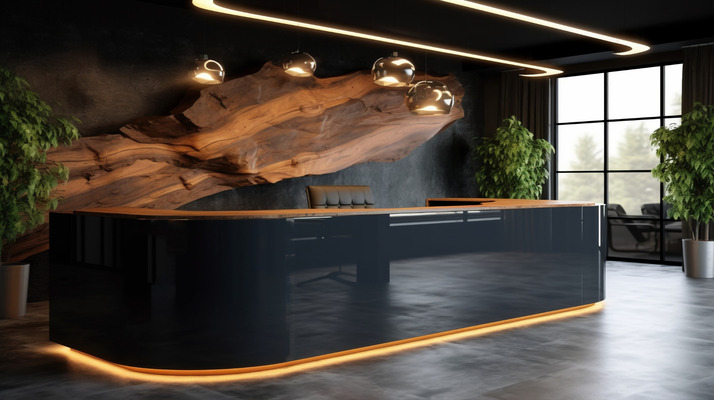
The moment a guest crosses your hotel threshold, a silent evaluation begins. Within seven seconds, they have formed powerful impressions about your property’s quality, atmosphere, and service standards. At the center of this split-second judgment stands your hotel reception desk—the physical and symbolic heart of the arrival experience.
This singular piece of hotel lobby furniture does far more than facilitate check-ins. It communicates your brand’s personality, establishes emotional tone, and signals what guests can expect throughout their stay. In an era where experiential hospitality drives loyalty and reviews, understanding how your reception design influences perception has never been more critical.
The lobby serves as the first impression a guest receives—and often the lasting one . Forward-thinking hoteliers recognize that every design decision, from desk height to material selection, contributes to a cohesive brand story that begins at the front door.
The Reception Desk as Your Brand’s Handshake
Think of your hotel lobby reception desk as a firm handshake extended to every arriving guest. It introduces your property’s character before a single word is spoken.
Visual Storytelling Through Design
The reception desk anchors your lobby’s design narrative. A sculptural, dramatic piece crafted from rich materials tells guests they have entered a luxury property where artistry matters. A streamlined, minimalist desk constructed from warm wood and clean lines suggests contemporary sophistication and efficiency.
At The Peninsula London, the lobby design masterfully blends classic grandeur with contemporary refinement . The reception area sets expectations for the entire guest experience—impeccable service wrapped in timeless elegance. Guests absorb these messages intuitively, forming expectations about service quality and attention to detail.
Cohesive Brand Expression
Your hotel lobby furniture should work together to reinforce brand identity. The reception desk does not exist in isolation. Its relationship with adjacent seating, lighting fixtures, and architectural elements creates a unified impression.
Thoughtful design choices around flow, lighting and layout can turn those first moments into powerful statements of welcome and intent . When every element harmonizes, guests sense the coherence even if they cannot articulate why the space feels right.
Breaking Barriers: The Shift Toward Approachable Design
Hospitality design has evolved significantly away from imposing structures that separate staff from guests .
From Fortress to Welcome Station
Traditional reception desks often resembled fortifications—tall, imposing barriers that physically and psychologically separated guests from hotel staff. Contemporary luxury hospitality embraces the opposite philosophy.
At Montcalm Mayfair in London, the reception desk is purposely small, encouraging a more personalized and informal check-in experience . Ample seating surrounds the desk, allowing guests to settle in comfortably from the moment they arrive. This design choice transforms check-in from a transactional procedure into a genuine welcome.
The Zetter Hotels have taken this evolution further by intentionally removing any formal reception desks entirely . Guests enjoy a drink and a snack while being swiftly checked in, experiencing hospitality rather than administration. One general manager notes that guests consistently highlight the warm welcome during check-in, feeling cozy and at home rather than standing in a hotel reception line .
Human Connection Through Design
Lowering physical barriers elevates human connection. When staff can step around the desk to greet guests personally, the interaction becomes warmer and more memorable. This design philosophy acknowledges that luxury hospitality furniture should facilitate relationships, not impede them.
The design itself becomes a tool for human connection . Breaking down barriers signals that your hotel values genuine interaction over procedural efficiency.
Materiality and Aesthetics: Speaking Brand Language Without Words
Materials communicate brand values through texture, weight, and presence. Your choice of finishes tells guests whether your property celebrates tradition or innovation, rugged authenticity or polished refinement.
Material Choices That Signal Quality
Stone suggests permanence and solidity. Warm wood conveys approachable luxury. Polished metal adds contemporary edge. Glass introduces lightness and transparency. The most memorable reception desks combine materials deliberately, creating visual interest while reinforcing brand positioning.
The garden-inspired design at Montcalm Mayfair features a dramatic flora-inspired ceiling mural, bespoke chandeliers, and an illuminated curved fluted-glass gantry . Every material choice reinforces the hotel’s botanical narrative, immersing guests in the brand story from the moment they arrive.
Color Psychology and Mood
Color selections at the reception desk influence guest emotions. Warm neutrals create calm reassurance. Deep jewel tones suggest intimacy and richness. Bright accents energize and excite.
Lighting plays an equally crucial role. It guides attention, defines areas, and creates atmosphere . A well-lit reception desk signals openness and efficiency, while softer lighting in surrounding lounge areas invites relaxation. Designers often use light to create contrast between public and private areas, shifting mood across the day .
The Evolving Role of the Lobby Reception Desk
Hotel lobbies have transformed from purely functional spaces into dynamic hubs of activity that serve multiple purposes . The reception desk must adapt to this evolution.
Flexibility and Flow
Modern lobbies accommodate morning coffee meetings, afternoon laptop work, and evening socializing. The reception desk anchors this versatile space while allowing it to breathe. Layouts that position the desk thoughtfully relative to seating areas, bar service, and circulation paths create intuitive flow that guests navigate effortlessly.
A strong arrival sequence not only builds confidence but also sets expectations for the rest of the experience . Clear sightlines to the reception desk reassure arriving guests, while comfortable waiting areas acknowledge that hospitality sometimes involves brief pauses.
Technology Integration Without Intrusion
Contemporary reception desks must accommodate technology while maintaining aesthetic integrity. Screens, payment terminals, and communication devices require integration that does not create visual clutter or barriers between staff and guests.
The most successful solutions embed technology discreetly, keeping the focus on human interaction. Guests should notice warm welcome, not equipment.
Designing for Lasting Impressions
First impressions in hospitality influence behavior, mood, and memory . A welcoming, intuitive entrance can reduce stress, encourage guests to linger, and increase the likelihood of return visits.
Your hotel reception desk carries significant responsibility in creating these positive outcomes. It must:
- Welcome warmly without overwhelming
- Function efficiently without feeling transactional
- Express brand identity without shouting
- Facilitate connection without sacrificing privacy
When design achieves this balance, guests feel the difference. They may not analyze why check-in felt effortless or why the lobby radiated welcome. They simply know they want to return.
Investing in the art of first impressions is not a luxury. It is a necessity for brands that want to connect meaningfully with their audience . The reception desk, as the centerpiece of that effort, deserves thoughtful attention from hoteliers who understand that lasting impressions begin at the door.
Conclusion
The hotel reception desk stands at the intersection of design, branding, and hospitality. It shapes how guests perceive your property within seconds and influences their entire stay experience.
By approaching reception design strategically—considering approachability, material expression, and emotional impact—you transform a functional necessity into a powerful brand asset. Guests who feel genuinely welcomed from the first moment become guests who return, recommend, and remember.
In competitive hospitality markets, these impressions matter enormously. The hotel reception desk is where they begin.