How Hotel Reception Desk Design Affects First Impressions and Branding

The moment a guest crosses your hotel threshold, a silent evaluation begins. Within seven seconds, they have formed powerful impressions about your property’s quality, atmosphere, and service standards. At the center of this split-second judgment stands your hotel reception desk—the physical and symbolic heart of the arrival experience.

This singular piece of hotel lobby furniture does far more than facilitate check-ins. It communicates your brand’s personality, establishes emotional tone, and signals what guests can expect throughout their stay. In an era where experiential hospitality drives loyalty and reviews, understanding how your reception design influences perception has never been more critical.

The lobby serves as the first impression a guest receives—and often the lasting one . Forward-thinking hoteliers recognize that every design decision, from desk height to material selection, contributes to a cohesive brand story that begins at the front door.

The Reception Desk as Your Brand’s Handshake

Think of your hotel lobby reception desk as a firm handshake extended to every arriving guest. It introduces your property’s character before a single word is spoken.

Visual Storytelling Through Design

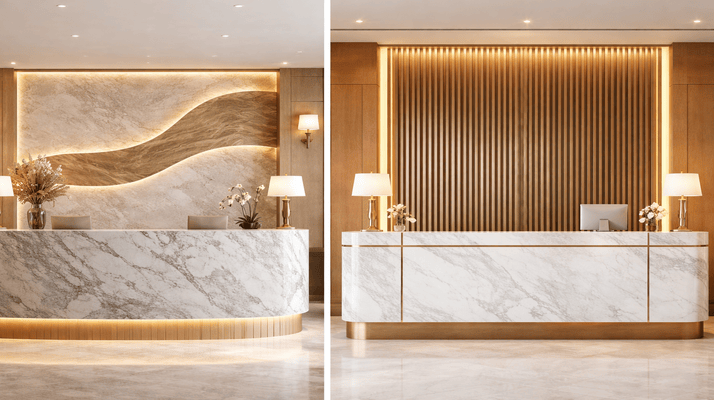
The reception desk anchors your lobby’s design narrative. A sculptural, dramatic piece crafted from rich materials tells guests they have entered a luxury property where artistry matters. A streamlined, minimalist desk constructed from warm wood and clean lines suggests contemporary sophistication and efficiency.

At The Peninsula London, the lobby design masterfully blends classic grandeur with contemporary refinement . The reception area sets expectations for the entire guest experience—impeccable service wrapped in timeless elegance. Guests absorb these messages intuitively, forming expectations about service quality and attention to detail.

Cohesive Brand Expression

Your hotel lobby furniture should work together to reinforce brand identity. The reception desk does not exist in isolation. Its relationship with adjacent seating, lighting fixtures, and architectural elements creates a unified impression.

Thoughtful design choices around flow, lighting and layout can turn those first moments into powerful statements of welcome and intent . When every element harmonizes, guests sense the coherence even if they cannot articulate why the space feels right.

Breaking Barriers: The Shift Toward Approachable Design

Hospitality design has evolved significantly away from imposing structures that separate staff from guests .

From Fortress to Welcome Station

Traditional reception desks often resembled fortifications—tall, imposing barriers that physically and psychologically separated guests from hotel staff. Contemporary luxury hospitality embraces the opposite philosophy.

At Montcalm Mayfair in London, the reception desk is purposely small, encouraging a more personalized and informal check-in experience . Ample seating surrounds the desk, allowing guests to settle in comfortably from the moment they arrive. This design choice transforms check-in from a transactional procedure into a genuine welcome.

The Zetter Hotels have taken this evolution further by intentionally removing any formal reception desks entirely . Guests enjoy a drink and a snack while being swiftly checked in, experiencing hospitality rather than administration. One general manager notes that guests consistently highlight the warm welcome during check-in, feeling cozy and at home rather than standing in a hotel reception line .

Human Connection Through Design

Lowering physical barriers elevates human connection. When staff can step around the desk to greet guests personally, the interaction becomes warmer and more memorable. This design philosophy acknowledges that luxury hospitality furniture should facilitate relationships, not impede them.

The design itself becomes a tool for human connection . Breaking down barriers signals that your hotel values genuine interaction over procedural efficiency.

Materiality and Aesthetics: Speaking Brand Language Without Words

Materials communicate brand values through texture, weight, and presence. Your choice of finishes tells guests whether your property celebrates tradition or innovation, rugged authenticity or polished refinement.

Material Choices That Signal Quality

Stone suggests permanence and solidity. Warm wood conveys approachable luxury. Polished metal adds contemporary edge. Glass introduces lightness and transparency. The most memorable reception desks combine materials deliberately, creating visual interest while reinforcing brand positioning.

The garden-inspired design at Montcalm Mayfair features a dramatic flora-inspired ceiling mural, bespoke chandeliers, and an illuminated curved fluted-glass gantry . Every material choice reinforces the hotel’s botanical narrative, immersing guests in the brand story from the moment they arrive.

Color Psychology and Mood

Color selections at the reception desk influence guest emotions. Warm neutrals create calm reassurance. Deep jewel tones suggest intimacy and richness. Bright accents energize and excite.

Lighting plays an equally crucial role. It guides attention, defines areas, and creates atmosphere . A well-lit reception desk signals openness and efficiency, while softer lighting in surrounding lounge areas invites relaxation. Designers often use light to create contrast between public and private areas, shifting mood across the day .

The Evolving Role of the Lobby Reception Desk

Hotel lobbies have transformed from purely functional spaces into dynamic hubs of activity that serve multiple purposes . The reception desk must adapt to this evolution.

Flexibility and Flow

Modern lobbies accommodate morning coffee meetings, afternoon laptop work, and evening socializing. The reception desk anchors this versatile space while allowing it to breathe. Layouts that position the desk thoughtfully relative to seating areas, bar service, and circulation paths create intuitive flow that guests navigate effortlessly.

A strong arrival sequence not only builds confidence but also sets expectations for the rest of the experience . Clear sightlines to the reception desk reassure arriving guests, while comfortable waiting areas acknowledge that hospitality sometimes involves brief pauses.

Technology Integration Without Intrusion

Contemporary reception desks must accommodate technology while maintaining aesthetic integrity. Screens, payment terminals, and communication devices require integration that does not create visual clutter or barriers between staff and guests.

The most successful solutions embed technology discreetly, keeping the focus on human interaction. Guests should notice warm welcome, not equipment.

Designing for Lasting Impressions

First impressions in hospitality influence behavior, mood, and memory . A welcoming, intuitive entrance can reduce stress, encourage guests to linger, and increase the likelihood of return visits.

Your hotel reception desk carries significant responsibility in creating these positive outcomes. It must:

  • Welcome warmly without overwhelming
  • Function efficiently without feeling transactional
  • Express brand identity without shouting
  • Facilitate connection without sacrificing privacy

When design achieves this balance, guests feel the difference. They may not analyze why check-in felt effortless or why the lobby radiated welcome. They simply know they want to return.

Investing in the art of first impressions is not a luxury. It is a necessity for brands that want to connect meaningfully with their audience . The reception desk, as the centerpiece of that effort, deserves thoughtful attention from hoteliers who understand that lasting impressions begin at the door.

Conclusion

The hotel reception desk stands at the intersection of design, branding, and hospitality. It shapes how guests perceive your property within seconds and influences their entire stay experience.

By approaching reception design strategically—considering approachability, material expression, and emotional impact—you transform a functional necessity into a powerful brand asset. Guests who feel genuinely welcomed from the first moment become guests who return, recommend, and remember.

In competitive hospitality markets, these impressions matter enormously. The hotel reception desk is where they begin.
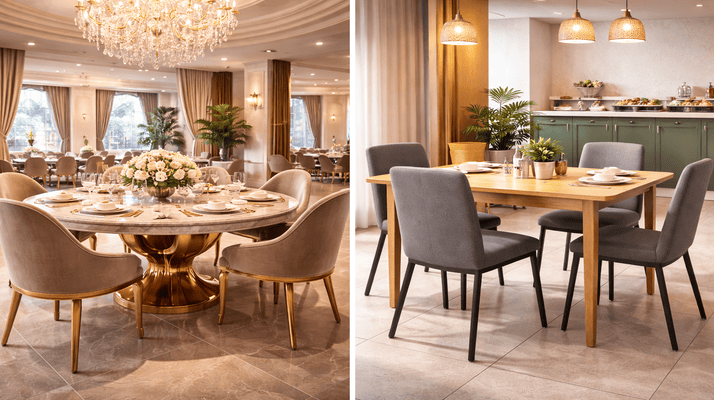
Luxury Hotel Dining Tables vs. Budget Options: Is the Investment Worth It?

Every hotel owner faces the same pivotal question during fit-out or renovation. Should you allocate significant budget to luxury hotel furniture, or can cost-effective alternatives deliver the same guest experience?

Nowhere is this decision more visible than in your restaurant and dining areas. The hotel dining table is where guests spend meaningful time. It hosts breakfast meetings, romantic dinners, and business power lunches. It endures thousands of meals, countless spills, and daily movement.

Choosing between a luxury dining table and a budget option might seem like a simple financial calculation. In reality, it is a decision that impacts your brand perception, operational costs, and guest satisfaction scores for years to come.

The Hidden Cost of Budget Hotel Dining Furniture

At first glance, budget premium hotel dining furniture appears financially prudent. The initial outlay is lower. The line item looks responsible to stakeholders.

However, experienced hoteliers understand a fundamental truth: cheap furniture is expensive.

Budget hotel dining table options typically use lower-grade materials. Particleboard cores replace solid hardwood. Thin veneers substitute for thick timber. Standard finishes lack the protective layers required for commercial environments.

Within eighteen months, the reality emerges. Edges chip. Surfaces stain permanently. Table bases wobble. The elegant dining room you designed now features tired, damaged tables that communicate neglect to every guest who sits down.

A single negative review mentioning “worn dining furniture” can cost you dozens of bookings. The financial impact far exceeds the initial savings.

What Luxury Hotel Furniture Delivers That Budget Cannot

Investing in luxury hospitality furniture means investing in materials engineered for performance. A genuine luxury dining table from specialist suppliers differs fundamentally from mass-produced alternatives.

European craftsmanship prioritizes joinery over glue. Dovetail joints and mortise-and-tenon construction ensure tables withstand decades of use. Solid hardwood edges resist impact damage. Premium finishes incorporate multiple layers of protection, often cured with UV light for hardness that budget options cannot match.

The weight alone tells the story. A quality hotel dining table feels substantial because it is. This physical presence communicates quality to guests before they even touch the surface.

The Guest Experience Dividend

Dining out is a multi-sensory experience. Guests notice more than food quality. They notice how the table feels beneath their forearms. They notice whether plates sit steady or wobble. They notice the subtle heft of luxury hotel furniture that signals care and attention.

When you choose luxury hospitality furniture, you signal to guests that every detail matters. This perception directly influences willingness to pay premium rates and likelihood of return visits.

Budget tables, by contrast, communicate compromise. Even with beautiful tableware, a flimsy table undermines the entire setting. Guests may not consciously identify the problem, but they feel it.

Durability Equals Sustainability

European hoteliers increasingly prioritize sustainability. Here, luxury hotel furniture offers another decisive advantage.

A luxury dining table built from sustainable timber with traditional craftsmanship will serve your property for decades. It can be refinished, repaired, and restored. It becomes part of your property’s heritage.

Budget options face a single destination: landfill. Their construction prevents meaningful repair. When damage occurs, replacement is the only option. The environmental cost multiplies with every replacement cycle.

Forward-thinking hoteliers recognize that investing in premium hotel dining furniture aligns with both luxury positioning and environmental responsibility.

Operational Realities: Housekeeping and Maintenance

Your housekeeping team understands the difference between quality and economy better than anyone.

Luxury tables feature sealed surfaces that resist wine spills and sanitizer damage. Their weight means they stay positioned during cleaning rather than sliding. Stable construction prevents the rocking that frustrates guests and staff alike.

Budget tables require careful handling. Spills penetrate unprotected edges. Lightweight construction means tables shift during service. Constant realignment wastes staff time and creates inconsistent guest experiences.

Over a five-year period, the labor costs associated with managing inferior furniture often exceed the initial price difference.

Making the Financial Case

The numbers tell a clear story. A quality hotel dining table from a specialist luxury hospitality furniture supplier might cost three times more than a budget alternative. However, it will last five times longer while requiring minimal maintenance.

Consider a ten-year horizon. The budget table requires replacement at least once, probably twice. Each replacement means procurement time, delivery coordination, and disposal costs. More importantly, each replacement means years of suboptimal guest experience.

The luxury dining table remains in service, looking better with age, requiring only occasional refinishing. The total cost of ownership favors quality from year one.

Design Impact and Brand Identity

Your dining room expresses your brand identity physically. Luxury hotel furniture suppliers offer customization that mass-market sources cannot match.

Want tables in specific dimensions to optimize your floor plan? Need particular timber species to complement your interior architecture? Require bespoke finishes that align with your brand palette?

Specialist manufacturers deliver these precisely. Budget suppliers offer standard sizes and limited options. Your design vision compresses to fit their catalogue.

For boutique hotels especially, distinctiveness drives desirability. Guests choose your property because it offers something different. Mass-market furniture undermines that differentiation.

The Verdict: Investment or Expense?

Returning to our original question: is the investment in luxury hotel dining tables worth it?

For hotel owners building or renovating properties positioned above economy segment, the answer is unequivocally yes.

The hotel dining table is not merely functional. It is a brand ambassador that works every mealtime, every day, for years. It communicates your standards to every guest who sits there. It supports your operational team through thousands of service hours. It represents your commitment to quality in tangible form.

Choosing premium hotel dining furniture transforms a cost centre into a brand asset. Budget options remain exactly what they appear: compromises that save money today but cost far more tomorrow.

Partner with Specialists

Selecting luxury hospitality furniture requires working with partners who understand commercial environments. Look for suppliers offering solid timber construction, commercial-grade finishes, and warranty coverage that confirms their confidence.

Your dining tables will serve thousands of guests. They deserve construction quality equal to that responsibility.

Invest wisely. Your guests will notice. Your team will thank you. Your bottom line will confirm you made the right choice.


Ready to elevate your dining spaces with genuine luxury hotel furniture? Contact our team to discuss custom hotel dining table solutions engineered for European hospitality excellence.

What Size Should a Hotel Room Wardrobe Be? A Practical Guide for Hoteliers

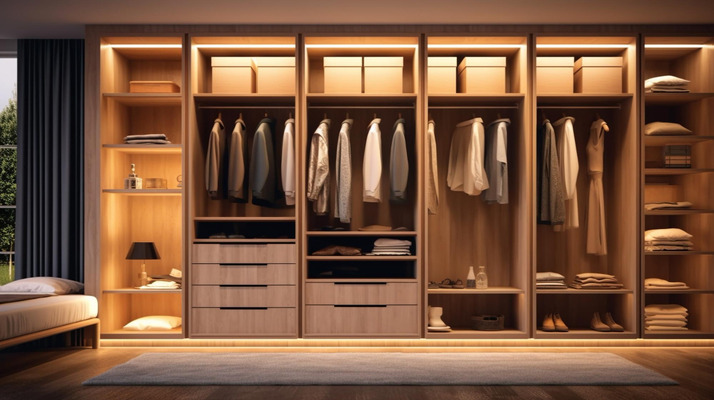
Comfort in a hotel room is defined not only by beds and seating but also by smart storage solutions. One element that strongly influences guest convenience is the hotel room wardrobe. Guests expect enough space to store luggage, clothing, and personal belongings without cluttering the room. For hotel owners, determining the standard hotel room wardrobe size is therefore an important part of room planning and overall interior design.

Whether designing a luxury property, a boutique hotel, or a premium hospitality space, choosing the right wardrobe dimensions ensures functionality, durability, and a consistent guest experience. Properly designed wardrobes also complement the wider concept of hotel bedroom furniture, helping rooms appear organised and elegant.


Why Wardrobe Size Matters in Hotel Room Design

A wardrobe may appear to be a simple storage unit, but in hospitality environments it serves several essential functions. Guests rely on a hotel room wardrobe to store clothing during short or extended stays, and the absence of sufficient storage can quickly lead to dissatisfaction.

For hotel owners, selecting the right wardrobe size ensures:

  • Efficient use of available space
  • Comfortable guest storage for luggage and clothing
  • Visual balance within the room layout

A well-designed wardrobe also contributes to the overall perception of luxury hotel furniture, reinforcing the sense of thoughtful planning within the guest room.


Standard Hotel Room Wardrobe Size

While hotel rooms vary across properties, certain dimensions are commonly used in hospitality design. The standard hotel room wardrobe size typically ranges between:

  • Width: 100 cm – 160 cm
  • Depth: 55 cm – 65 cm
  • Height: 200 cm – 220 cm

These dimensions allow guests to hang garments comfortably while providing room for shelves and luggage storage. The depth of the wardrobe is particularly important because it must accommodate hangers without obstructing the doors.

When integrated correctly within hotel bedroom furniture, wardrobes of these dimensions provide enough storage while maintaining spacious room circulation.


Wardrobe Size for Luxury Hotels

Luxury properties often prioritise comfort and generous storage. Guests staying in upscale hotels usually travel with more clothing, accessories, and luggage. As a result, a larger hotel room wardrobe is often preferred.

Luxury hotel wardrobes may include:

  • Double hanging sections for longer garments
  • Additional shelving for folded clothing
  • Dedicated luggage compartments

These features enhance usability while reinforcing the premium quality associated with luxury hotel furniture. In high-end suites, wardrobes may extend beyond the standard hotel room wardrobe size to include walk-in or custom storage solutions.


Wardrobe Planning for Boutique Hotels

Boutique hotels frequently operate within smaller buildings where room dimensions are limited. Space efficiency becomes crucial when designing hotel bedroom furniture for such properties.

Instead of increasing wardrobe size, boutique hotels often optimise design through:

  • Sliding wardrobe doors to save space
  • Integrated shelving systems
  • Open wardrobe concepts with visible storage

Even when space is limited, a carefully planned hotel room wardrobe can provide adequate functionality while maintaining a refined interior aesthetic.


Balancing Wardrobe Size with Room Layout

Wardrobe placement plays a significant role in room comfort. Oversized wardrobes can make rooms feel cramped, while undersized storage units create inconvenience for guests.

Successful layouts ensure that the hotel room wardrobe integrates seamlessly with other furniture elements such as:

  • Bedside tables
  • Desks and seating areas
  • Luggage benches

When wardrobes complement the surrounding hotel bedroom furniture, the entire room appears more balanced and welcoming.


Materials and Durability Considerations

Hospitality furniture must withstand constant use. Wardrobes experience frequent opening, closing, and heavy storage loads, making durability essential. Selecting robust materials ensures that hotel room wardrobe units maintain their appearance and functionality for years.

Quality luxury hotel furniture often incorporates:

  • Reinforced wooden frames
  • Durable laminates or veneer finishes
  • High-quality hinges and sliding mechanisms

Durable construction reduces maintenance costs and ensures long-term reliability for hotel owners.


Smart Storage Features for Modern Hotel Rooms

Modern hospitality design increasingly focuses on functionality. A thoughtfully designed hotel room wardrobe can include several smart features that improve the guest experience.

Common additions include:

  • Interior lighting for better visibility
  • Integrated safe compartments
  • Adjustable shelving for flexible storage

These elements transform wardrobes into practical components of hotel bedroom furniture, improving both usability and guest satisfaction.


Creating a Cohesive Guest Room Design

Wardrobes should never feel like isolated storage units. Instead, they should be designed as part of the room’s overall furniture concept. Coordinating the hotel room wardrobe with beds, desks, and seating ensures visual harmony.

Consistent finishes and materials help the wardrobe blend naturally into the room design while maintaining the refined aesthetic expected from luxury hotel furniture.


Conclusion: Choosing the Right Wardrobe Size

Selecting the correct standard hotel room wardrobe size requires careful consideration of room dimensions, guest expectations, and operational practicality. Luxury hotels may prefer larger wardrobes for added comfort, while boutique properties benefit from space-efficient designs.

Ultimately, the goal is to create a storage solution that supports both functionality and aesthetics. A thoughtfully designed hotel room wardrobe, integrated with quality hotel bedroom furniture, enhances guest convenience and strengthens the perception of premium hospitality.

For hotel owners, investing in well-proportioned wardrobes is a practical step toward improving comfort, organisation, and long-term furniture performance.

10 Hotel Lobby Furniture Trends Redefining Luxury Hospitality in 2026

Hotel lobbies have evolved from simple waiting areas into carefully designed social spaces that represent the character of a property. Today, guests expect more than just functional seating—they expect atmosphere, comfort, and design identity the moment they enter the building. For hotel owners across Europe, selecting the right hotel lobby furniture has become essential to creating memorable experiences and reinforcing brand positioning.

Luxury hotels, boutique properties, and premium hospitality spaces are increasingly investing in distinctive luxury hospitality furniture to differentiate themselves in a competitive market. From sculptural seating to nature-inspired layouts, the latest trends show how thoughtful design can elevate both aesthetics and guest engagement.

Below are ten furniture trends shaping the future of luxury hotel lobbies in 2026.


1. Biophilic Lobby Design with Natural Materials

Biophilic design continues to influence hospitality interiors across Europe. Designers are incorporating organic textures, natural woods, and stone elements within hotel lobby furniture to create calming environments.

Large hotel lobby sofas upholstered in earthy fabrics, paired with wooden hotel lobby chairs, help connect interior spaces with nature. This trend not only enhances visual comfort but also improves guest wellbeing by introducing natural elements into the lobby environment.


2. Sculptural Hotel Lobby Sofas as Statement Pieces

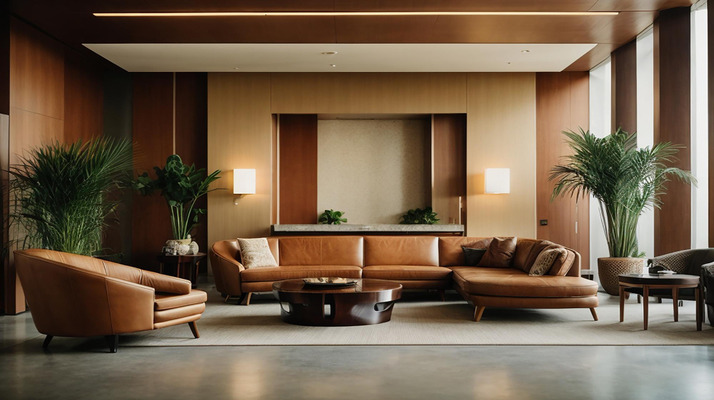
Modern lobbies increasingly revolve around a central seating feature. A striking hotel lobby sofa with curved or modular shapes becomes the focal point of the space.

Luxury hotels often choose oversized sofas crafted with premium materials to emphasise scale and elegance. These statement pieces transform luxury hospitality furniture into functional artwork while encouraging guests to gather, relax, and socialise.


3. Art Déco Revival in Hospitality Furniture

Classic design influences are returning with renewed sophistication. The revival of Art Déco aesthetics brings geometric patterns, metallic accents, and rich materials into hotel lobby furniture collections.

Elegant hotel lobby chairs with velvet upholstery and brass details reflect the timeless glamour associated with European luxury interiors. Paired with a refined hotel reception desk, this style creates a powerful visual impression for arriving guests.


4. Bespoke Craftsmanship for Unique Hotel Identity

Luxury hotels increasingly favour bespoke furniture to distinguish their brand. Custom-designed hotel lobby furniture ensures that every element—from seating to reception counters—aligns with the hotel’s architectural vision.

A tailored hotel reception desk combined with customised hotel lobby sofas reinforces exclusivity. For boutique hotels especially, handcrafted luxury hospitality furniture allows designers to create interiors that guests cannot find elsewhere.


5. Flexible Modular Seating Layouts

Modern hospitality spaces must adapt to changing guest needs. Modular hotel lobby sofas provide flexibility by allowing seating configurations to shift depending on guest flow, events, or seasonal adjustments.

These adaptable seating systems integrate seamlessly with surrounding hotel lobby chairs, making it easier for hotel owners to refresh layouts without replacing entire furniture sets.


6. Warm Minimalism in European Lobby Design

Minimalism continues to influence modern luxury hospitality, but with a warmer approach. Instead of stark interiors, designers now combine clean-lined hotel lobby furniture with soft textures and muted colours.

Subtle tones and comfortable hotel lobby chairs create an inviting atmosphere without overwhelming the architecture. A streamlined hotel reception desk in natural finishes completes the look, offering understated elegance.


7. Integrated Technology in Reception Areas

As hospitality becomes increasingly digital, lobby furniture must support new technologies. Contemporary hotel reception desks now integrate charging stations, concealed lighting, and digital check-in solutions.

When combined with sophisticated hotel lobby furniture, these features enhance operational efficiency while maintaining a seamless luxury aesthetic.


8. Social Seating Zones for Modern Travelers

Lobbies are becoming social environments where guests work, meet, and relax. Designers are creating clusters of hotel lobby sofas and hotel lobby chairs that encourage conversation and collaboration.

These seating zones often include low tables and layered lighting to support both casual meetings and informal gatherings. The result is a lobby that feels both dynamic and welcoming.


9. Sustainable Luxury Furniture Choices

Sustainability is now a priority for many European hospitality brands. Durable materials, responsible sourcing, and long-lasting construction are shaping the design of luxury hospitality furniture.

Hotels are selecting hotel lobby furniture crafted from certified woods, recyclable metals, and environmentally responsible fabrics. This approach supports both environmental goals and long-term operational value.


10. Signature Reception Desks as Architectural Features

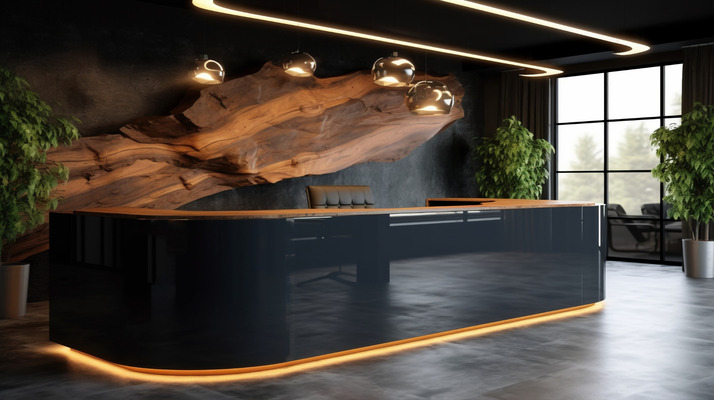
The hotel reception desk is evolving into a sculptural architectural element rather than a simple service counter. Designers use bold forms, natural stone, and premium finishes to create reception areas that define the entire lobby.

When combined with complementary hotel lobby sofas and elegant hotel lobby chairs, the reception desk becomes a centerpiece that communicates professionalism and luxury from the first moment guests arrive.


The Future of Luxury Hotel Lobby Furniture

Furniture trends in luxury hospitality are moving toward a balance of design innovation, guest comfort, and operational practicality. Carefully selected hotel lobby furniture not only enhances visual appeal but also supports the functional needs of modern travelers.

For hotel owners and designers, investing in high-quality luxury hospitality furniture ensures that lobbies remain welcoming, adaptable, and memorable. Whether through sculptural hotel lobby sofas, elegant hotel lobby chairs, or striking hotel reception desks, thoughtful furniture choices continue to redefine luxury hospitality across Europe.

Custom vs. Ready-Made: Which Luxury Hotel Reception Desk is Right for Your Property?

The reception desk is more than a checkpoint; it is the centerpiece of your lobby, the handshake that introduces guests to your brand. For hotel owners, choosing between a custom creation and a ready-made model is a pivotal decision that impacts aesthetics, operations, and budget for years. This guide provides a clear framework to determine whether a bespoke luxury hotel reception desk or a pre-designed alternative is the optimal investment for your European property.

The Case for a Custom Made Luxury Hotel Reception Desk

Commissioning a bespoke piece is about rejecting compromise. It is a commitment to creating a functional work of art that perfectly encapsulates your vision.

Unrivalled Brand Authenticity: A custom made luxury hotel reception desk is a physical manifestation of your hotel’s unique narrative. Whether your property is a restored historic château or a minimalist urban boutique, a custom design allows you to control every line, curve, and material to tell your specific story. This level of authenticity is immediately perceived by guests and sets the tone for a genuine luxury experience.

Perfect Spatial and Functional Integration: No two lobbies are identical. A ready-made desk may fit awkwardly, disrupting flow or limiting service. With custom hotel furniture, you dictate the dimensions to perfectly suit your space. More importantly, you can integrate technology and ergonomics seamlessly—concealing wiring, positioning check-in terminals for ideal staff-guest interaction, and incorporating secure storage exactly where needed.

Material Excellence and Artisanship: When you invest in a bespoke piece, you are also investing in superior craftsmanship. You can select specific, high-grade materials—a particular book-matched marble, sustainably sourced European oak, or hand-worked brass. The result is a piece with a presence and quality that mass-produced items simply cannot replicate, often becoming a talking point featured in guest photography and social media.

The Case for a Ready-Made Hotel Reception Desk

Opting for a pre-designed desk is not a concession; it is a strategic choice that offers distinct advantages, particularly for certain project types.

Cost and Timeline Predictability: The most immediate benefits are often budgetary and logistical. A ready-made luxury hotel reception desk has a fixed price and a significantly shorter lead time. For renovations with tight deadlines or projects with strictly defined budgets, this predictability is invaluable. You can select a finished piece with known specifications and a guaranteed delivery schedule.

Proven Design and Reliability: Reputable suppliers offer ready-made desks with designs that are already optimized for hospitality use. They have been tested for durability and often incorporate industry-standard dimensions and workflows. For a hotelier who values a known quantity and wants to avoid the unknowns of a prototyping phase, a ready-made desk from a curated collection can be a safe, stylish, and highly functional choice.

Making the Final Decision: A Framework

To decide, ask yourself three critical questions:

  1. What is Your Brand Imperative? Is your brand identity so specific that an existing piece will feel like a compromise? If your concept relies on a singular design element, custom is the answer.
  2. What is Your True Timeline? Do you have the 12-20 weeks typically required for design, prototyping, and handcrafted production? If you need a desk next month, a high-quality ready-made option is your only viable path.
  3. Where Does the Desk Sit in Your Priorities? Is the reception desk the signature piece of your public space, or one important component among many? If it is the star, invest in custom. If it needs to be excellent but blend seamlessly, a ready-made piece can excel.

Ultimately, both paths can lead to an exceptional lobby. A ready-made hotel reception furniture piece offers efficiency and proven performance. However, for the hotelier seeking a singular statement that perfectly aligns with their vision and elevates their brand to its highest potential, the bespoke journey of a custom made luxury hotel reception desk is an unparalleled investment. At Hotel-Furniture.store, our expertise lies in guiding you through this decision and bringing that unique vision to life.


The Essential Guide to Materials: What to Look for in Hotel Outdoor Furniture

For the discerning hotel owner, the outdoor space is not merely an extension of the property; it is a strategic asset. It is the setting for first impressions, guest relaxation, and premium al fresco dining. However, the wrong choice in hotel outdoor furniture can lead to rapid deterioration, safety hazards, and a tarnished brand image. Selecting the right materials is therefore not just a design decision—it is an operational and financial imperative. This guide cuts through the noise to outline exactly what to look for when sourcing hotel patio furniture for your European property.

The High-Stakes Challenge of the Outdoors

Unlike residential gardens, your furniture must withstand a relentless cycle of use, weather, and cleaning. The best outdoor furniture materials for a luxury hotel in the South of France will differ from those needed for a ski resort in the Alps. Your investment must resist UV radiation, rain, wind, and temperature fluctuations while remaining comfortable and aesthetically flawless. Understanding material science is the key to achieving this balance.

The Gold Standard: Materials That Perform

When evaluating options, focus on these core categories of weather resistant hotel furniture:

  1. Premium Hardwoods (Especially Teak): For a classic, timeless look, plantation-grown teak is the undisputed champion. Its high natural oil content makes it impervious to rot, insects, and moisture. It weathers gracefully to a silver patina, or can be maintained with oils to preserve its honey-brown hue. For a European audience that values sustainability and longevity, FSC-certified teak is a powerful selling point.
  2. High-Grade Aluminum (Not Just Any Metal): For sleek, modern lines, look for powder-coated, marine-grade or architectural aluminum. It is incredibly lightweight for easy housekeeping rearrangement yet structurally sound. Crucially, it is rust-proof, making it ideal for poolside or coastal locations. The powder-coating process ensures the finish stays flawless against the elements.
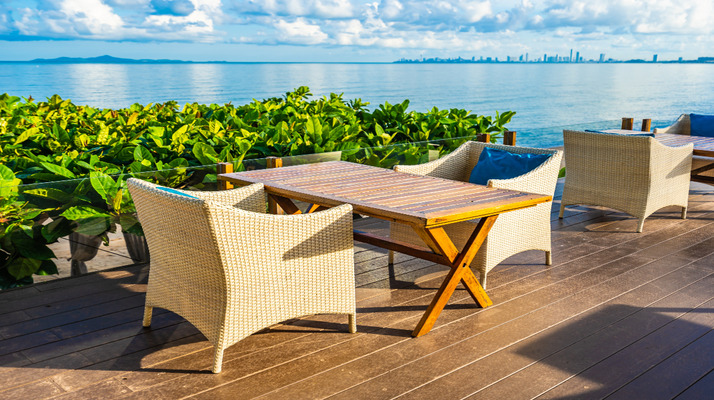
  3. Synthetic Woven Fibers (HDPE or Resin): The natural look of wicker remains popular for a relaxed vibe, but natural wicker has no place in a commercial setting. Instead, demand high-density polyethylene (HDPE) or virgin resin wicker. These materials are UV-stabilized to prevent fading and cracking, are completely waterproof, and easy to sanitize—a non-negotiable for modern hygiene standards.
  4. Performance Fabrics (Solution-Dyed Acrylic): The cushions are the first thing to fail on inferior hotel patio furniture. Specify fabrics made from solution-dyed acrylic (brands like Sunbrella are the benchmark). Here, the color is part of the fiber itself, not just coated on top, ensuring it resists fading, mold, and mildew. These fabrics are also quick-drying and can be cleaned with mild soap and water.

Making the Strategic Choice

The best materials for hotel outdoor furniture are those that align with your specific concept and climate. Don’t be swayed by low-cost imitations. A cheap resin wicker will become brittle and snap; a low-grade steel will rust and stain your terraces.

Invest in materials engineered for the rigors of hospitality. By prioritizing structural integrity, weather resistance, and timeless design, you ensure your outdoor furniture remains a profit-generating asset that enhances your brand for years to come. At Hotel-Furniture.store, we specialize in curating and custom crafting pieces that meet these exacting standards, ensuring your outdoor spaces are always guest-ready.

Is Investing More in Hotel Room Furniture Better Than Lobby Furniture?

Budget allocation is one of the most strategic decisions a hotel owner must make. When renovating or developing a property, the question often arises: should more investment go into Hotel Room Furniture or into hotel lobby furniture? Both spaces influence perception, yet they serve very different purposes within luxury hospitality.

Understanding how guests interact with rooms versus lobbies is essential for making a financially sound and brand-aligned decision. For luxury, boutique, and premium hotels across Europe, furniture investment must balance comfort, visibility, and long-term return.


Guest Time Spent: Private Comfort vs Public Impression

Guests spend significantly more time inside their rooms than in the lobby. Sleep quality, storage convenience, seating comfort, and workspace functionality all depend on well-designed Hotel Room Furniture. If the room fails to meet expectations, even the most impressive entrance experience cannot compensate.

On the other hand, hotel lobby furniture shapes the first impression. It is highly visible, photographed frequently, and often associated with brand identity. A striking lobby may attract attention online, but the room determines whether guests leave satisfied.

For hotel owners, this difference between duration and visibility is crucial. Rooms influence comfort and reviews; lobbies influence perception and marketing impact.


ROI Perspective: Where Does the Money Work Harder?

From a financial standpoint, Hotel Room Furniture directly affects guest satisfaction scores and repeat bookings. Comfortable beds, durable wardrobes, and functional desks enhance everyday experience. Positive room comfort often appears in reviews, strengthening occupancy rates.

Investing in high-quality luxury hospitality furniture for guest rooms also reduces maintenance costs. Durable materials withstand daily use, lowering replacement frequency and protecting long-term profitability.

Conversely, hotel lobby furniture delivers marketing value. A visually impressive lobby increases social media exposure and enhances perceived luxury. However, if rooms lack quality, overall ratings may decline despite lobby appeal.

In most luxury hospitality environments, rooms provide stronger measurable ROI due to direct guest interaction.


Brand Impact: Visibility vs Intimacy

The lobby acts as a brand showcase. Carefully curated hotel lobby furniture communicates sophistication and sets the tone for the property. It is where guests form initial emotional impressions.

Yet true brand loyalty develops in private spaces. Premium Hotel Room Furniture defines how guests sleep, relax, and work. Intimate comfort builds trust and emotional connection.

Luxury hotel brands that prioritise room comfort often achieve higher guest retention because the private experience exceeds expectations. While the lobby attracts, the room convinces.


Boutique Hotels: A Different Balance

Boutique hotels operate differently from large-scale luxury properties. Their lobbies are often smaller, sometimes integrated with lounges or dining areas. In such cases, hotel lobby furniture plays a stronger role in shaping atmosphere and storytelling.

However, boutique guests still evaluate comfort carefully. High-quality Hotel Room Furniture remains essential, particularly in compact urban properties where space efficiency matters.

For boutique hotels, a balanced approach works best—investing strategically in both visible lobby elements and durable room essentials.


Durability and Operational Efficiency

Furniture in guest rooms experiences consistent daily usage. Beds, side tables, wardrobes, and desks endure repetitive wear. Investing in robust Hotel Room Furniture reduces operational disruptions and long-term repair expenses.

Lobby pieces, while visible, may experience uneven usage. Certain seating areas attract higher traffic, requiring durable luxury hospitality furniture solutions to maintain presentation standards.

From an operational perspective, rooms demand higher durability standards due to continuous use patterns.


Guest Reviews and Online Perception

Online reviews frequently mention comfort, sleep quality, and room functionality. These factors depend almost entirely on Hotel Room Furniture quality. A well-designed room can generate strong loyalty and positive feedback even if the lobby design is understated.

However, high-end hotel lobby furniture contributes to visual storytelling. Many guests photograph lobby spaces, influencing digital presence. Luxury properties in Europe often benefit from lobby aesthetics that align with architectural style.

The ideal strategy recognises that lobby investment supports visibility, while room investment supports satisfaction.


Strategic Allocation: What Should Come First?

For new developments or major renovations, prioritising Hotel Room Furniture typically yields stronger long-term returns. Ensuring every guest experiences superior comfort builds sustainable reputation.

Once room standards are secured, allocating funds to elevate hotel lobby furniture enhances brand prestige and public perception.

Premium luxury hospitality furniture solutions should never be chosen purely for aesthetics. Performance, comfort, and longevity must guide decision-making.


Conclusion: Comfort Builds Loyalty, Visibility Builds Attraction

Both spaces matter. Lobby investment enhances visual appeal and brand introduction, while Hotel Room Furniture defines comfort and retention. For hotel owners seeking measurable ROI, room furniture generally offers greater long-term financial value.

That said, successful luxury hotels across Europe balance the two. Prioritise durable, high-quality luxury hospitality furniture in guest rooms first, then elevate the lobby to strengthen brand presence.

In hospitality, impressions attract guests—but comfort keeps them coming back.

How to Select the Right Hospitality Furniture Supplier in Europe

Selecting a supplier is one of the most critical strategic decisions a hotel owner will make. Furniture defines comfort, durability, operational efficiency, and brand perception for years to come. Choosing the right partner for luxury hotel furniture is not simply about price or design preference—it is about reliability, craftsmanship, and long-term performance.

Across Europe’s competitive hospitality landscape, hotel owners must carefully evaluate hospitality furniture suppliers to ensure their investment supports both guest satisfaction and financial sustainability. The right supplier becomes a long-term partner in maintaining premium standards.


Understanding the Importance of Supplier Selection

Furniture is a high-impact investment. Every bed, sofa, chair, and table contributes to daily guest experience. Poor supplier selection can result in delays, inconsistent quality, and costly replacements.

Experienced European hotel furniture suppliers understand:

  • Hospitality-grade durability requirements

  • Safety and compliance standards within the EU

  • Logistics and delivery coordination for large-scale projects

Working with reputable hospitality furniture suppliers ensures that your property maintains consistent quality across all rooms and public areas.


Evaluate Experience in Luxury Hospitality Projects

Not all suppliers specialise in high-end hospitality. When sourcing luxury hospitality furniture, it is essential to review a supplier’s portfolio and past projects.

Look for evidence of:

  • Work with luxury or boutique hotels

  • Large-scale installations across Europe

  • Customisation capabilities for premium environments

A supplier experienced in luxury hotel furniture understands the balance between aesthetics and heavy-duty performance required in high-traffic settings.


Assess Quality Benchmarks and Craftsmanship

Luxury properties demand more than visual appeal. Materials, internal construction, upholstery standards, and finishing details determine long-term durability.

When evaluating European hotel furniture suppliers, ask about:

  • Frame construction (solid wood or reinforced metal)

  • Upholstery durability ratings

  • Fire-retardant and safety certifications

  • Warranty policies

High-quality luxury hospitality furniture should maintain structural integrity and visual refinement even under continuous use.


Customisation and Brand Alignment

Luxury hotels often require bespoke elements that reflect brand identity. The right hospitality furniture suppliers should offer customisation without compromising production timelines.

Custom capabilities may include:

  • Tailored dimensions for specific room layouts

  • Signature finishes or branded colour palettes

  • Exclusive designs for boutique properties

Reliable European hotel furniture suppliers combine design flexibility with technical precision, ensuring each piece aligns with the hotel’s architectural vision.


Production Capacity and Lead Times

Timelines are crucial in hospitality projects. Delays can disrupt opening schedules and marketing campaigns. Before finalising a contract, assess the supplier’s production capacity and delivery efficiency.

Professional hospitality furniture suppliers should provide:

  • Clear production schedules

  • Transparent communication

  • Realistic lead times based on order scale

A supplier experienced in delivering luxury hotel furniture across Europe understands cross-border logistics and compliance requirements.


Long-Term Reliability and After-Sales Support

Furniture is a long-term asset. Reliable after-sales service differentiates exceptional suppliers from average vendors. Maintenance guidance, replacement parts, and responsive communication are vital.

When selecting European hotel furniture suppliers, consider:

  • Availability of spare components

  • Repair and refurbishment services

  • Structured warranty coverage

Durable luxury hospitality furniture supported by dependable service protects operational continuity and brand standards.


Sustainability and Ethical Standards

Sustainability is increasingly important for European luxury hotels. Guests expect environmentally responsible practices, and regulatory standards continue to evolve.

Reputable hospitality furniture suppliers should demonstrate:

  • Sustainable sourcing of materials

  • Responsible manufacturing processes

  • Compliance with EU environmental standards

High-quality luxury hotel furniture that prioritises longevity and responsible production aligns with modern luxury values.


Cost vs Value: A Strategic Perspective

Price comparisons can be misleading. Lower initial costs often lead to higher lifetime expenses due to repairs and replacements. Investing in premium luxury hospitality furniture provides measurable long-term value.

Consider:

  • Expected lifespan of materials

  • Maintenance frequency

  • Impact on guest satisfaction and reviews

Well-crafted luxury hotel furniture strengthens brand perception, supports positive feedback, and reduces long-term refurbishment costs.


Red Flags to Avoid

When reviewing potential hospitality furniture suppliers, be cautious of:

  • Unclear material specifications

  • Limited hospitality project experience

  • Unrealistically short lead times

  • Lack of EU compliance documentation

Trustworthy European hotel furniture suppliers operate transparently and provide detailed product documentation.


Building a Long-Term Partnership

The most successful luxury hotels treat suppliers as strategic partners rather than transactional vendors. Consistent collaboration ensures future renovations and expansions remain aligned with established standards.

By working with experienced hospitality furniture suppliers, hotel owners can maintain design continuity, protect investment value, and reinforce their property’s premium identity.


Conclusion: Making the Right Supplier Decision

Choosing the right partner for luxury hotel furniture in Europe requires thorough research, quality assessment, and long-term thinking. A dependable supplier delivers more than products—they provide stability, craftsmanship, and reliability.

For luxury, boutique, and premium hotels, investing in trusted European hotel furniture suppliers ensures that every guest interaction reflects excellence. When luxury hospitality furniture meets rigorous quality standards, it supports both brand integrity and operational success.

Why Modular Outdoor Furniture is the Game-Changer for Luxury Hotel Event Spaces

In today’s fast-paced hospitality industry, luxury hotel event spaces must deliver flexibility, elegance, and unforgettable experiences. Modular outdoor furniture has emerged as the ultimate solution for hoteliers seeking to transform terraces, rooftops, poolside areas, and gardens into versatile venues. As 2026 trends emphasize adaptability and sustainability, luxury outdoor furniture with modular designs allows hotels to quickly reconfigure spaces for weddings, corporate events, wellness retreats, or intimate dinners—without compromising on sophistication. This post explores why modular luxury hotel furniture is revolutionizing event spaces, backed by market insights and real-world benefits.


Modular Luxury Outdoor Furniture: The Secret to Effortless Event Transformations

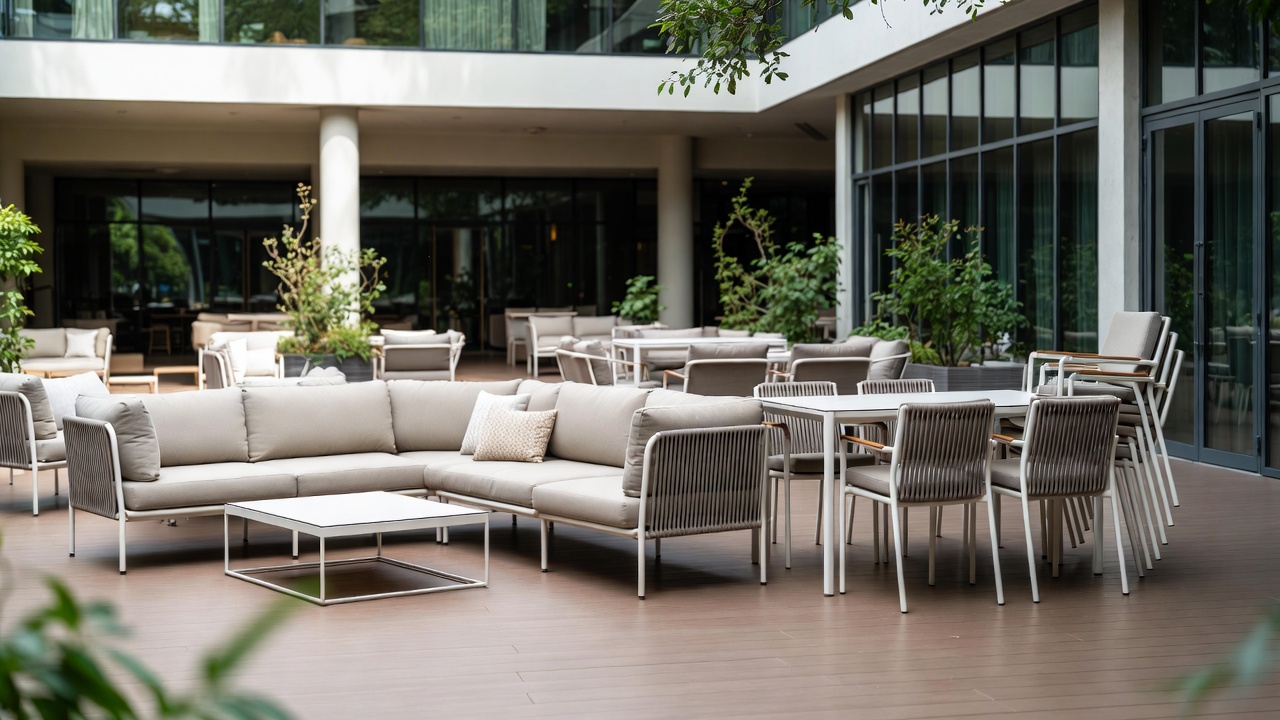
Modular outdoor furniture—reconfigurable sofas, stackable lounge chairs, and extendable tables—lets hotel staff adapt layouts in minutes rather than hours. A morning yoga session on a spacious terrace can seamlessly shift into an evening cocktail reception or a formal dinner setup. This level of flexibility is especially valuable in luxury hotels where event spaces serve multiple purposes daily, helping maximize bookings and revenue while maintaining the high-end aesthetic guests expect from premium properties.


Boost ROI with Sustainable and Durable Luxury Garden Furniture

Sustainability and cost-efficiency are top priorities in 2026, and modular luxury garden furniture delivers both. Crafted from FSC-certified teak, recycled aluminum, and high-performance fabrics, these pieces are built to withstand heavy use and harsh weather while reducing replacement frequency. Hotels benefit from lower long-term maintenance costs and appeal to eco-conscious travelers. Industry reports show that sustainable, multifunctional designs are driving growth in the luxury hospitality segment, making modular furniture a smart investment with strong ROI.


Create Stunning, Instagram-Worthy Spaces with Versatile Luxury Hotel Furniture

In an era where social media drives bookings, modular luxury hotel furniture helps create photogenic, adaptable event spaces that guests love to share. Curved modular lounges, earthy neutrals, and clean lines blend seamlessly with biophilic design trends, turning ordinary terraces into captivating backdrops. Hotels using modular systems report higher engagement on platforms like Instagram, as guests capture and tag their memorable experiences—effectively turning attendees into brand ambassadors.


Why Europe’s Top Luxury Hotels Are Switching to Modular Designs in 2026

Market data confirms the shift: Europe’s outdoor furniture sector is valued at USD 4.4 billion in 2026 and growing steadily, with modular and sustainable pieces leading demand in hospitality. Luxury properties in cities like Paris, Milan, and London are adopting modular luxury outdoor furniture to optimize limited urban space and meet guest expectations for personalized, nature-connected experiences. Experts note that modular designs not only future-proof venues but also position hotels as innovative leaders in the competitive luxury market.

In summary, modular outdoor furniture is no longer a nice-to-have—it’s a must-have for luxury hotel event spaces in 2026. By combining unmatched versatility, sustainability, visual appeal, and strong financial returns, these designs help properties stand out, delight guests, and drive repeat business. Ready to rethink your outdoor event areas? Share this post with your team and let us know in the comments: Which modular piece would transform your hotel’s terrace the most?

Hotel Lobby Sofa vs Lounge Seating: What Works Best for Luxury Hotels?

The hotel lobby is no longer a space guests simply pass through. It has evolved into a social hub, waiting lounge, meeting point, and first emotional connection with the brand. For hotel owners across Europe, choosing between a hotel lobby sofa and loose lounge seating is a strategic decision that directly affects guest flow, comfort, and perceived luxury.

Both options sit at the core of modern hotel lobby furniture planning, yet they serve different purposes. Understanding how each performs within a luxury hospitality environment helps owners make informed, brand-aligned choices.


The Role of Seating in Luxury Lobby Design

Seating defines how guests interact with a lobby. It controls movement, dwell time, and even social behaviour. Well-planned luxury hotel furniture encourages guests to relax, wait comfortably, or engage in conversation without feeling crowded or disconnected.

From a design perspective, seating must balance aesthetics with function. A visually impressive lobby that lacks comfortable seating quickly loses its appeal, while an overfurnished space can feel cluttered and restrictive.


Hotel Lobby Sofa: Structure, Comfort, and Visual Impact

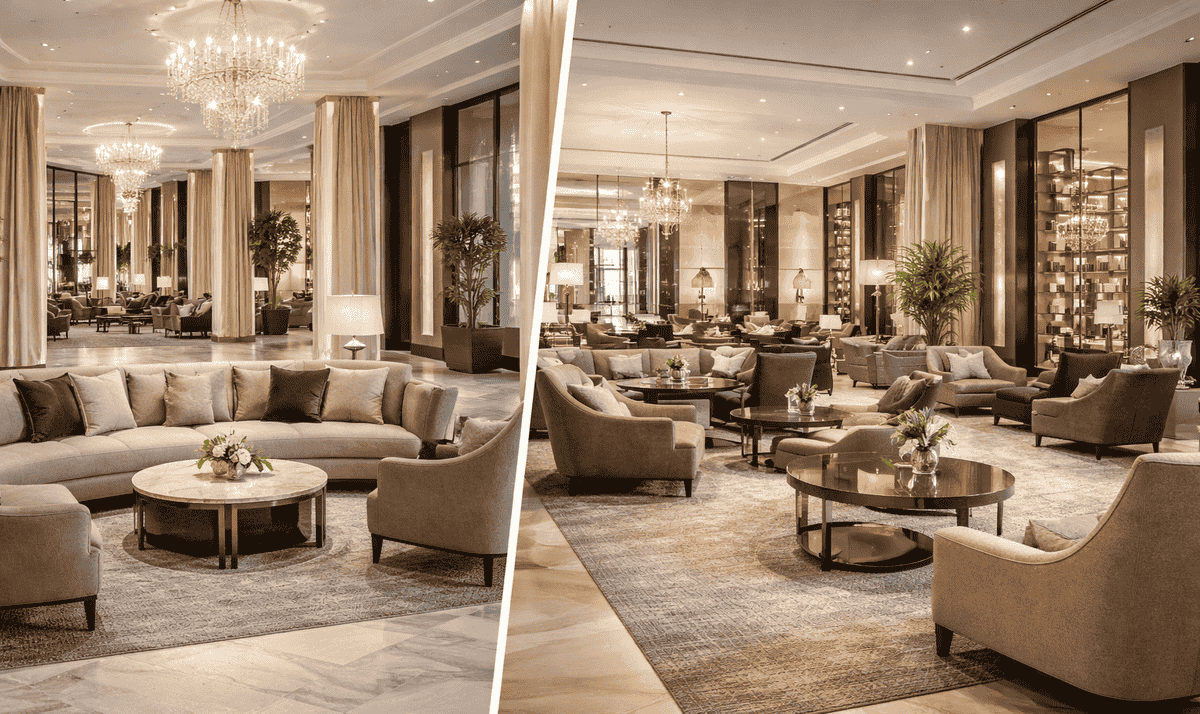
A hotel lobby sofa creates a strong sense of structure within the space. Sofas naturally anchor seating zones, making large lobbies feel organised and intentional. In luxury hotels, sofas often become the visual centrepiece of the lobby.

Key advantages of a hotel lobby sofa include:

  • Clear definition of seating areas
  • Consistent comfort across multiple guests
  • Strong visual presence that enhances perceived luxury

From a guest perspective, a well-designed hotel lobby sofa communicates stability and refinement. It encourages longer stays, casual meetings, and relaxed waiting—particularly important for premium and boutique hotels where atmosphere matters.


Lounge Seating: Flexibility and Spatial Freedom

Loose lounge seating typically includes individual armchairs, accent chairs, and side tables. This approach offers flexibility, especially in lobbies that serve multiple functions throughout the day.

Benefits of lounge seating include:

  • Easier reconfiguration for events or seasonal changes
  • Greater sense of openness in smaller lobbies
  • More personal seating experiences for individual guests

When integrated thoughtfully, lounge seating complements hotel lobby furniture layouts that prioritise movement and adaptability. However, without careful planning, it can lack cohesion and feel visually fragmented in larger luxury spaces.


Space Planning: Sofa Zones vs Scattered Seating

Space planning is where the real comparison begins. A hotel lobby sofa works best in medium to large lobbies where defined zones enhance flow. Sofas naturally guide guests, reducing confusion and creating intuitive circulation paths.

Loose lounge seating suits:

  • Compact boutique hotel lobbies
  • Multi-purpose spaces requiring flexibility
  • Informal, lifestyle-oriented hotel concepts

For luxury hotels, a hybrid approach is often the most effective—using a central hotel lobby sofa as an anchor, supported by complementary lounge chairs to soften transitions.


Guest Flow and Movement Efficiency

Guest flow is a critical operational factor. Poor seating placement can obstruct pathways, cause congestion, or create awkward circulation. A strategically positioned hotel lobby sofa helps channel movement while offering clear resting points.

Lounge seating, when scattered without intention, may disrupt flow. In contrast, structured luxury hotel furniture layouts improve navigation and maintain visual calm—an essential quality in high-end hospitality environments.


Perceived Luxury: Visual Weight vs Personal Comfort

Perceived luxury is shaped by scale, proportion, and material quality. A large, well-crafted hotel lobby sofa instantly signals investment and permanence. It reflects confidence and brand maturity, particularly in premium hotels.

Lounge seating, while comfortable, relies heavily on design consistency to achieve the same effect. Mismatched or lightweight pieces can dilute the luxury message if not curated carefully.

For European luxury hotels, guests often associate sofas with grandeur and reliability, while lounge chairs feel more casual and residential.


Boutique Hotels: Choosing the Right Balance

Boutique hotels face a unique challenge. Their lobbies are often smaller, yet expectations remain high. In these spaces, a compact hotel lobby sofa can provide structure without overwhelming the room.

Pairing a sofa with select lounge seating allows boutique hotels to:

  • Maintain intimacy
  • Offer varied seating experiences
  • Preserve visual harmony

This balance ensures hotel lobby furniture supports both brand storytelling and guest comfort.


Long-Term Value and Maintenance Considerations

From an ownership perspective, durability and maintenance matter. A high-quality hotel lobby sofa typically offers better long-term value due to uniform wear and easier upholstery management.

Loose lounge seating may require more frequent replacement due to uneven usage. Investing in durable luxury hotel furniture ensures visual consistency and reduces operational costs over time.


Conclusion: Which Seating Works Best?

There is no universal answer—but there is a strategic one. A hotel lobby sofa excels at creating structure, comfort, and a strong luxury impression. Lounge seating offers flexibility and intimacy when used intentionally.

For luxury, boutique, and premium hotels across Europe, the most effective solution often combines both. Anchoring the lobby with a statement hotel lobby sofa, supported by carefully selected lounge seating, delivers balance, efficiency, and refined elegance.

When hotel lobby furniture aligns with space planning and brand identity, the lobby becomes more than an entrance—it becomes an experience.