Modern vs Classic Hotel Pool Lounge Chairs: Which Style Fits Your Resort?

Outdoor spaces have become central to the luxury hospitality experience. Guests no longer view the poolside as a secondary feature—it is now a defining part of their stay. The choice between modern and classic hotel pool lounge chairs plays a crucial role in shaping how guests perceive comfort, design, and overall atmosphere.

For hotel owners and resort developers, selecting the right style is not just about aesthetics. It is about aligning hotel pool furniture with brand identity, guest expectations, and long-term usability. Both modern and classic styles offer unique advantages, and understanding their differences helps create a more intentional outdoor environment.


Why Poolside Design Matters in Luxury Hospitality

Pool areas are among the most photographed and shared spaces in a hotel. They are where guests relax, socialize, and spend extended periods throughout the day. Comfortable and well-designed hotel pool chairs can influence how long guests stay outdoors and how they interact with the space.

A cohesive poolside design enhances the visual appeal of the property while supporting functionality. The right hotel pool furniture ensures that the pool area feels inviting, balanced, and aligned with the overall design narrative of the hotel.


The Appeal of Modern Hotel Pool Lounge Chairs

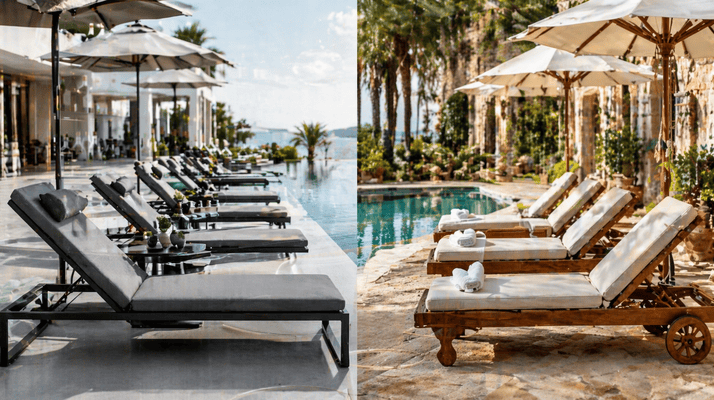
Modern design focuses on simplicity, clean lines, and functional elegance. Modern outdoor furniture often features minimalist silhouettes, neutral tones, and innovative materials that suit contemporary resorts and urban hotels.

Modern hotel pool lounge chairs are typically:

  • Sleek in form with low-profile structures
  • Built with lightweight yet durable materials
  • Designed for easy maintenance and flexibility

This style works particularly well in properties that emphasize sophistication and modern luxury. Resorts targeting younger or design-conscious guests often prefer modern hotel pool chairs because they create a calm and uncluttered visual experience.

Another advantage of modern design is adaptability. Minimalist hotel pool furniture can be easily paired with different textures, cushions, and accessories, allowing hotels to refresh the look without changing core pieces.


The Timeless Charm of Classic Resort Lounge Chairs

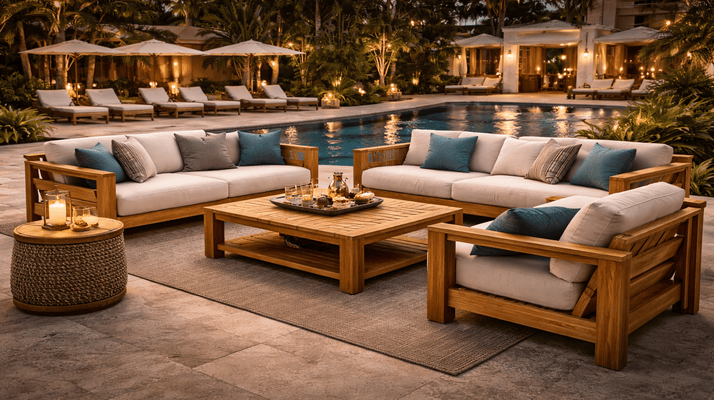
Classic styles draw inspiration from traditional resort aesthetics. They often incorporate warm tones, textured finishes, and more detailed craftsmanship. Classic hotel pool lounge chairs create a sense of familiarity and comfort that appeals to a broad audience.

Key features of classic designs include:

  • Rich materials such as wood or woven textures
  • Slightly more structured and decorative frames
  • A welcoming, relaxed resort feel

Classic hotel pool chairs are especially suitable for heritage properties, beach resorts, and Mediterranean-style hotels. They convey a sense of tradition and relaxation, which many luxury travelers associate with a premium holiday experience.

Unlike modern styles, classic hotel pool furniture often emphasizes comfort through deeper seating and softer visual appeal, making it ideal for leisure-focused environments.


Matching Style with Brand Identity

Choosing between modern and classic hotel pool lounge chairs should always reflect the identity of the property. A contemporary city hotel benefits from sleek, minimalist furniture, while a traditional resort may feel more authentic with classic designs.

Consider the following:

  • Modern style aligns with innovation, simplicity, and urban luxury
  • Classic style aligns with heritage, comfort, and timeless elegance

Consistency is key. Poolside furniture should complement other outdoor elements such as landscaping, lighting, and architectural details. When hotel pool furniture aligns with the brand story, it creates a more immersive guest experience.


Guest Expectations and Comfort

Comfort remains the most important factor regardless of style. Guests expect hotel pool chairs to support relaxation over extended periods. Ergonomic design, adjustable features, and durable materials are essential in both modern and classic options.

Modern hotel pool lounge chairs often provide streamlined comfort with adjustable backrests, while classic styles focus on a more cushioned and inviting feel. The choice depends on how guests are expected to use the space.

Luxury hospitality requires balancing visual appeal with physical comfort. High-quality hotel pool furniture ensures that guests feel relaxed and valued.


Durability and Maintenance Considerations

Outdoor environments demand resilient materials. Exposure to sunlight, moisture, and frequent use requires furniture that maintains both structure and appearance over time.

Modern hotel pool furniture typically uses advanced materials designed for weather resistance and low maintenance. Classic designs, while visually appealing, may require more attention depending on the materials used.

Selecting durable hotel pool lounge chairs helps reduce maintenance efforts and ensures long-term performance, making them a practical investment for hotel owners.


Can You Combine Modern and Classic Styles?

Many resorts are now blending both styles to create a distinctive look. Combining modern hotel pool lounge chairs with classic accents can result in a balanced and unique outdoor space.

For example, minimalist loungers paired with textured cushions or traditional side tables can create visual contrast while maintaining harmony. This approach allows hotels to stand out without committing fully to one style.


Conclusion: Finding the Right Balance

There is no single answer to which style is better. Both modern and classic hotel pool lounge chairs offer valuable design advantages. The key is understanding the brand, guest expectations, and overall atmosphere you want to create.

Modern designs bring clarity and sophistication, while classic styles offer warmth and familiarity. When chosen thoughtfully, the right hotel pool furniture enhances guest experience, strengthens brand identity, and elevates the overall appeal of the resort.

For hotel owners, the most effective approach is not to follow trends blindly, but to create a consistent and comfortable environment where guests naturally want to relax and stay longer.
How Hospitality Furniture Suppliers Impact Hotel Project Timelines

Opening a new property or managing a major renovation in the European market is a race against the clock. For hotel owners, every day the doors remain closed represents a significant loss in potential RevPAR (Revenue Per Available Room). While architectural shifts and construction permits often take the blame for delays, the efficiency of your hospitality furniture suppliers is frequently the most critical variable in the equation.

Selecting the right partner for your luxury hotel furniture is not just an aesthetic choice; it is a logistical one. From the initial design phase to the final installation, the synergy between ownership and hotel furniture manufacturers determines whether your project crosses the finish line on schedule or falls into a costly bottleneck.


Production Capacity and the Manufacturing Bottleneck

The journey of luxury hospitality furniture begins on the factory floor. One of the primary ways hospitality furniture suppliers impact your timeline is through their raw production capacity. If a manufacturer is overleveraged with multiple global accounts, your boutique project might be pushed to a secondary shift.

Before signing a contract, it is vital to audit the infrastructure of your hotel furniture manufacturers. Do they have the specialized machinery and skilled labor force to handle high-volume orders of hotel furniture without compromising on the artisanal details required for a premium hotel? A supplier with scalable production can absorb minor setbacks, ensuring that a surge in demand doesn’t translate into a three-month delay for your guestroom fit-out.


Navigating Lead Times in the Modern Global Economy

Lead times are the heartbeat of any hotel project. In the current EU climate, where material costs and shipping routes are subject to rapid change, hospitality furniture suppliers must be transparent about their timelines. The procurement of luxury hospitality furniture often involves exotic woods, bespoke fabrics, and custom metalwork—all of which have independent supply chains.

Experienced hospitality furniture suppliers mitigate these risks by maintaining a robust inventory of raw materials. By working with established hotel furniture manufacturers who source locally or have priority contracts with material providers, hotel owners can shave weeks off their delivery estimates. When lead times are accurately projected and met, the entire interior design team can schedule their work with precision.


Logistics and Delivery Coordination: The Final Mile

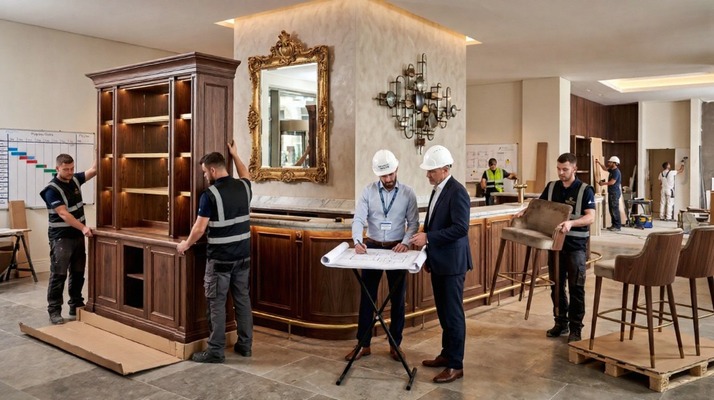
The arrival of luxury hotel furniture at your site is a high-stakes logistical ballet. In urban centers like London, Paris, or Berlin, delivery windows are often restricted to narrow timeframes. If your hospitality furniture suppliers lack a sophisticated logistics department, the arrival of hotel furniture can cause massive site congestion.

Efficient hotel furniture manufacturers provide more than just crates; they provide “White Glove” coordination. This includes phased deliveries where luxury hospitality furniture arrives exactly when the rooms are ready for installation. This prevents on-site damage and eliminates the need for expensive off-site storage. When your hospitality furniture suppliers manage the “final mile” with professional care, the transition from construction site to luxury guestroom happens seamlessly.


Project Execution: The Importance of Communication

Even the most beautiful luxury hotel furniture can become a liability if the supplier’s project management is poor. The best hospitality furniture suppliers assign a dedicated project manager to every account. This individual acts as the single point of contact between the hotel furniture manufacturers and the hotel owner’s onsite team.

Consistent communication ensures that if a delay does occur—such as a shipping strike or a material shortage—it is communicated early. This transparency allows hotel owners to adjust their marketing and grand opening dates in real-time. In the world of hotel furniture, no news is rarely good news; active, honest engagement from your supplier is the ultimate safeguard for your timeline.


Conclusion: Choosing a Strategic Partner

Ultimately, your hospitality furniture suppliers are more than just vendors; they are the guardians of your opening date. By prioritizing suppliers who demonstrate a clear grasp of production capacity, logistics, and transparent lead times, you protect your investment from the “hidden” costs of delays.

Whether you are furnishing a high-end boutique hotel or a sprawling premium resort, the quality of your hotel furniture must be matched by the reliability of the manufacturer. When you choose a partner who values your timeline as much as your aesthetic, you ensure that your guests are checking in exactly when you promised.

How a Luxury Bedroom Dresser Can Transform the Whole Room

Most homeowners view the bed as the undisputed protagonist of the sleeping quarters. While the mattress provides the comfort, it is actually the storage furniture that dictates the room’s character and cleanliness. A high-quality luxury bedroom dresser is far more than a place to tuck away linens; it is a foundational anchor that can shift the entire mood of your sanctuary from cluttered to curated.

When you walk into a five-star suite, you immediately notice a sense of “visual quiet.” This atmosphere is largely created by hotel bedroom furniture that prioritizes seamless integration and heavy-duty elegance. By choosing the right dresser, you are essentially selecting a centerpiece that bridges the gap between functional utility and high-end art.


Establishing an Architectural Anchor

Large-scale furniture pieces act as the “bones” of a room. In many luxury bedroom suites, the dresser serves as the primary horizontal plane that balances the verticality of the headboard. If your dresser is too small or made of flimsy materials, the room feels disjointed and “floating.”

Conversely, luxury dressers crafted from solid hardwoods, topped with marble, or finished with hand-applied gold leaf provide a sense of permanence. This weightiness anchors the space, making the walls feel more established and the ceiling higher. It provides a visual destination for the eye, ensuring that the room feels intentionally designed rather than just “furnished.”


The Secret to a Clutter-Free Sanctuary

We often underestimate the psychological impact of visible clutter. In the world of high-end design, “clutter” is the enemy of rest. Luxury bedroom dressers are engineered with superior joinery—such as soft-close dovetail drawers—that encourages you to keep your belongings organized.

When everything has a dedicated home inside a beautiful vessel, the exterior surfaces remain clear. This allows the grain of the wood or the shimmer of the hardware to stand out. Moving away from utilitarian storage and toward luxury dressers means you are choosing to hide the chaos of daily life behind a facade of absolute sophistication.


Styling the Surface: Creating a Vignette

The surface of your dresser is a prime opportunity to inject personality into your space. Because luxury bedroom dressers are built with high-quality finishes, they provide the perfect “stage” for a curated vignette.

Consider the “Rule of Three” when styling. Place a tall, architectural lamp on one side, a medium-sized piece of framed art leaning against the wall, and a smaller textural element—like a shagreen jewelry box or a fresh floral arrangement—in the center. This layered approach draws the eye and makes the luxury dressers feel like a bespoke gallery installation rather than just a chest of drawers.


Before and After: The Impact of Scale and Material

To truly understand the transformation, imagine a bedroom with mismatched, flat-pack nightstands and a plastic-laminate dresser. The room feels temporary and transitional. Now, replace those items with a cohesive set of hotel bedroom furniture.

Immediately, the acoustics of the room change; heavy wood absorbs sound better than thin particle board. The light reflects differently off a lacquered or polished surface. By upgrading to luxury bedroom dressers, you aren’t just changing a furniture piece; you are changing the “resonance” of the room. The space moves from a place where you simply sleep to a suite where you truly reside.


Coordinating with Luxury Bedroom Suites

While a statement dresser can stand alone, it reaches its full potential when it speaks to the rest of the luxury bedroom suites. You do not necessarily need a matching set, but there should be a “material thread” that connects the dresser to the bed frame or the seating area.

If your bed features brass accents, look for luxury dressers with matching hardware. If your room is defined by soft, upholstered textures, a dresser with a high-gloss finish provides the perfect reflective contrast. This intentional layering of materials is what gives hotel bedroom furniture its signature polished look.


Conclusion: A Foundation for Better Living

A dresser is one of the few furniture pieces you interact with every single day, from the moment you get dressed in the morning to the moment you put away your watch at night. Investing in a luxury bedroom dresser is a commitment to a higher standard of daily living.

By prioritizing craftsmanship, scale, and material, you turn a functional necessity into a transformative design element. Whether you are aiming for the grand opulence of luxury bedroom suites or the refined calm of a boutique getaway, the right dresser is the key to unlocking your room’s true potential.

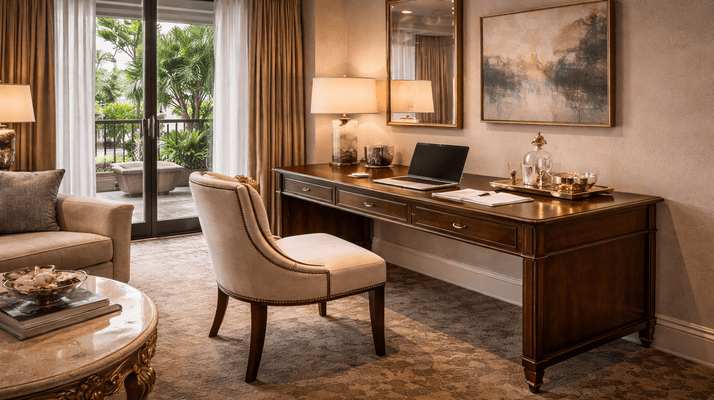
From Check-In to Check-Out: Creating Memorable Workspaces with Luxury Hotel Room Desks

The modern traveler has evolved. For the discerning guest frequenting Europe’s finest establishments, the hotel room is no longer just a place to sleep; it is a temporary home, a private sanctuary, and—increasingly—a high-stakes office. As the “bleisure” trend continues to dominate the premium market, the humble hotel room desk has moved from a corner afterthought to a central pillar of guest satisfaction.

For property owners, the investment in high-quality hotel room furniture is no longer purely aesthetic. It is a strategic move to accommodate the digital nomad and the executive traveler who demand a seamless transition from their morning check-in to their final check-out.


The Journey Begins: First Impressions of the Guest Workspace

Imagine a guest arriving at a boutique hotel in the heart of Berlin or a grand estate in the rolling hills of Tuscany. After the warm greeting at reception, they enter their suite. Their first instinct? To set down their laptop and smartphone. If they encounter a flimsy, cramped surface, the spell of luxury is immediately broken.

However, when that guest discovers a substantial, hand-finished hotel room desk, the narrative changes. A well-designed workspace tells the guest that their professional needs are respected. Within the broader context of luxury hotel furniture, the desk serves as an anchor. It provides a tactile sense of stability and elegance that encourages the guest to settle in, stay longer, and—crucially—rebook for their next business trip.


The Emotional Connection: Why a Desk Matters for Leisure

While we often associate desks with work, in a premium hotel, the hotel room desk serves a dual purpose. It is the place where a guest writes a postcard, plans their city route, or enjoys an intimate in-room breakfast. This is where the “story” of their stay is often written.

By choosing hotel room furniture that balances form and function, hotel owners create an emotional connection. A desk crafted from rich walnut or topped with Italian marble doesn’t just hold a lamp; it holds an atmosphere. When luxury hotel furniture feels personal and high-end, the guest feels valued. This psychological comfort is what transforms a standard stay into a memorable experience that justifies premium room rates.


Case Study: The Transformation of an Urban Boutique Suite

Consider a recent renovation project for a premium hotel in London’s financial district. The property was struggling with “one-night-only” bookings from corporate travelers who felt the rooms were too clinical. The solution was a complete overhaul of the hotel room furniture, with a specific focus on the work zone.

The design team replaced standard laminate surfaces with bespoke, leather-topped luxury hotel furniture pieces. They integrated hidden power hubs and ergonomic lighting into each hotel room desk. The results were immediate:

  • Extended Stays: The average length of stay increased by 22% as guests found they could work comfortably without seeking out local cafes.
  • Positive Reviews: Mentions of the “office setup” and “workspace comfort” appeared in 40% of new online reviews.
  • Direct Bookings: Repeat business from corporate clients rose, as the room now functioned as a true home-office away from home.


Maintaining Excellence: Longevity and Care in High-Traffic Zones

For a hotel owner, the beauty of hotel room furniture must be matched by its durability. High-traffic hospitality environments are unforgiving. A hotel room desk faces daily use, from heavy luggage being rested on its surface to the heat of laptops and the occasional coffee spill.

To ensure your luxury hotel furniture maintains its “day-one” luster, consider these maintenance best practices:

  1. Material Selection: Opt for hard-wearing hardwoods like oak or teak, or treat softer woods with high-grade, heat-resistant lacquers.
  2. Integrated Protection: Use subtle glass or stone inserts in high-wear areas to prevent staining and scratching.
  3. Regular Refurbishment: Establish a quarterly schedule for polishing and checking the structural integrity of all hotel room furniture.

When you invest in luxury hotel furniture that is built to last, you reduce your long-term replacement costs and ensure that the guest experience never dips in quality.


The Final Check-Out: A Lasting Impression

As the guest prepares to leave, they should look back at their room and feel a sense of accomplishment and relaxation. A significant portion of that feeling comes from the functionality of the room. Did they meet their deadlines? Was their morning coffee enjoyed at a beautiful, stable surface?

By prioritizing the hotel room desk, you are not just buying a piece of wood and metal; you are investing in the guest’s productivity and peace of mind. In the competitive EU market, where boutique charm meets corporate demand, your choice of hotel room furniture is your most silent yet powerful marketing tool.


Conclusion: Elevate Your Property Today

Is your property ready for the modern professional? The transition from check-in to check-out should be a journey of seamless luxury. By integrating a sophisticated hotel room desk into your suites, you offer more than just a room—you offer a lifestyle. Explore our latest collection of luxury hotel furniture and discover how the right workspace can transform your guest satisfaction scores.

Sustainable Luxury Hotel Pool Furniture: Handcrafted Teak and Recycled Materials That Last Decades

In the modern hospitality landscape, luxury is no longer defined solely by opulence, but by responsibility. As global travelers become increasingly eco-conscious, the demand for hotel pool furniture that respects the environment without sacrificing style has reached an all-time high.

The challenge for high-end resorts is finding that perfect intersection where sustainability meets the timeless glamour of Art Déco or Neoclassical design. By focusing on handcrafted teak and innovative recycled composites, properties can invest in a future that looks as good as it feels.

The Gold Standard: Sustainably Sourced Handcrafted Teak

Teak has long been the preferred choice for hotel outdoor furniture due to its natural oils and incredible density. However, not all wood is created equal. Sustainable luxury relies on FSC-certified (Forest Stewardship Council) teak, ensuring that every piece of furniture supports responsible forest management.

When teak is handcrafted into Neoclassical silhouettes—featuring elegant tapered legs and subtle carvings—it provides a warmth and character that synthetic materials simply cannot replicate. These hotel pool chairs don’t just sit on a deck; they age gracefully, developing a sophisticated silver patina that speaks to the history and longevity of the property.

Eco-Friendly Composites: The New Age of Art Déco

While wood remains a classic, 2026 has seen a surge in high-end eco-friendly composites. These materials often utilize ocean-bound plastics and recycled resins to create sleek, high-gloss finishes reminiscent of the Art Déco era.

Imagine hotel pool lounge chairs with bold, geometric lines and smooth, ivory-like surfaces. These pieces offer the visual weight and premium feel of traditional materials while diverting waste from our ecosystems. These composites are non-porous and incredibly easy to sanitize, making them an ideal choice for high-traffic poolside environments.

Balancing Green Credentials with Timeless Glamour

The misconception that “green” furniture looks rustic or “DIY” is a thing of the past. Sustainable hotel pool furniture today is indistinguishable from the most expensive bespoke collections.

By utilizing traditional joinery techniques and artisan craftsmanship, eco-friendly pieces maintain the structural integrity required for commercial use. Whether it is a grand poolside table with an ornate pedestal base or minimalist hotel pool chairs, the focus remains on “slow furniture”—pieces designed to be maintained and repaired rather than replaced every three seasons.

The Longevity Dividend: Decades of Performance

Sustainability is inherently linked to durability. A product that lasts twenty years is infinitely better for the planet than a “budget” option that ends up in a landfill after twenty months.

Premium hotel outdoor furniture built from high-grade teak or recycled composites is engineered to withstand:

  • Extreme UV exposure without warping.
  • Constant moisture and chlorine splashes.
  • Heavy daily use by diverse guest demographics.

This longevity offers significant long-term savings by reducing the frequency of procurement cycles. Investing in quality once means avoiding the logistical and environmental costs of constant replacement.

Certifications That Build Guest Trust

Transparency is the currency of the modern guest. Displaying certifications like Greenguard Gold or Cradle to Cradle for your hotel pool lounge chairs provides a narrative of care.

When guests lounge by the water, knowing that the furniture beneath them was created without toxic glues or endangered timbers, their relaxation is deepened. It fosters a sense of alignment between the guest’s personal values and the hotel’s brand identity, often sparking positive reviews and word-of-mouth recommendations.

Maintenance and the “Before/After” Story

One of the most engaging aspects of sustainable materials like teak is their ability to be restored. Unlike plastic furniture that becomes brittle and dull, handcrafted hotel outdoor furniture can be sanded and oiled to look brand new.

Sharing these “durability stories” with your audience—showing a chair after ten years of service vs. a freshly restored piece—proves the value of the investment. It highlights a commitment to craftsmanship and stewardship that resonates with sophisticated travelers who appreciate the “old world” approach to quality.

Conclusion: A Greener Vision for the Poolside

The shift toward sustainable luxury is a permanent evolution in design. By choosing hotel pool furniture that prioritizes recycled materials and responsibly sourced woods, hoteliers are making a statement about their brand’s longevity and ethics.

The result is a poolside environment that feels curated, luxurious, and deeply connected to the natural world. As we look toward the future of hospitality, the most successful properties will be those that realize the most beautiful furniture is the kind that protects the environment it inhabits.

Oversized Hotel Room Wardrobe for Suite Luxury: Creating Walk-In Impressions in Standard Rooms

The psychological impact of a guest room often hinges on the feeling of abundance. When a guest opens the door to their room, they aren’t just looking for a bed; they are looking for a temporary home that feels more indulgent than their own. One of the most effective ways to trigger this “suite luxury” sensation is through the strategic use of an oversized hotel room wardrobe.

By reimagining the proportions of storage, hoteliers can create the prestigious impression of a walk-in closet, even within the footprint of a standard room. This shift from utilitarian storage to a grand architectural statement is the secret to elevating the guest experience.

The Neoclassical Influence on Modern Storage

Incorporating Neoclassical or Baroque detailing into hotel bedroom furniture transforms a simple box into a masterpiece. Think of tall, majestic wardrobes featuring intricate crown moldings, fluted pilasters, and antiqued metallic hardware.

These design elements draw the eye upward, emphasizing the vertical space and giving the room a sense of height and grandeur. When a hotel room wardrobe is treated as a piece of fine art rather than just a place to hang a coat, it anchors the entire design scheme, providing a focal point that screams luxury.

Creating the “Walk-In” Illusion

You do not need a 50-square-meter suite to offer the luxury of a walk-in closet. The secret lies in the “envelope” effect. By installing a wide-set, floor-to-ceiling hotel room furniture unit, you create a dedicated dressing zone.

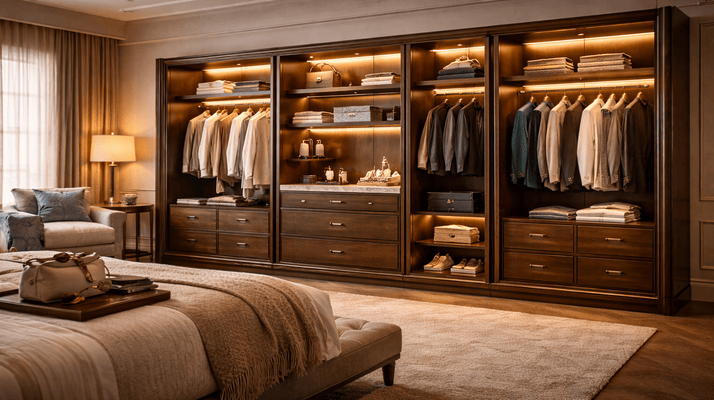
When the doors open to reveal integrated LED lighting, velvet-lined jewelry drawers, and organized shelving, the guest feels they have stepped into a private dressing room. This immersive experience is what differentiates a high-end boutique property from a standard commercial hotel. The wardrobe becomes a transitional space that makes the room feel segmented and thoughtfully planned.

Balancing Generous Proportions with Smart Scaling

A common concern is that oversized hotel bedroom furniture might overwhelm a smaller room. However, smart scaling can prevent this. To maintain a sense of openness while using a large hotel room wardrobe, consider these design tips:

  • Mirrored Panels: Using antique-wash or clear mirrors on wardrobe doors reflects light and doubles the perceived depth of the room.
  • Recessed Installation: If the architecture allows, “burying” the wardrobe into a wall niche creates a seamless, built-in look that feels less intrusive.
  • Light Finishes: Soft creams, champagne silvers, or light wood grains with gold leaf accents provide a sense of “lightness” despite the large physical size.

The Functionality of Indulgence

In 2026, the modern traveler carries more than just clothing. They have gadgets, skincare routines, and multiple pairs of shoes. A generous hotel room wardrobe provides the organization needed to keep the rest of the room clutter-free.

When the hotel room furniture includes dedicated compartments for everything from a laptop safe to a steam iron, the guest feels a sense of calm. A clutter-free room is a luxury room. By providing ample space to “tuck away” the mess of travel, you allow the design of the bedroom to shine.

Photography and the “Dream Suite” Spark

In the world of online bookings, visuals are everything. A standard closet is rarely photographed, but a grand, Baroque-inspired hotel room wardrobe is a centerpiece.

High-contrast photography that showcases the interior lighting and craftsmanship of your hotel bedroom furniture sparks “dream suite” discussions on social media. Potential guests are drawn to the promise of a glamorous stay where they can unpack their belongings into a space that feels like a high-end fashion boutique. This aspirational appeal is a powerful tool for increasing direct bookings.

Craftsmanship That Lasts

Luxury is as much about durability as it is about aesthetics. High-quality hotel room furniture must withstand the rigors of high turnover while maintaining its flawless finish.

Choosing wardrobes crafted from solid hardwoods with reinforced hinges ensures that the “luxury” doesn’t fade after the first season. Guests can feel the quality in the weight of the door and the smoothness of the drawer glides. This tactile feedback reinforces the premium nature of the brand every time the guest interacts with the furniture.

Conclusion: Redefining the Standard Stay

The transition from a standard room to a luxury experience doesn’t always require a massive renovation. Sometimes, it simply requires one bold choice. An oversized, beautifully detailed hotel room wardrobe changes the narrative of the space.

It tells the guest that their comfort and their belongings are valued. By prioritizing grand-scale hotel bedroom furniture, you create a lasting impression of opulence that resonates long after the guest has checked out. Elevate your standard rooms by giving them the “walk-in” treatment they deserve, and watch as guest satisfaction and social sharing reach new heights.

How Luxury Hotel Furniture Impacts Guest Stay Duration and Spending

Guest experience is shaped by more than service and location. The physical environment inside a hotel plays a powerful role in influencing how long guests stay, how comfortable they feel, and how much they spend. Thoughtfully selected luxury hotel furniture transforms a hotel from a place to sleep into a destination where guests choose to linger, dine, relax, and return.

Across luxury hotels and boutique properties in Europe, furniture design has become a strategic investment. Carefully planned luxury hospitality furniture enhances comfort, encourages guest engagement, and increases on-property spending. From hotel bedroom furniture to hotel dining chairs and lounge seating, every furniture element contributes to revenue potential.


Why Guest Comfort Directly Impacts Revenue

Luxury travelers expect comfort, convenience, and elegance throughout their stay. When guests feel relaxed and at ease, they naturally spend more time inside the property. Comfortable luxury hotel furniture encourages guests to use hotel amenities such as restaurants, lounges, and in-room services.

When furniture fails to deliver comfort, guests often leave the hotel for external dining, meetings, or relaxation. In contrast, well-designed luxury hospitality furniture keeps guests within the property, increasing opportunities for additional revenue.


Hotel Bedroom Furniture and Longer Guest Stays

The guest room is where visitors spend most of their time. Comfortable hotel bedroom furniture directly influences sleep quality, relaxation, and overall satisfaction. When rooms feel inviting and well-equipped, guests are more likely to extend their stay.

High-quality hotel bedroom furniture typically includes:

  • Comfortable beds and headboards
  • Functional desks and seating
  • Storage solutions and wardrobes

In luxury hotels, adding a hotel room sofa or elegant hotel room chairs creates a secondary relaxation area. This encourages guests to remain in their rooms longer, order room service, or conduct informal meetings—ultimately increasing spending within the hotel.


Lounge Seating Encourages Social Interaction

Public seating areas are key revenue drivers. Comfortable lounge spaces featuring premium luxury hotel furniture invite guests to relax, socialize, and spend more time in shared areas.

Strategically placed hotel room chairs and lounge sofas create inviting environments for:

  • Informal business meetings
  • Social gatherings
  • Extended waiting periods

When guests spend more time in hotel lounges, they are more likely to purchase drinks, snacks, and additional services. This makes luxury hospitality furniture an important factor in increasing operational revenue.


Hotel Dining Furniture and Guest Spending

Dining areas are another major opportunity for increasing revenue. Comfortable hotel dining chairs and well-designed hotel dining tables encourage guests to choose in-house dining rather than external restaurants.

Luxury dining furniture contributes to:

  • Longer meal durations
  • Increased beverage and dessert orders
  • Repeat dining experiences during the stay

Guests who feel comfortable in restaurant seating are more likely to spend additional time and money. Premium hotel dining chairs combined with elegant hotel dining tables create an atmosphere that encourages guests to linger.


In-Room Seating and Premium Guest Experience

Adding seating areas within guest rooms significantly enhances perceived luxury. A thoughtfully positioned hotel room sofa transforms the room into a private lounge, improving comfort and flexibility.

Guests often use these seating areas for:

  • Work sessions
  • Relaxation
  • Private dining

Similarly, comfortable hotel room chairs allow guests to enjoy the space beyond the bed. These additions enhance the value of hotel bedroom furniture, making rooms feel more spacious and luxurious.


Luxury Hospitality Furniture and Brand Perception

Furniture quality communicates brand standards. High-end luxury hotel furniture signals attention to detail and professionalism. Guests who perceive a hotel as premium are more likely to engage with additional services.

Well-designed luxury hospitality furniture enhances:

  • Guest trust
  • Perceived value
  • Brand reputation

This improved perception encourages guests to explore additional amenities such as spa services, dining, and room upgrades.


Boutique Hotels and Guest Engagement

Boutique hotels rely heavily on atmosphere and comfort to differentiate themselves. Carefully curated luxury hotel furniture helps create intimate spaces that encourage guest interaction.

Boutique hotels benefit from:

  • Cozy lounge areas
  • Comfortable hotel room sofas
  • Elegant hotel dining chairs

These features promote longer guest engagement, resulting in increased spending throughout the stay.


Furniture Layout and Guest Flow

Strategic placement of luxury hospitality furniture also affects guest movement. Inviting seating areas naturally guide guests toward lounges, restaurants, and social spaces.

Effective layout planning ensures:

  • Comfortable pathways
  • Attractive seating zones
  • Balanced visual appeal

When hotel bedroom furniture and public seating areas are thoughtfully integrated, guests feel encouraged to explore and spend more time within the hotel.


Long-Term ROI of Luxury Hotel Furniture

Investing in durable luxury hotel furniture provides long-term financial benefits. High-quality materials reduce maintenance costs and maintain visual appeal over time.

Durable hotel dining tables, hotel room chairs, and hotel bedroom furniture ensure:

  • Consistent guest experience
  • Reduced replacement costs
  • Higher satisfaction ratings

Luxury hospitality furniture not only improves guest comfort but also strengthens profitability.


Conclusion: Furniture as a Revenue Driver

Luxury hotels that invest in premium furniture create environments where guests naturally choose to stay longer and spend more. From comfortable hotel bedroom furniture to elegant hotel dining chairs and inviting hotel room sofas, each piece contributes to the guest journey.

Strategically selected luxury hotel furniture enhances comfort, improves brand perception, and increases revenue opportunities. For hotel owners across Europe, investing in high-quality luxury hospitality furniture is not simply about aesthetics—it is about creating experiences that drive guest engagement and long-term profitability.

The Ultimate Buyer’s Guide to Hotel Lobby Sofas: What Hospitality Designers Actually Look For

First impressions are everything in hospitality.

Before a guest checks in, before they taste the food or experience the service — they sit down. That first moment of contact with your hotel lobby seating shapes their entire perception of your property.

Choosing the wrong sofa is a costly mistake. Choosing the right one is a long-term investment in guest satisfaction, brand identity, and operational efficiency.

This guide breaks down exactly what experienced hospitality designers evaluate before selecting hotel lobby sofas — so you can buy with confidence.


1. Durability Ratings: Built for High-Traffic Environments

A residential sofa is designed for occasional use. A commercial-grade hotel lobby sofa is engineered for thousands of sits per year.

The key metric to know is the rub count — a measure of fabric durability tested using the Wyzenbeek or Martindale method.

  • Residential use: 15,000 – 25,000 rubs
  • Commercial/light hospitality use: 30,000 – 50,000 rubs
  • Heavy-duty hotel lobby use: 100,000+ rubs

Always confirm the durability rating before purchasing. A sofa that looks stunning but carries a low rub count will show wear within months in a busy lobby.

Designer tip: Hospitality professionals never compromise on durability ratings regardless of how attractive the design is. Aesthetics fade — structural integrity doesn’t.


2. Frame Construction: The Backbone of Every Great Sofa

The frame determines how long your hotel lobby furniture lasts.

Designers consistently prioritize these frame materials:

Kiln-Dried Hardwood — The gold standard. Resistant to warping, cracking, and moisture. Ideal for lobbies in humid climates.

Steel or Reinforced Metal Frames — Excellent for modern, minimalist designs. Extremely strong and resistant to structural fatigue under heavy use.

Engineered Wood (Avoid) — Common in budget options. Prone to weakening over time, especially in high-traffic commercial settings.

Additionally, look for corner-blocked joints and double-dowelled connections — these structural reinforcements significantly extend the lifespan of any commercial sofa.


3. Fabric Grades Explained: Choosing the Right Upholstery

Fabric selection is where most buyers make their biggest mistakes.

Hotel lobby furniture demands upholstery that can withstand spills, cleaning chemicals, sunlight, and daily friction — without losing its visual appeal.

Here’s how fabric grades typically break down:

Grade Best For Key Characteristics
Grade A Budget-conscious lobbies Basic durability, limited patterns
Grade B Mid-tier hotel properties Improved rub count, wider color range
Grade C Upscale hotel lobbies Premium texture, high durability
Grade D/E Luxury hotel furniture Designer fabrics, COM options available

Top fabric choices used in hospitality design:

  • Performance Velvet — Luxurious appearance with stain-resistant treatment
  • Contract-Grade Linen Blend — Breathable, elegant, and professionally cleanable
  • Faux Leather / Vegan Leather — Easy to wipe clean, ideal for high-spill zones
  • Bouclé — Trending in upscale lobbies for its textured, warm aesthetic

Always ask for a COM (Customer’s Own Material) option if you want full control over your lobby’s design language.


4. Weight Capacity and Scale: Getting the Proportions Right

Oversized sofas can overwhelm a compact lobby. Undersized pieces look out of place in grand reception halls.

Designers evaluate weight capacity and dimensional scale simultaneously.

For commercial hotel lobby seating, the standard weight capacity benchmark is 300–400 lbs per seat. Modular and sectional configurations often distribute weight more effectively.

Proportion guidelines hospitality designers follow:

  • Sofa seat height: 17–19 inches (comfortable for most guests)
  • Seat depth: 20–24 inches (supportive without being too casual)
  • Allow 30–36 inches of circulation space around each seating cluster

Getting scale right ensures the lobby feels welcoming — not crowded, not sparse.


5. Ease of Maintenance: The Overlooked Priority

Even the most stunning luxury hotel furniture needs regular cleaning.

Designers factor in maintenance before finalizing any sofa specification:

  • Removable cushion covers allow for deep cleaning without moving the entire sofa
  • Antimicrobial fabric treatments are standard in post-pandemic hospitality design
  • Contrast piping and dark bases hide everyday scuffing more effectively than light solid finishes
  • Modular designs allow individual sections to be replaced rather than discarding the entire piece

A sofa that’s difficult to maintain will cost significantly more in the long run.


Quick Comparison: What to Prioritize by Hotel Type

Hotel Type Frame Priority Fabric Grade Rub Count
Budget/Economy Hotel Engineered wood acceptable Grade A–B 30,000+
Mid-Scale Property Hardwood preferred Grade B–C 50,000+
Upscale Hotel Kiln-dried hardwood Grade C–D 100,000+
Luxury/Boutique Hotel Hardwood or steel Grade D–E / COM 100,000+


Make Your Hotel Lobby Seating Work Harder

The right hotel lobby sofa is never just a place to sit — it’s a statement about your brand, a commitment to guest comfort, and a smart long-term investment.

By evaluating durability ratings, frame construction, fabric grades, weight capacity, and maintenance requirements, you make purchasing decisions that serve your property for years — not just seasons.

Explore our full collection of commercial-grade hotel lobby furniture designed to meet the demands of modern hospitality — built beautifully, built to last.

10 Luxury Hotel Bedroom Furniture Pieces That Turn an Ordinary Room Into an Unforgettable Stay

A guest can forget the thread count. They can forget the view. But they rarely forget how a room made them feel the moment they walked in.

That feeling — of being genuinely welcomed into a space that was designed with care — is built almost entirely through hotel bedroom furniture. Not through the artwork on the walls or the scent diffuser by the door, but through the weight, scale, texture, and proportion of the physical pieces that fill the room.

Here are ten furniture pieces that consistently separate remembered stays from forgettable ones.


1. The Sculptural Bed Frame

Everything in a hotel bedroom radiates outward from the bed, which makes the frame the single most important specification decision in any luxury hotel bedroom set.

A sculptural bed frame — whether upholstered in performance velvet, crafted from ebony-stained hardwood, or defined by an arched architectural form — establishes the room’s entire design language within seconds of a guest entering the space.

It should be proportioned generously, sitting at a height that feels accessible without feeling low, and finished in a material that invites touch.


2. The Statement Upholstered Headboard

If the bed frame sets the room’s tone, the headboard delivers its personality.

Tall upholstered headboards in channel-stitched leather, buttoned velvet, or softly quilted fabric create an immediate sense of indulgence that guests associate with genuine luxury hotel furniture. They also serve a practical function — providing a comfortable surface to lean against during morning coffee or late-night reading.

Proportion matters enormously here. A headboard that extends generously toward the ceiling transforms an ordinary wall into a focal point.


3. Matching Bedside Nightstands

A well-considered hotel bedroom set always treats the nightstands as essential rather than supplementary.

Guests use these surfaces constantly — for phones, glasses, books, water, and room service menus. A nightstand that is too small, too low, or too shallow in depth creates friction in the daily guest routine in a way that is immediately felt, even if it is never consciously articulated.

Nightstands with a refined finish, generous surface area, and at least one drawer elevate the perceived quality of the entire room.


4. The Upholstered Bedroom Bench

Placed at the foot of the bed, the bedroom bench is one of the most quietly impactful pieces in luxury hotel bedroom furniture specification.

It gives guests a surface for laying out clothing, a seat for putting on shoes, and a visual anchor that grounds the bed within the room. In purely aesthetic terms, it adds a layer of completeness that makes the difference between a room that feels finished and one that feels assembled.


5. The Writing Desk

The writing desk signals to guests that the property takes their time seriously.

In luxury hotel furniture contexts, the desk should be deep enough for genuine use — not merely decorative — with a surface material that feels considered. Paired with a properly upholstered desk chair, it creates a working zone that business travellers appreciate and leisure guests use more than hoteliers often expect.


6. The Accent Lounge Chair

No single piece of hotel bedroom furniture communicates considered luxury quite like a well-placed lounge chair.

It is where guests decompress, take calls, read, and spend the quiet hours that they remember most fondly from a stay. A sculptural accent chair — in a complementary fabric, with a seat depth that genuinely supports relaxed sitting — transforms a bedroom into something closer to a private retreat.


7. The Full-Length Mirror

Mirrors are functional necessities, but in a luxury hotel bedroom set, they are also spatial tools.

A full-length mirror in a refined frame — whether leaning against the wall or mounted with architectural precision — adds depth to the room, amplifies natural light, and provides guests with the practical surface they use every single morning and evening of their stay.


8. The Wardrobe or Fitted Storage Unit

Inadequate storage is among the most frequently cited complaints in hotel guest reviews, making the wardrobe one of the most commercially important pieces of hotel bedroom furniture in any property’s specification.

A wardrobe with a refined exterior finish, thoughtful interior organisation, and smooth operational hardware tells guests that their comfort has been considered beyond the surface level. It is the piece that earns its value most quietly and most consistently.


9. The Bedside Console or Dresser

A dresser or bedside console provides supplementary storage while doubling as a surface anchor within the room — often housing the television, decorative objects, or in-room amenities.

In luxury hotel furniture specification, the dresser should be proportionally balanced to the bed and wardrobe, finished in a material that ties the room’s design language together, and built to withstand years of intensive daily use without showing fatigue.


10. The Luggage Rack

It is the smallest piece on this list and consistently the most overlooked. Yet a beautifully finished luggage rack — in brushed brass, sculpted walnut, or polished steel — communicates something disproportionately powerful to arriving guests.

It says that every detail was considered. That no element of the stay was treated as too minor to deserve attention. In the language of luxury hospitality, that message is worth more than almost any other design statement in the room.


Conclusion: The Furniture Is the Experience

Memorable hotel stays are not accidents. They are the product of deliberate, well-informed specification decisions made long before the first guest checks in.

Each piece of hotel bedroom furniture on this list carries a specific emotional weight — and together, they create the cumulative impression that turns a single visit into a loyal, returning relationship between a guest and a property.

Specify with that intention, and the results will speak for themselves.

Custom Hotel Furniture vs. Ready-to-Ship: What Hoteliers Need to Know Before Deciding

Every hotel refurbishment reaches the same crossroads.

The mood board is approved. The design direction is clear. The rooms are stripped and waiting. And then comes the question that procurement managers and hotel owners wrestle with more than almost any other: should the hotel room furniture be custom-made, or sourced from a curated ready-to-ship collection?

It sounds like a straightforward choice. In practice, it is one of the most consequential decisions in the entire fit-out process — affecting timelines, operational continuity, design quality, and long-term durability in ways that ripple through a property for a decade or more.

This guide breaks down both paths honestly, so hoteliers can make the decision that genuinely serves their property rather than simply following convention.


What Custom Hotel Furniture Actually Involves

Custom hotel furniture means every piece is designed and manufactured specifically for the property — built to exact dimensions, specified materials, chosen finishes, and the precise aesthetic language of the interior design brief.

It offers an undeniable appeal. A fully bespoke collection ensures that no two hotels look identical. It allows designers to solve specific spatial challenges — an awkward alcove, a non-standard room dimension, a suite layout that demands a purpose-built storage configuration. It places the property’s identity at the centre of every furniture decision.

However, custom hotel room furnishings come with real operational implications that are frequently underestimated during the planning phase.


The Challenge With Going Fully Bespoke

Lead times for custom hotel furniture manufacturing typically range from 12 to 26 weeks, depending on complexity, finish specifications, and the supplier’s production schedule. For properties with fixed opening dates — driven by investor deadlines, seasonal tourism windows, or brand launch commitments — this timeline introduces significant risk.

Sampling and approval rounds add further time to the process. A custom upholstered headboard, for example, may require two or three fabric and frame samples before the design team signs off. Each revision cycle extends the programme.

There is also the question of replacement. When a custom piece is damaged three years into a hotel’s operation, reordering a single matching item can be logistically complex and time-consuming. Hotels with fully bespoke hotel bedroom furniture specifications often find themselves managing a piecemeal replacement problem that grows more complicated with each passing season.


The Case for Ready-to-Ship Hotel Furniture Collections

Ready-to-ship hotel furniture has undergone a quiet transformation in recent years. What was once synonymous with generic, catalogue-style hospitality pieces now encompasses genuinely refined collections — designed with hospitality environments in mind, manufactured to contract-grade standards, and available in coordinated families that allow designers to build a cohesive interior without starting from scratch.

The operational advantages are significant and concrete.

Delivery timelines of seven to ten days — compared to months for bespoke manufacturing — give hoteliers genuine flexibility. Rooms can be refurbished in phases without extended closure periods. Replacement pieces can be reordered quickly when damage occurs, ensuring the property maintains a consistent standard across its inventory.

For boutique hotels, independent operators, and properties working within tighter refurbishment windows, a well-curated ready-to-ship hotel room furniture collection removes the timeline anxiety that bespoke procurement inevitably introduces.


Design Quality Is No Longer a Compromise

The most persistent misconception about ready-to-ship hotel furnishings is that choosing them means accepting a generic result.

It does not — provided the collection is chosen with the same rigour applied to any bespoke brief.

The finest ready-to-ship hospitality collections are built around the same design principles that drive custom work: proportional discipline, material quality, finish consistency, and ergonomic performance. An upholstered lounge chair from a premium hospitality collection, specified in the right fabric and paired with the correct complementary pieces, can anchor a hotel bedroom furniture scheme as effectively as any custom alternative.

The designer’s skill lies not in specifying custom versus ready-made, but in curating ready-made pieces with sufficient discernment that the result feels entirely deliberate.


How to Decide: The Questions That Matter Most

The right choice between custom and ready-to-ship hotel furniture depends on four practical factors that every hotelier should assess honestly before committing to either path.

The first is timeline. If the property has a non-negotiable opening date within six months, custom manufacturing carries delivery risk that ready-to-ship collections eliminate entirely.

The second is spatial complexity. If the property has genuinely unusual room dimensions or architectural conditions that standard furniture cannot accommodate, custom fabrication may be the only viable solution for specific pieces — even within an otherwise ready-to-ship specification.

The third is replacement logistics. Properties with high occupancy rates and intensive daily use should think carefully about how they will manage furniture replacement over a ten-year horizon. Ready-to-ship collections with stable product lines make this significantly simpler.

The fourth is design ambition. If the property’s brand identity depends on furniture that cannot be found anywhere else in the world, bespoke is the only honest answer. If the ambition is a beautifully executed luxury interior that serves guests exceptionally well, ready-to-ship collections — chosen with care — are more than capable of delivering that result.


Conclusion: The Smartest Decision Is an Informed One

Neither path is universally superior. Custom hotel room furniture and ready-to-ship collections each serve different properties, different timelines, and different design ambitions with genuine merit.

What matters is that the decision is made with full awareness of the operational realities involved — not simply on the basis of perceived prestige.

The most successful hotel interiors are built on clear thinking, not convention. Whether the hotel furniture is manufactured to order or drawn from a refined ready-to-ship collection, the guest sitting in it will judge the result by one standard only: how it makes them feel.

Make that the measure, and the decision becomes considerably clearer.