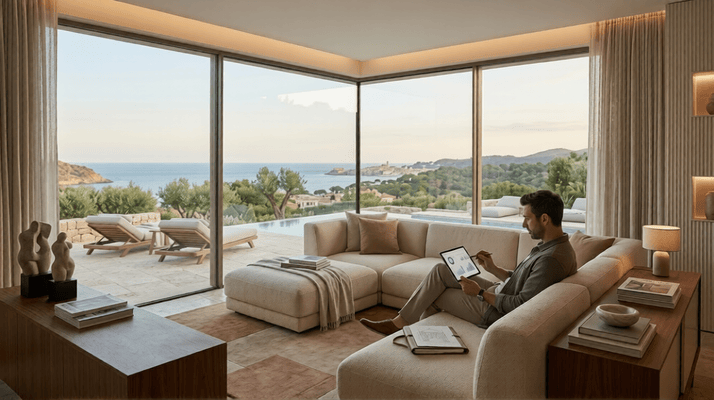
Creating a memorable guest experience in today’s hospitality market requires more than elegant finishes and spacious rooms. Guests expect environments that feel intuitive, comfortable, and emotionally engaging. This is where a thoughtfully planned luxury suite layout becomes essential. By integrating lounge corners into hotel interior design, hotels can transform standard rooms into immersive living spaces that encourage relaxation and longer stays.
For hotel owners across Europe, designing lounge corner suites is not simply a stylistic upgrade—it is a strategic approach to enhancing guest satisfaction, brand perception, and revenue potential. When executed correctly, these spaces become the most inviting part of the room.
Start with Intelligent Space Planning
Every successful luxury suite layout begins with clear spatial planning. A lounge corner should feel distinct yet seamlessly integrated into the overall room. Instead of placing furniture randomly, define zones that guide guest behavior naturally.
Position the lounge area slightly away from the bed to create visual separation. Even in compact rooms, a well-placed seating arrangement can establish a dedicated relaxation zone. This zoning approach strengthens hotel interior design by giving each part of the suite a clear purpose.
European hospitality design often emphasizes fluid layouts, where movement between areas feels effortless. A lounge corner should never disrupt circulation but instead enhance the room’s usability.
Choose the Right Furniture Placement
Furniture selection and placement play a critical role in how guests experience the space. Carefully curated hotel room furnishings can transform an empty corner into a luxurious retreat.
Start with a comfortable seating anchor, such as a lounge chair or compact sofa. Position it at an angle rather than directly facing the bed to create a more intimate setting. Add a small side table or coffee table to improve functionality.
In premium suites, layering different seating options enhances comfort. Combining a main chair with a footrest or secondary seating element adds depth to the luxury suite layout. This approach also aligns with refined luxury hotel decoration, where every piece contributes to both form and function.
Avoid overcrowding. The goal is to create an inviting corner that feels open and breathable rather than cluttered.
Use Lighting to Define the Lounge Experience
Lighting is one of the most powerful tools in hotel interior design. A well-lit lounge corner can instantly change the mood of the entire suite.
Instead of relying solely on overhead lighting, incorporate layered lighting solutions. A floor lamp or a wall-mounted fixture positioned near the seating area creates a warm and intimate atmosphere. Soft, indirect lighting enhances relaxation and distinguishes the lounge zone from other areas.
In luxury settings, lighting should highlight textures and materials. When combined with elegant hotel room furnishings, the right lighting elevates the perception of luxury hotel decoration.
Natural light should also be considered. Placing the lounge corner near a window enhances the experience, offering guests a comfortable space to unwind while enjoying the view.
Enhance Comfort Through Textures and Materials
Comfort is not defined by furniture alone—it is shaped by textures and materials. High-quality fabrics, soft upholstery, and tactile finishes contribute significantly to how guests feel within the space.
In a refined luxury suite layout, materials such as velvet, linen, or premium leather create a sense of warmth and sophistication. Rugs can be used to anchor the lounge area, adding both visual separation and acoustic comfort.
European design trends often favor understated elegance, where materials are carefully selected rather than overly decorative. This approach ensures that luxury hotel decoration feels timeless and inviting.
When selecting hotel room furnishings, durability should remain a priority. Materials must withstand frequent use while maintaining their aesthetic appeal.
Create Clear Zoning Without Physical Barriers
A successful lounge corner suite does not require walls or partitions. Subtle design techniques can create separation while maintaining openness.
Rugs, lighting, and furniture arrangement can define the lounge area without restricting movement. A strategically placed chair and table can signal a transition from sleeping to relaxing zones.
This zoning approach enhances hotel interior design by making the suite feel larger and more functional. Guests appreciate spaces that offer multiple uses without feeling confined.
Boutique hotels often use this technique to create a residential atmosphere, where the room feels more like a private apartment than a traditional hotel suite.
Maintain Cohesive Design Language
Consistency is key in luxury hospitality. The lounge corner should align with the overall design theme of the room.
Colors, materials, and finishes used in the lounge area should complement the rest of the luxury suite layout. When the design language is cohesive, the space feels intentional and refined.
For example, if the room features modern hotel room furnishings, the lounge area should follow the same aesthetic. Similarly, classic interiors should maintain their elegance through coordinated luxury hotel decoration elements.
This harmony strengthens brand identity and enhances the guest experience.
Focus on Emotional Connection
Ultimately, great design goes beyond functionality. The goal is to create a space where guests feel comfortable, relaxed, and inspired.
A well-designed lounge corner encourages guests to slow down, whether they are reading, working, or simply enjoying a quiet moment. This emotional connection is what transforms a hotel stay into a memorable experience.
Hotels that invest in thoughtful hotel interior design and carefully planned luxury suite layout often see stronger guest satisfaction and repeat bookings.
Conclusion
Designing lounge corner suites that guests never want to leave requires a balance of planning, creativity, and attention to detail. From intelligent zoning and strategic furniture placement to layered lighting and premium materials, every element contributes to the overall experience.
By integrating well-curated hotel room furnishings within a cohesive luxury suite layout, hotels can elevate both comfort and visual appeal. Combined with refined luxury hotel decoration, these spaces become defining features that set properties apart in a competitive market.
For hotel owners, investing in thoughtful lounge design is not just about aesthetics—it is about creating lasting impressions that drive guest loyalty and business success.